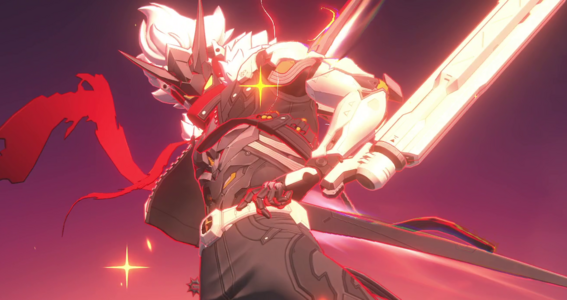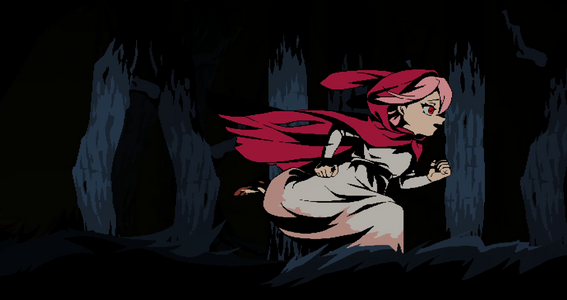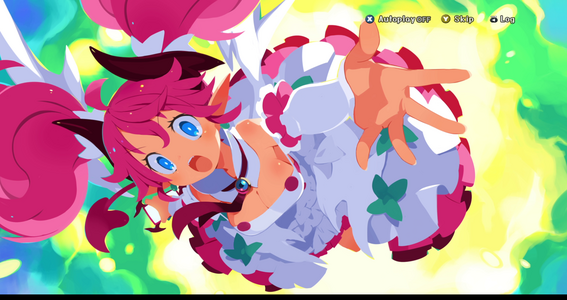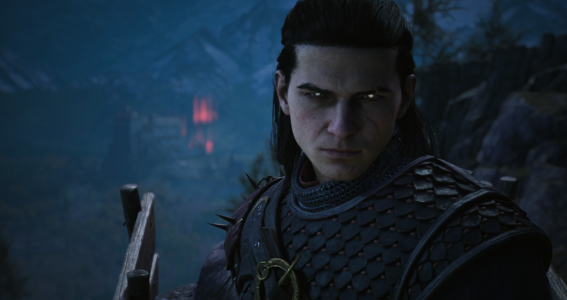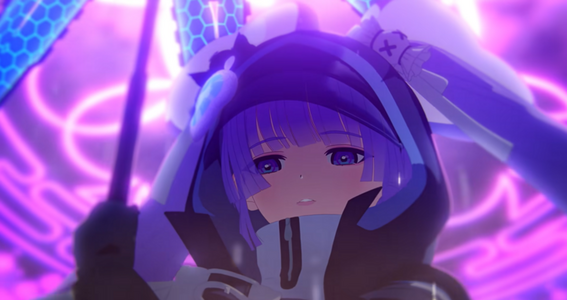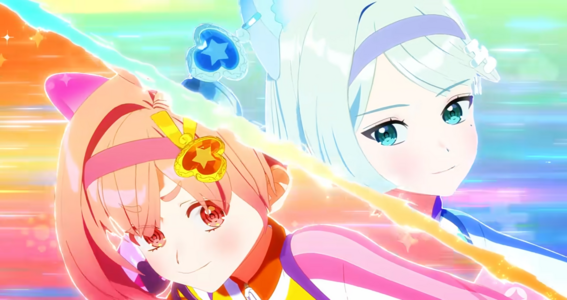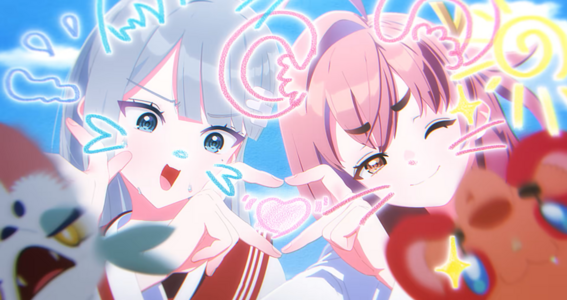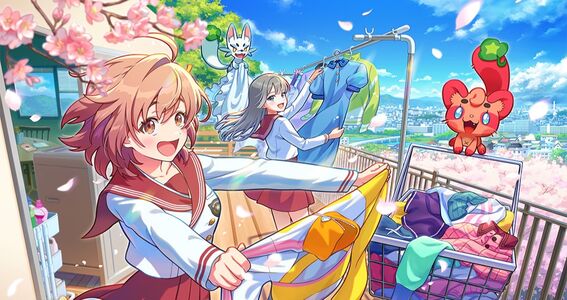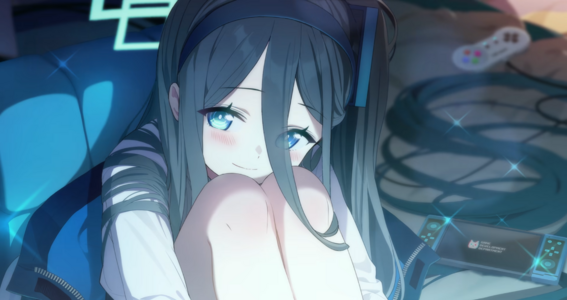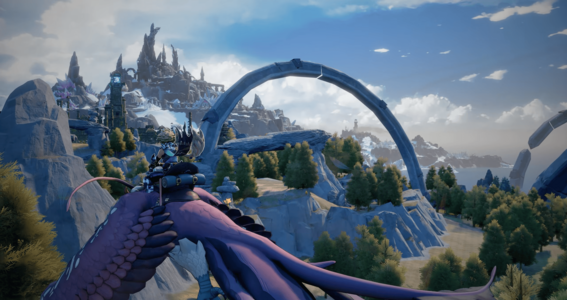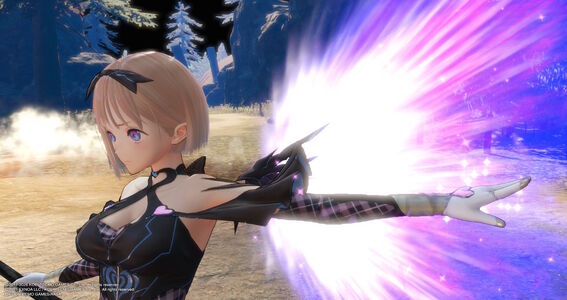



BLUE REFLECTION Quartet is the fully remastered anthology of the franchise, featuring new and improved graphics and ports. Read our review to find out our score, our thoughts about the game, and whether it’s worth buying or not.
Overview
What is BLUE REFLECTION Quartet?
BLUE REFLECTION Quartet is a compilation title of all four BLUE REFLECTION games across mobile, PC, and console. Developed and published by Koei Tecmo, this collection includes BLUE REFLECTION, BLUE REFLECTION Ray, BLUE REFLECTION Sun, and BLUE REFLECTION Second Light.
All games will have improved character models and environmental textures, as well as updated graphics. Moreover, fans can check out the in-game reference book to discover more about the story and characters.
BLUE REFLECTION Quartet features:
⚫︎ Magical Heroines
⚫︎ Slice of Life Combined With Metaphysical Narrative
⚫︎ Turn-Based JRPG Gameplay
⚫︎ Improved HD Textures and Graphics
⚫︎ 4 Titles in 1
⚫︎ Multiple Main Characters
| Digital Storefronts | |||||||
|---|---|---|---|---|---|---|---|
 Steam Steam |
 PS PS |
 Switch Switch |
 Switch 2 Switch 2 |
||||
| $49.99 | |||||||
BLUE REFLECTION Quartet Review: Half-Baked Collection That Fails to Elevate the Series Further
This Underrated Series Deserves More Than This
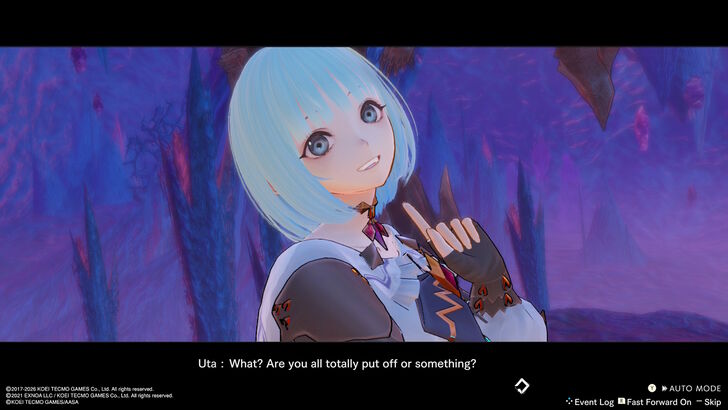
In a world full of JRPGs, both old and new, there are bound to be franchises and titles that are considered underrated. Some titles that come to mind are the SaGa franchise, Valkyria Chronicles, Growlanser, Shining Force, and many, many more. But truthfully speaking, there is one developer that’s made a name for themselves for almost always flying under the radar, and that’s Gust from Koei Tecmo’s RPG division.
If you’ve been around JRPGs and RPGs, especially the niche ones, then you’ve most likely come across them with their famous work, the Atelier series. And if you’ve actually played one of their games, then you would know how "unique" Gust can be when it comes to how they play or present their games. They may have insanely deep narratives, crazy themes, even extremely novel gameplay loops, or, maybe, all of those combined.
Yet, there’s one particular franchise that’s gotten its own cult following that’s actually quite grounded when compared to all of their other titles. And that’s BLUE REFLECTION.
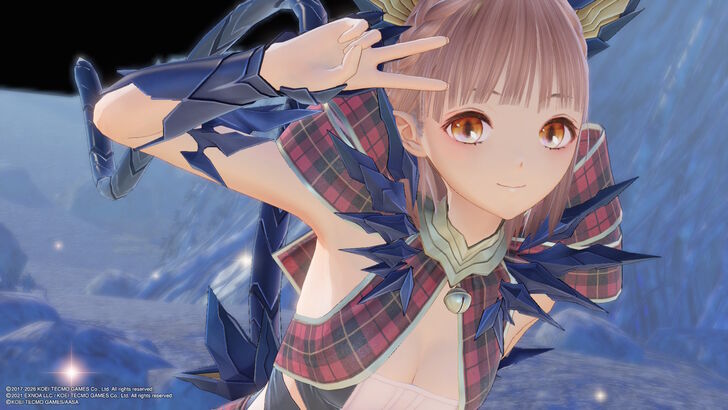
On the surface, it looks nothing special. A basic RPG where you have to balance ordinary school life and explore a metaphysical realm of emotions that threaten the world? Where have I seen that before? But that’s actually what it does best—blending the ordinary life of growing teenagers and the extraordinary fantasy of world-ending threats based on emotions and all of the complexities that come with it.
BLUE REFLECTION Quartet is the complete collection that makes exploring the franchise easier, as it includes all titles under the name in one convenient package. However, truthfully speaking, I believe this series deserves so much more than what’s offered. While I loved exploring the deeper-than-expected rabbit hole in the collection, it was also clear that the series could’ve been so much better narratively and, given how it executed its adaptations and other improvements, that they missed out on elevating the franchise to a broader audience.
Wasted Worldbuilding Because of Inconsistent Writing
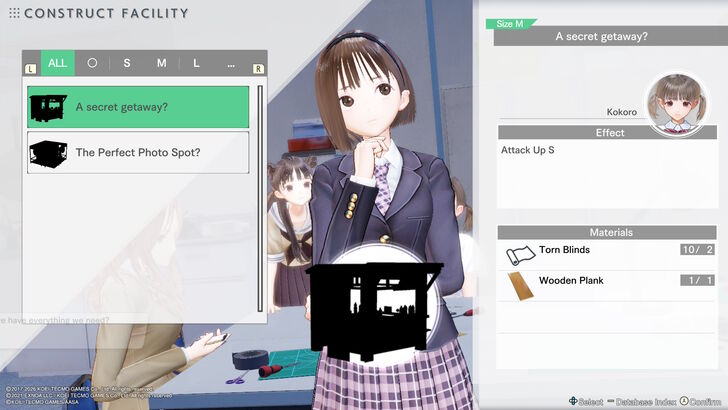
Explaining the entirety of the BLUE REFLECTION franchise in a single section is… complicated. One that I would probably want to avoid talking about entirely, else it’ll take up the whole review. But to understand BLUE REFLECTION, one should learn about several of the game’s concepts and how they are established throughout the series, which in turn helps explain why the series has such wasted potential in its overall worldbuilding.
I’ll try my best to summarize the series as a whole, but keep in mind that its world is built around several parallel timelines and events that span all the games in the collection. All of which start with the end of the first game, BLUE REFLECTION.
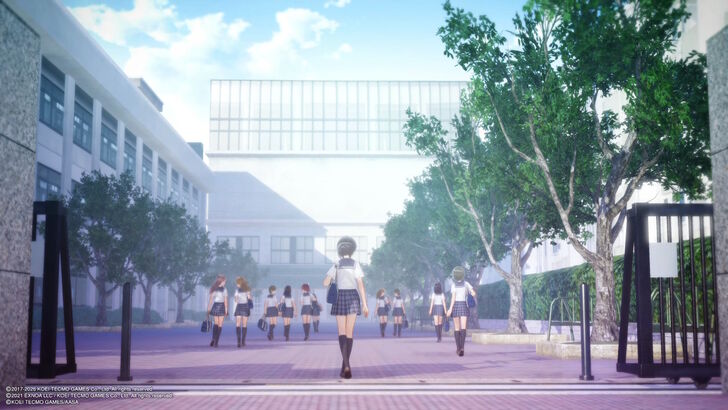
To summarize the first game, its protagonist, Shirai Hinako, gains the power to become a Reflector after meeting the mysterious sisters and fellow Reflectors, Yuzu and Lime Shijo, who live on as Guardians of the Common,
a metaphysical realm of human consciousness. As a Reflector, they are responsible for stabilizing the Fragments (the physical manifestation of emotions and memories) of the people around her, while using them to strengthen herself in the coming battle against the evil forces called the Sephirot.
This leads to the trio’s climactic showdown with the final Sephirot, Daath, who sought to abolish humanity's emotions because it has grown weak due to complex societal structures. Eventually, the trio defeats the god in battle, saving the world from emotional removal and resetting the world's timeline.
However, this event, no matter how noble their intentions were, had ripple effects that led to more problems than it was worth.
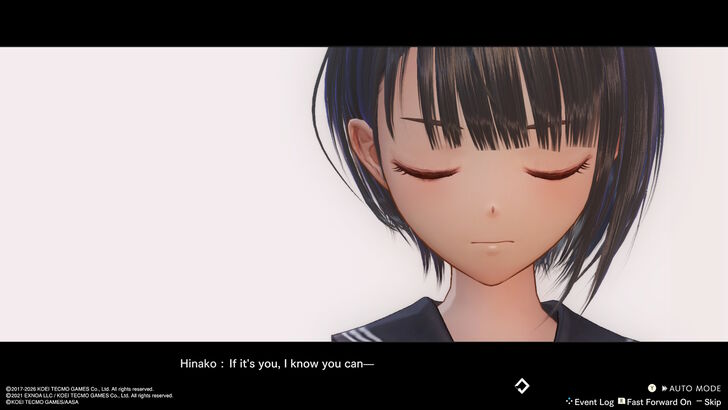
I won’t dwell too much on the problematic writing of the series, especially with how BLUE REFLECTION: Sun and BLUE REFLECTION: Ray attempt to bridge the gap between the two JRPGs. But to sum it all up: the defeat of Daath ends up pushing the world to its apocalypse. This leads the sisters to create a pocket world called the Oasis, which serves as the last bastion of humanity and becomes the central setting of the last game (BLUE REFLECTION: Second Light).
In short, Hinako’s emotional victory and ending, when viewed from the context of the whole series, is the main cause of the problem. Like, what do you mean she develops into a better character and uses the power of friendship to trigger the end of the world?
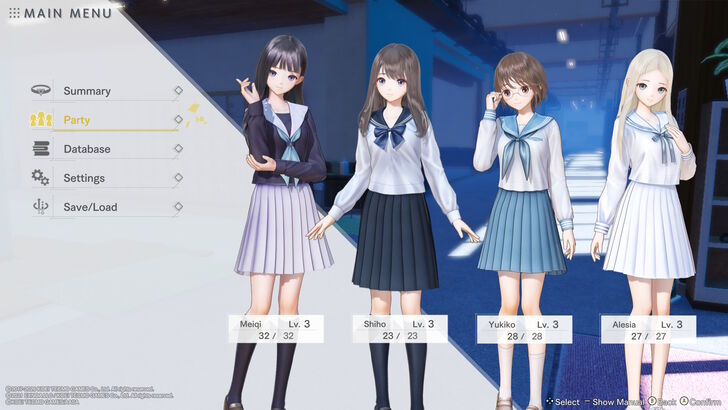
Conversely, Sun and Ray do a good job of explaining the power and relevance of Fragments while also introducing more major, likable characters into the mix.
The problem is that many of these characters, despite being great, either end up missing in Second Light or are nonexistent. BLUE REFLECTION Quartet does alleviate this by adding 8 new playable characters from both Ray and Sun, but they’re only there to be playable and not actually included in the story.
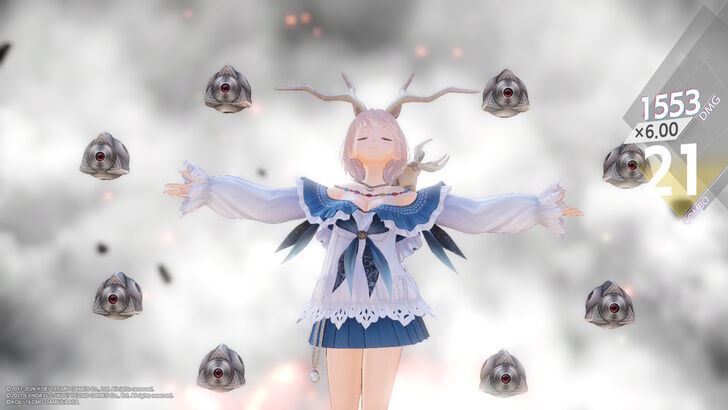
This is compounded in the newly adapted BLUE REFLECTION: Sun, which has so many omissions that it leaves so much context and content out that it's missing half the story it’s supposed to tell. Characters like Ayaka, Yura, and Mai are quite literally chopped liver, and they barely get any relevant screen time, so they might as well not have existed in the first place.
While I don’t necessarily have any problems with how the JRPGs execute their narrative and overall plot (okay, maybe Second Light could’ve at least had a better True Ending), the worldbuilding in the series is what it is: troublesome. Mainly because it leaves behind major characters throughout the series, and many of its plotlines and stories remain unresolved.
It’s unfortunate because sinking into the rabbit hole of the series doesn’t feel as rewarding as it should be, and you start to see all of its flaws that could’ve been avoided if it got the chance to explain itself a bit better.
Extremely Strong Thematic Cohesion in Both Narrative and Gameplay
The BLUE REFLECTION franchise, no matter how complicated its narrative may be, has a central message that holds the series together: the importance of empathy and connection. Both of the JRPGs (BLUE REFLECTION and BLUE REFLECTION: Second Light) use this central theme throughout the series’ narrative and gameplay, often being the force that ties the games together.
Obviously, this may come off as a simple overextension of the "power of friendship," but it’s actually deeper than that.
This is represented in Hinako’s story in BLUE REFLECTION, where she learns to connect with others despite her depression. This runs in parallel with her in-game progression, as her relationships strengthen her by granting access to more skills and additional passive benefits in battle. At the end of it all, Hinako is eventually strong enough to take on a god, where the game subtly tells you that through empathy and human connection, you can move forward with tragedy in life no matter how big or harsh it is.
Similarly in Second Light, all of the characters, most especially the protagonist Ao, only gain Talent Points through finishing character requests and various in-game dates that she has with them. In the same way that Hinako defeats a god in the first game, Ao and the group can literally reset the timeline by defeating a paracausal power called the World System and preventing the destruction of their world.
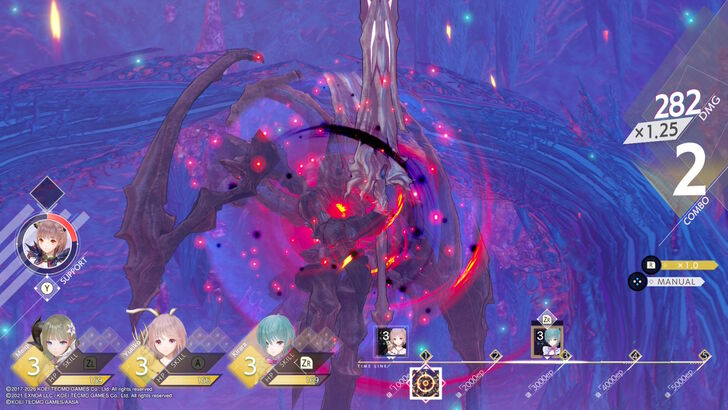
In the sequel’s gameplay, this is most evident in its more active battle system. Think Final Fantasy XIII, but the enemies don’t wait for you, yet you have a bit more control over how to influence enemy actions. The thematic cohesion is still relevant here because you have to utilize the new Combo system that strengthens all of your attacks every time it stacks up, leading you to connect
all of your actions together while strategically balancing how to work around enemy actions and your recovery speed.
In BLUE REFLECTION: Ray and BLUE REFLECTION: Sun, this is emphasized by showcasing the importance and volatility of emotions in its narrative, highlighting the need to have people in your corner to help you unpack, process, and eventually move on from situations no matter how harsh they may be.
While there may be other JRPG titles and games that hold more emotional weight, higher stakes, better executed stories, and even stronger worldbuilding, it’s not often that you see a narrative concept shape a series’ gameplay entirely, one that BLUE REFLECTION and BLUE REFLECTION: Second Light wears on its sleeve.
This is where I found the games most enjoyable, as you can clearly see the development of the story and its many, many characters from both narrative and gameplay perspectives. Despite the cheesy, overly romanticized narrative and dialogue this game may have, it’s undeniable that the central theme of empathy and connection is the driving force behind the series.
Technical Issues and Other Confusing Non-Additions
Now let’s move on to the technical side of things, especially where the collection is measured by its improvements and additions included in the games.
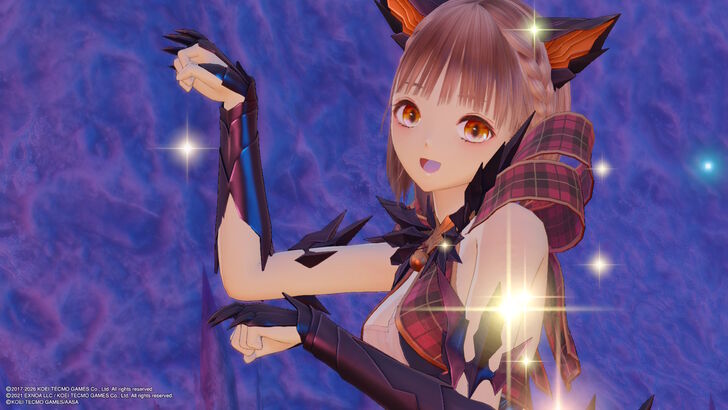
The JRPGs received universal quality-of-life improvements such as Autosave, visual HD upgrades, cutscene fast-forwarding and skipping, and a functional glossary called the Database. However, it’s evident that the first game doesn’t receive as much love as its sequel, which added 8 new playable characters, a better Photo Mode, options to increase battle speed, and even options to move faster overall.
It’s weird that they didn’t include some of these things, especially the faster movement speeds, since the first game is a more traditional JRPG in how you explore the Common than the sequel. Aside from that, the collection’s performance isn’t as good as it should be. The game is advertised to run at 30 FPS, and while that’s disappointing enough, it struggles to do so in many scenarios, most of which occur during cutscenes. This is also odd, considering the game can run at over 30 FPS while navigating its menus.
Disappointing Adaptations That Could’ve Been Better
This brings us to the biggest problems in BLUE REFLECTION: Quartet, which are the adaptations of BLUE REFLECTION: Ray and BLUE REFLECTION: Sun. Now, when I say that a remaster or repackage of a game is the bare minimum, this might be the new example I use.
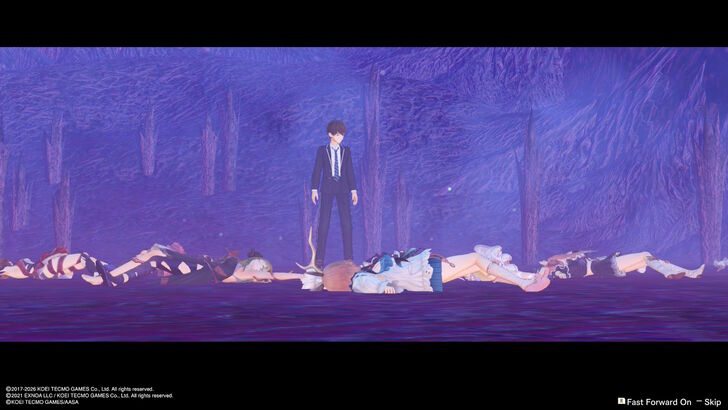
BLUE REFLECTION: Ray repackages the anime into a fraction of the exploration that you do in the first game, while telling the entirety of its story through stills and really short cutscenes. They might as well have made a visual novel to retell the anime's story, but even then, it would be much worse than what they actually came up with in Quartet.
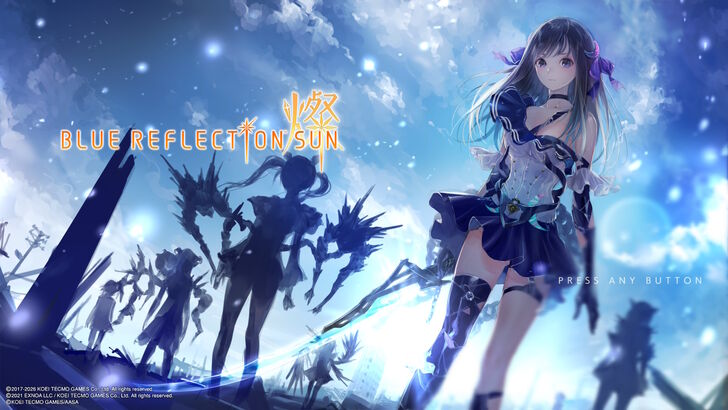
BLUE REFLECTION: Sun, on the other hand, turns the mobile gacha game into a linear playable experience, taking the active battle system from BLUE REFLECTION: Second Light. The problem here is that this is a very shallow adaptation where you’re mostly just going through cutscenes and fighting extremely easy battles that lack so much more context.
This is because they didn’t expand everything that the gacha has, only the important battles and scenes from the mobile game. This was a very questionable decision, especially when it’s advertised as a rebrand of a full console game, where in reality it only lasts for about 4-5 hours of gameplay in total.
This is extremely regrettable and unfortunate because this collection could easily have propelled the series to greater heights, or at the very least, to a larger audience than staying a niche JRPG would have. Not that there’s anything wrong with being a niche, but it’s clear this could’ve been so much better if only they'd executed it right.
Is BLUE REFLECTION Quartet Worth It?
Wait For a Sale Instead
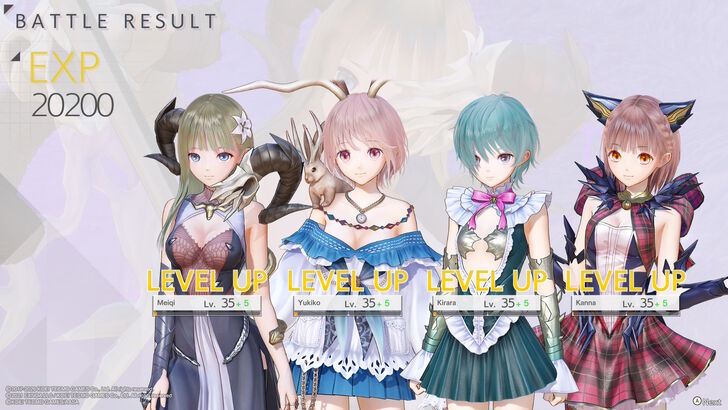
For $49.99, BLUE REFLECTION Quartet is a collection that offers only half of what it should. Even with the amazing audio design carrying the entire collection, the package is, unfortunately, more of a what-if than a what-is. While the JRPGs in the bundle did get noticeable facelifts and improvements, the adaptations of both the anime and the gacha game are forgettable and might as well be moving cutscenes, given how they’re executed.
One can argue that the collection does succeed in becoming convenient for those who want to get into the series, and I’d be inclined to agree. But the convenience does not outweigh the fact that the new adaptations are simply bad in and of themselves. I would recommend waiting for a sale instead, as the JRPGs in the collection are still games I would recommend to those looking for a niche JRPG experience.
Game8 Reviews