



Overview
What is ALLfiring?
ALLfiring is a free-to-play side-scrolling action RPG gacha game set on the continent of Theseus, where players take on the role of the Fire Keeper, an amnesiac protagonist investigating the growing threat of monstrous Shadow Beasts and mysterious dimensional anomalies known as Rifts alongside researchers from the organization Aethelgard. The game blends fast-paced team-based combat with exploration across voxel-based environments filled with hidden routes, platforming sections, and environmental puzzles, while its progression systems revolve around the familiar structure of character collection, equipment upgrades, and long-term account growth commonly seen in modern gacha games.
ALLfiring features:
⚫︎ Fast-paced side-scrolling combat
⚫︎ Team-based character swapping
⚫︎ Voxel-based environments
⚫︎ Platforming and exploration
⚫︎ Environmental puzzles
⚫︎ Live2D character artwork
⚫︎ Stylized chibi art direction
⚫︎ Character progression systems
⚫︎ Gacha summoning mechanics
⚫︎ Story-driven worldbuilding
| Digital Storefronts | |||
|---|---|---|---|
 Google Play Google Play |
 App Store App Store |
||
| Free-to-Play | |||
ALLfiring Review: More Than What It Seems
An Identity Beneath the Imitation
Another day, another gacha game release. The genre has become so saturated that nearly every new title now feels like a collage of familiar mechanics, UI systems, and progression structures borrowed from the industry’s biggest successes like Zenless Zone Zero and Wuthering Waves. Whether it’s character swapping from one game, gear systems from another, or yet another variation of the now-standard 50/50 banner formula, modern gachas rarely try to reinvent the wheel anymore.
ALLfiring is no exception. At first glance, it feels like a beautiful Frankenstein’s monster stitched together from ideas popularized by larger and more mainstream games. Yet despite how recognizable many of its systems are, the game still manages to carve out an identity of its own through its atmospheric presentation, layered exploration, and surprisingly active combat. Not every borrowed idea lands perfectly, but as a whole, ALLfiring feels far more cohesive than its generic exterior initially suggests. The further I progressed into its launch content, the more the game consistently surprised me with how much mechanical and environmental depth it quietly hides beneath its deceptively simple presentation.
That also means ALLfiring will likely appeal to a very specific kind of player. Those searching for the next massive cinematic gacha blockbuster may find its presentation and storytelling comparatively modest, especially with its fully unvoiced narrative and familiar progression structure. Players willing to engage with its mechanically dense combat, exploration-heavy world design, and slower worldbuilding, however, may discover a game that proves far more engaging than its first impression initially lets on.
Been There, Back at it Again
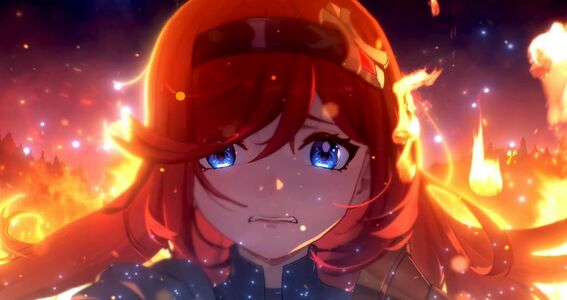
ALLfiring opens with the protagonist being dragged unconscious across a frozen wasteland by a mysterious blonde girl, presumably after losing a fight against her. Just as she prepares to finally kill us off, however, a burning feather suddenly enters the protagonist’s body, causing her to stop midway through the execution. After briefly commenting that “a faint glimmer” still remains, she instead decides to help us one last time “as agreed,” encasing the protagonist inside an egg-like structure that eventually becomes buried beneath the frozen landscape as countless years pass.
The protagonist later awakens after being discovered by two researchers from Aethelgard, an institution dedicated to studying the monstrous Shadow Beasts and dimensional anomalies known as Rifts. From there, the story follows the now-amnesiac protagonist as they travel alongside the researchers while gradually uncovering the growing threat posed by the Shadow Beasts and the corruption they leave behind.
The setup itself is fairly straightforward, especially with the now-familiar amnesiac protagonist trope that’s become a staple in modern gacha games, but I do appreciate that the story doesn’t immediately try to escalate into some grand world-ending conflict far beyond the cast’s understanding. Early on, much of the narrative revolves around investigating monster outbreaks, strange Rift activity, and mounting political tension surrounding Hain City after Shadow Beasts begin appearing in places they normally should not. It’s a smaller-scale opening, but one that does a decent enough job establishing the world and its current problems without immediately drowning the player in lore dumps.
While the story’s larger twists are fairly easy to predict, the journey leading up to them ended up being far more engaging than I initially expected. Much of that comes from how well ALLfiring fleshes out Niflheim itself, from the people struggling to survive within its frozen landscape to the smaller personal stories surrounding loss, grief, and the ways different characters cope with the region's stagnation. Several side stories also do a good job reinforcing just how heavily ordinary people have been affected by the spread of Shadow Beasts and the corruption surrounding the Rifts.
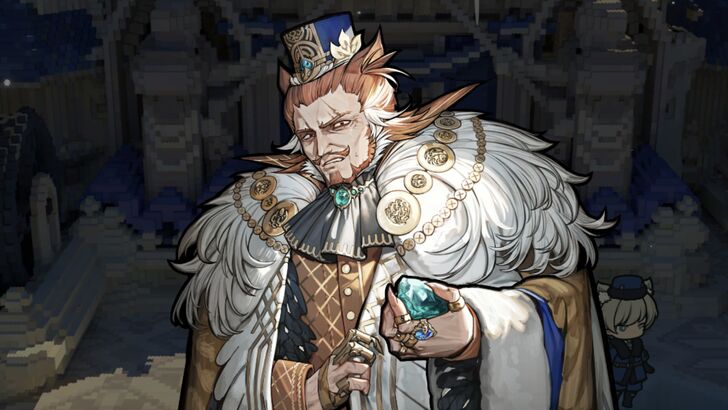
The story’s biggest weakness so far is that it really is not subtle. Certain characters are introduced with such blatantly suspicious behavior that it becomes difficult not to immediately assume where the plot is heading long before the story itself catches up. Combined with the game’s fully unvoiced presentation, several dialogue-heavy scenes can occasionally feel longer than necessary, especially when conversations linger on information the player has likely already pieced together.
Even so, ALLfiring’s launch story ended up leaving a stronger impression on me than I initially expected. While its opening chapters do little to reinvent the genre narratively, the game’s worldbuilding, political tension, and the smaller personal stories scattered throughout Niflheim give the setting enough personality to stay engaging throughout its first major arc.
Small World, Big Personality
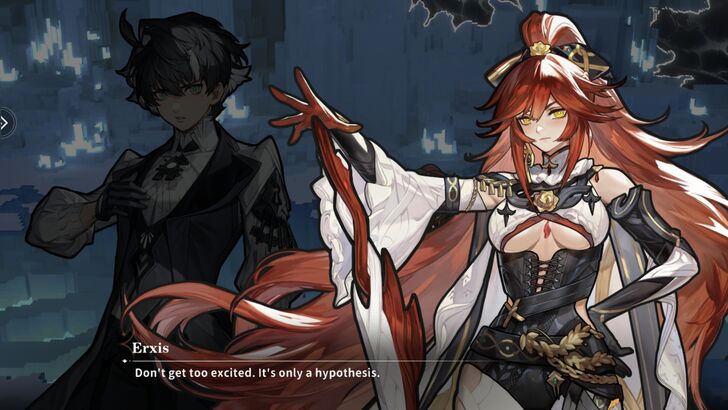
One of the most important aspects of any gacha game is its presentation. In ALLfiring, gameplay largely revolves around moving through side-scrolling environments, engaging in real-time combat encounters, and swapping between Companions while exploring voxel-based areas. Before players get fully invested in the combat, progression systems, or story, the art direction is usually what determines whether they stick around at all. Thankfully, this is one area where ALLfiring immediately stands out.
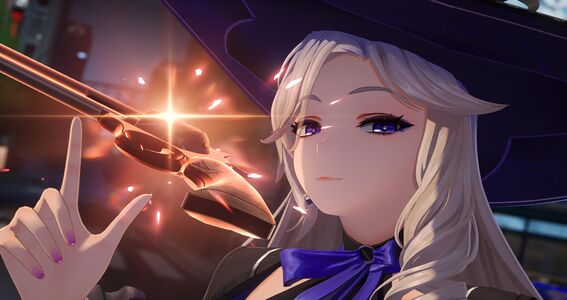
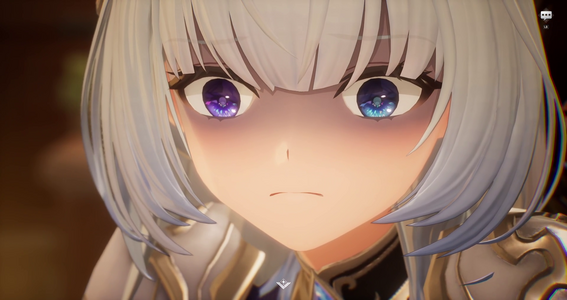
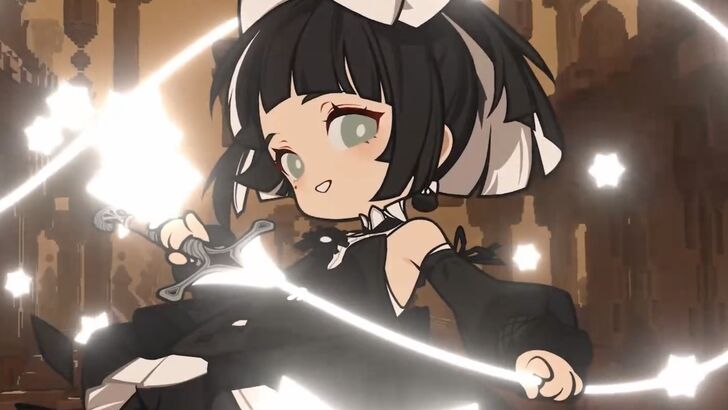
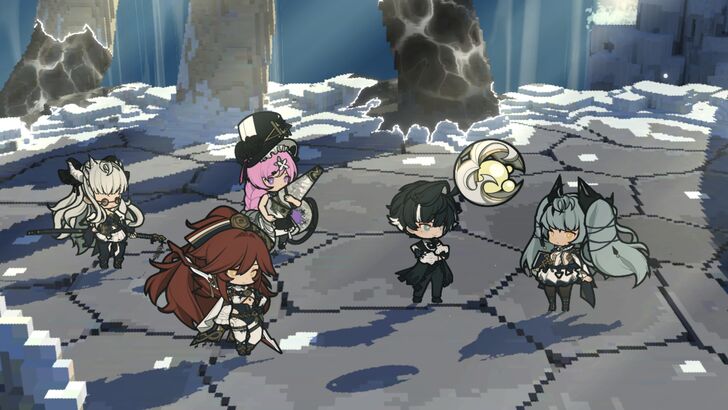
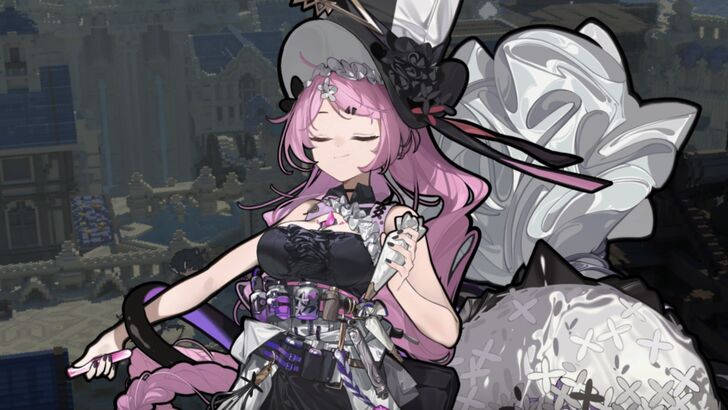
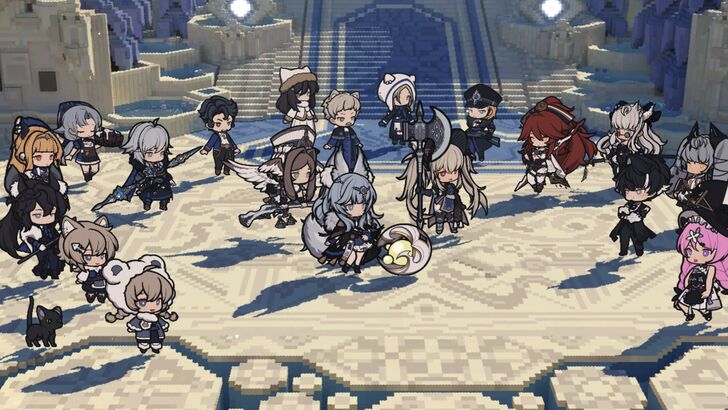
At launch, the game features 14 playable characters, each presented through both Live2D illustrations and simplified chibi forms used during gameplay and exploration. Translating detailed 2D character art into smaller in-game models without sacrificing readability can be difficult, but ALLfiring handles the transition surprisingly well. Despite their simplified proportions, the chibi models still retain enough visual detail and personality to remain instantly recognizable even during the more chaotic combat encounters.
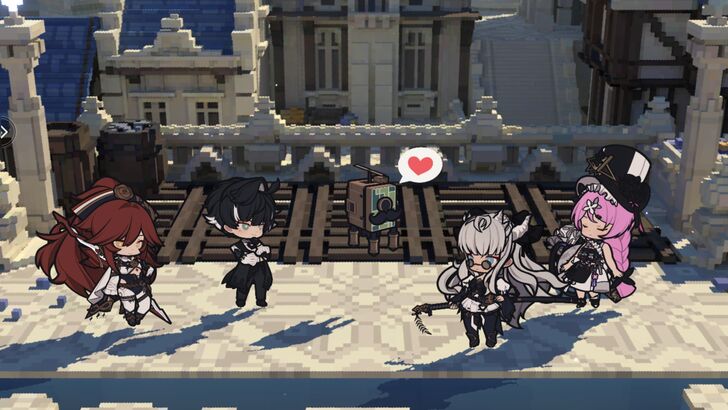
A lot of this comes down to the game’s art direction. Both the character illustrations and in-game models are outlined with thick black borders that help them stand out against the world’s softer, muted color palette. The contrast gives characters a much stronger visual presence without making the screen feel overly cluttered, especially once combat effects start filling the battlefield.
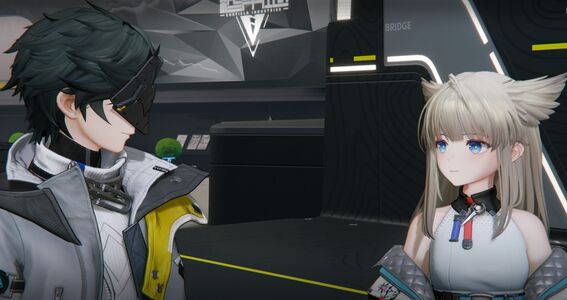
The world itself also deserves credit. While the characters lean heavily into exaggerated chibi proportions, the environments take a completely different approach through their voxel-based visuals. Buildings, props, and environmental details feel surprisingly dense and lived-in despite the game’s relatively small scale. More importantly, the game does a good job distinguishing interactable objects from background clutter, whether through subtle visual effects or environmental placement.
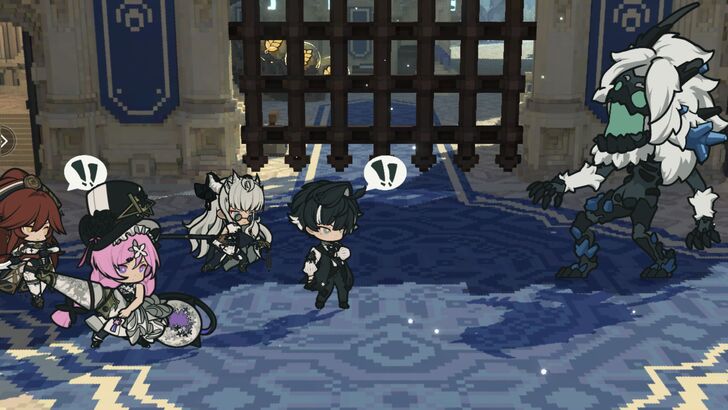
At one point, I completely ignored what I thought was just some random circular prop in the city, only for it to later open into a sewer passage during a chase sequence. That entire section honestly made me realize just how much of the environment the game actually lets you interact with, especially during exploration segments where rooftops, statues, and background structures turn out to be actual traversal paths instead of set dressing.
Unfortunately, the audio side of ALLfiring is less impressive. The main story is entirely unvoiced, leaving long dialogue scenes to rely almost entirely on text and Live2D animations to carry emotional moments. Characters do speak during combat, but most of their lines are limited to grunts and short exertion sounds rather than memorable voice clips or distinct combat dialogue. As a result, many characters feel less expressive in battle than their visual designs initially suggest.
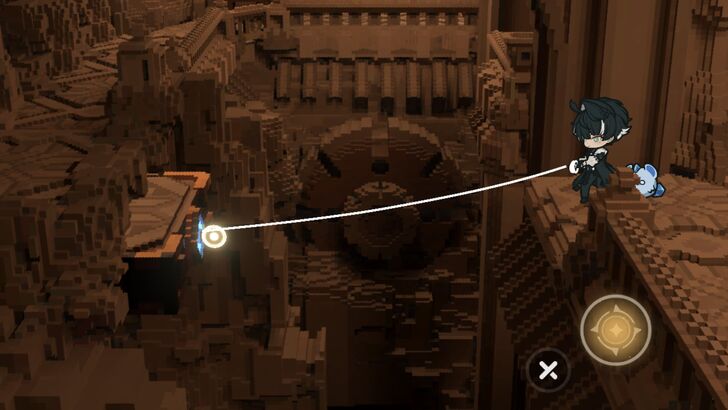
The soundtrack also falls into a similar category. While the music fits the atmosphere of each area well enough, very little of it stands out as particularly memorable. It does its job well enough setting the mood for towns, combat, and story scenes, but I rarely found myself stopping just to listen to the music itself.
Even so, ALLfiring’s visual presentation remains one of its strongest qualities. Between its cohesive art direction, charming voxel environments, and strong character readability, the game leaves a much stronger first impression visually than its relatively modest production values might initially suggest. Though, if future updates are going to keep expanding the roster, I do hope the developers eventually add more male characters into the mix. As it currently stands, only one of the game’s fourteen launch characters is male unless players choose the male protagonist themselves.
A Chibi Game With Hands
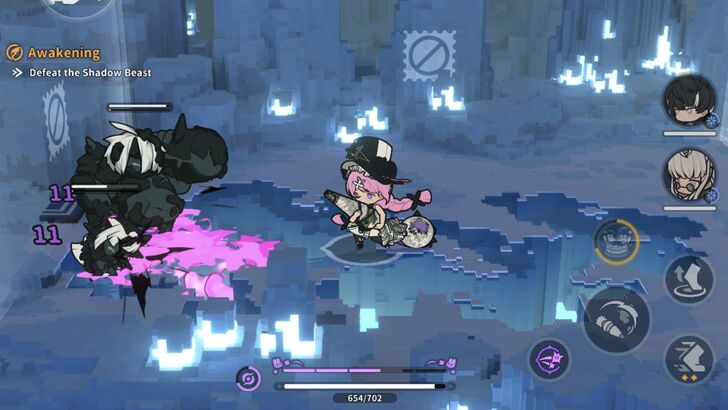
ALLfiring’s combat is significantly more complex than I initially gave it credit for. At a glance, the UI makes things seem deceptively simple: a basic attack, a skill, a jump button, a dodge with two charges, and an ultimate ability. Naturally, I assumed combat would mostly revolve around dodging attacks and mashing the basic attack button between cooldowns. The longer I played, however, the more the game kept proving me wrong.
Each Companion comes with their own attack strings, mechanics, and ways of interacting with combat resources. Holding the basic attack button triggers unique heavy attacks that differ between characters. The protagonist, for instance, unleashes a simple area-of-effect strike, while Herfwin spins in place for several seconds to damage nearby enemies before transitioning into sustained ranged attacks that gradually heal her while firing.
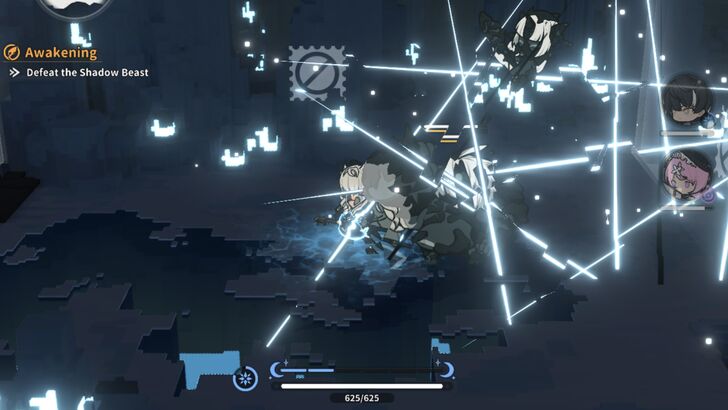
What makes the combat more interesting is how differently each character utilizes their resource gauge. These meters fill gradually while attacking enemies, but their functions vary depending on who is currently on-field. The protagonist consumes theirs to strengthen heavy attacks, while Herfwin expends hers to continuously fire projectiles that push enemies backward while keeping herself alive through sustained healing.
Combat flow becomes even more active once Chain Assists and Break mechanics enter the picture. Successfully attacking enemies fills a separate gauge that allows players to swap characters mid-combo while granting buffs to the incoming unit. Enemies can also be stunned into a Break state, leaving them vulnerable to extended team rotations before ending the sequence with a Finisher attack. Combined with aerial attacks, dodge counters, enemy juggling, and later traversal tools that gradually open up movement options during exploration, combat quickly becomes far more mechanically active than the game’s chibi presentation initially suggests.
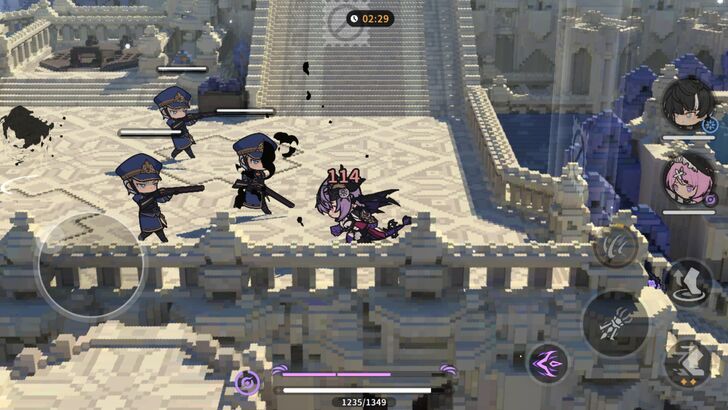
Despite how satisfying the combat flow can feel, ALLfiring does stumble in one noticeable area: targeting. The game lacks any proper lock-on system, which occasionally causes attacks and combo strings to fly past enemies entirely. While this is less of an issue against larger groups, it becomes much more noticeable during smaller encounters where a mistimed combo can easily send attacks into empty space and waste resources for no real reason.
Comfortably Familiar
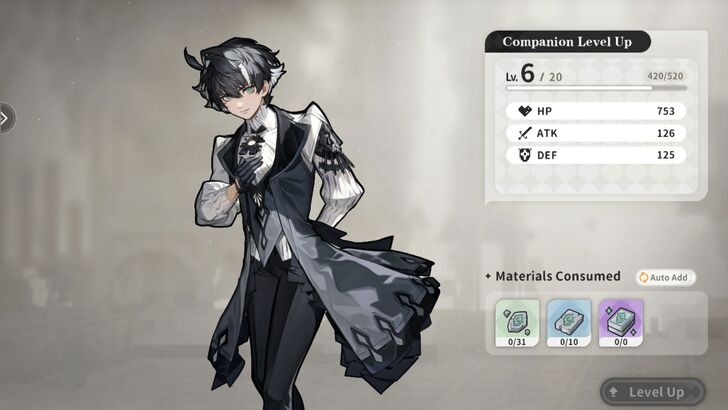
Like most modern gacha games, ALLfiring is packed with overlapping progression systems, currencies, upgrade materials, login events, and monetization layers that gradually unlock over time. Yet despite how intimidating the sheer number of menus initially appears, the game organizes most of its systems cleanly enough that navigating them rarely becomes frustrating.
Character progression follows a structure that will feel immediately recognizable to most gacha players. For the most part, obtaining a single copy of a Companion is enough to make them functional, while duplicate copies are primarily used for additional passive upgrades through a system called Engraving. Companions can be Engraved up to six times, with each upgrade gradually revealing more of the character’s hidden artwork in the process.
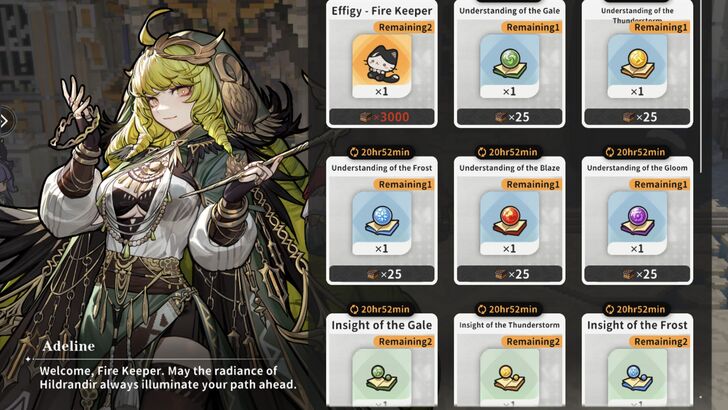
Progression itself revolves around the usual cycle of leveling characters, farming upgrade materials through Heat-consuming activities, and strengthening skills through individual upgrade trees. Familiars, which function as equippable weapons, can also be upgraded separately and strengthened further through duplicate copies using a parallel system known as Resonance.
The game’s UI also does a decent job organizing its growing number of systems. Most menus are centralized through a quick-access hub that allows players to rapidly navigate between quests, progression systems, events, shops, and inventory management without excessive menu layering. While there are still some rough edges, particularly with overlapping text in certain settings menus, oddly organized Codex functions, and inconsistencies in how character information is displayed, the interface generally remains readable enough that unlocking new mechanics rarely becomes frustrating on its own. For example, character classes are visible in some menus but absent from banner previews, which makes checking unit roles more inconvenient than it probably should be.
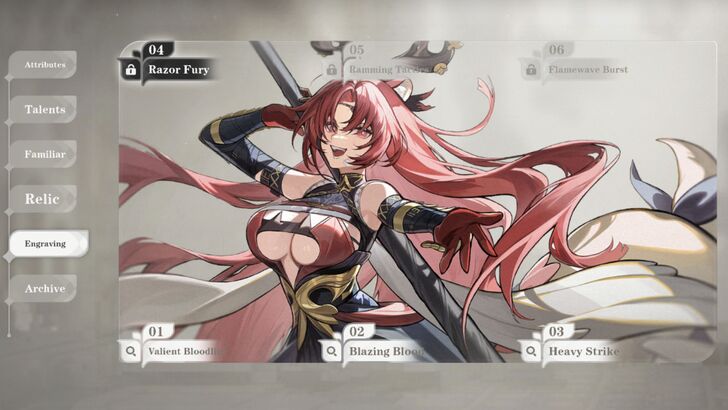
That familiarity may also work against newer players, however, especially those unfamiliar with how modern gachas tend to structure their menus, currencies, and upgrade systems. Core systems like combat, leveling, equipping Familiars, and the gacha itself are introduced naturally through the story, but several secondary mechanics are only explained once players begin exploring menus on their own. As a result, some newer players may end up discovering entire systems long before fully understanding what they actually do. Ember Legacy, for example, is introduced rather abruptly after a story quest, but the game does very little to explain that it is actually the primary stage for farming Relics.
None of these systems particularly reinvent the genre’s formula, but they are implemented cleanly enough that veteran gacha players will likely settle into ALLfiring’s progression loop almost immediately. Players already familiar with modern gachas will probably understand what most menus and currencies are for at a glance, while newer players may simply need more time adjusting to how many interconnected systems the game gradually throws at them.
Nothing New Under the Banner
If you’ve played even a handful of modern gacha games over the past few years, ALLfiring’s “Boardgame” system will feel immediately recognizable. Like most gachas, the game separates its rotating limited banners from its permanent standard pool, each with their own currencies, exchange systems, and progression mechanics.
Limited banners operate on a familiar 50/50 structure, though ALLfiring does soften the blow a bit through Fated Emblems, an exchange currency earned exclusively through limited banner pulls. Players can eventually exchange these directly for the featured 6-star character after 80 pulls at worst, which makes the system feel noticeably less punishing than banners that rely entirely on raw luck. Like most gachas, there is also a guaranteed 5-star Companion every 10 pulls.
Thankfully, ALLfiring does not immediately feel overly dependent on duplicate pulls. A single copy of a Companion appears functional enough early on, while additional duplicates mainly serve as long-term upgrades through the Engraving system, which basically acts as the game’s character uncap mechanic. Familiars, which function as the game’s weapon system, follow a similar duplicate-based upgrade structure through Resonance.
There are still some small usability issues surrounding the banner systems themselves, however. Character previews on banners, for example, do not display a unit’s class despite that information being available elsewhere in the game, which makes quickly evaluating characters slightly more inconvenient than it probably should be. It is a relatively minor issue overall, but one that stood out more the longer I spent navigating the game’s menus.
Unsurprisingly, the game also includes the now-standard collection of monetization layers expected from the genre, including battle passes, monthly subscriptions, premium currency packs, limited-time bundles, and multiple exchange shops tied to their own dedicated currencies.
At the moment, ALLfiring’s gacha systems feel less like an attempt to reinvent the genre and more like a straightforward compilation of structures that have already proven successful elsewhere. Whether that familiarity feels comforting or uninspired will likely depend on how invested players already are in the genre itself. It is still far too early to determine how demanding the game’s long-term currency economy will become, or whether future characters will feel heavily reliant on Engravings to remain competitive. For now, however, the game’s summoning systems feel functional enough, with monetization that, while familiar, does not immediately feel overly aggressive.
Is ALLfiring Worth It?
A Promising Spark
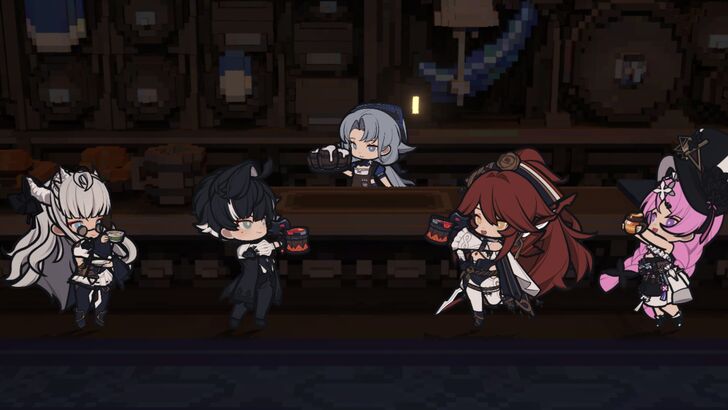
ALLfiring is the latest gacha game to enter an increasingly crowded genre, and while it does stumble in a few key areas, it still manages to leave a surprisingly strong first impression. Its story can be fairly predictable at times, and the lack of voice acting makes several dialogue-heavy scenes harder to stay invested in than they probably should be. Even so, after finishing the game’s current launch story, I found myself more invested in its world than I initially expected. The larger plot twists rarely caught me off guard, but the journey toward them consistently did. Between the political tensions surrounding Hain City, the growing Rift incidents across Niflheim, and the smaller side stories showing how ordinary people are coping with loss and corruption, the world becomes easier to care about the longer you spend in it.
Where ALLfiring truly shines is through its presentation and gameplay. The game’s distinct art direction gives both its characters and voxel environments a strong visual identity, while the combat system steadily reveals more mechanical depth the longer you engage with it. What initially appears to be a simple side-scrolling action gacha gradually opens into a surprisingly active combat loop filled with character synergy, dodge counters, resource management, and increasingly satisfying team rotations.
Exploration also ends up being more engaging than expected. What first seems like fairly straightforward traversal gradually opens up through environmental interactions, hidden pathways, rooftop platforming, and traversal tools like the grappling hook. None of these mechanics are especially revolutionary on their own, but together they make the world feel more interactive than its initial presentation suggests.
Ultimately, ALLfiring doesn’t try to reinvent the genre, and most of its systems will feel familiar to veteran gacha players. However, for players looking for a mechanically engaging action RPG with strong presentation and a steadily improving sense of depth, it’s an easy recommendation. It may not immediately stand alongside the genre’s biggest names, but beneath its rough edges is a game with enough charm and confidence to be worth spending time with.
FAQ
Is ALLfiring available on PC?
ALLfiring is not available on PC, and GENMUGAMES has not revealed any plans to bring the title to other platforms.
Game8 Reviews