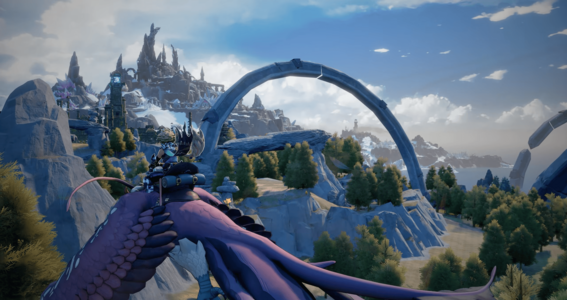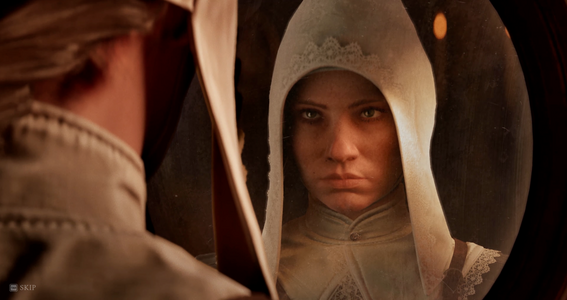




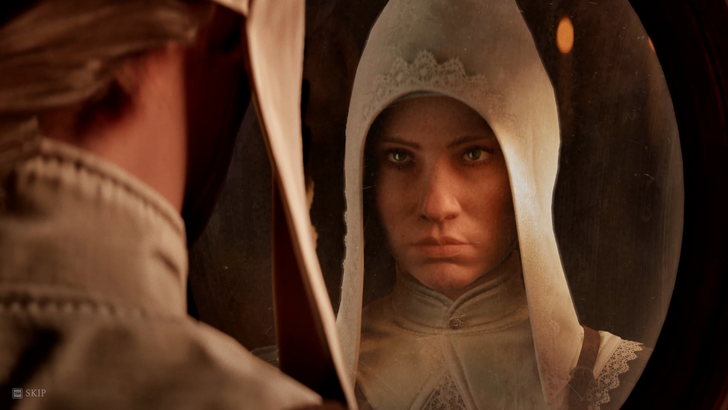
| 1666: Amsterdam | |||
|---|---|---|---|
| Release Date | Early Access Review | ||
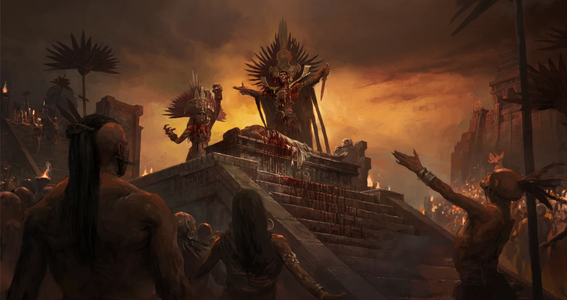
1666: Amsterdam is a dark fantasy action-adventure game where players will explore 17th-century Amsterdam to collect debts from demonic entities. Learn more about the game’s plot, gameplay, release date, our early access review, and more.
Everything We Know About 1666: Amsterdam
1666: Amsterdam Plot
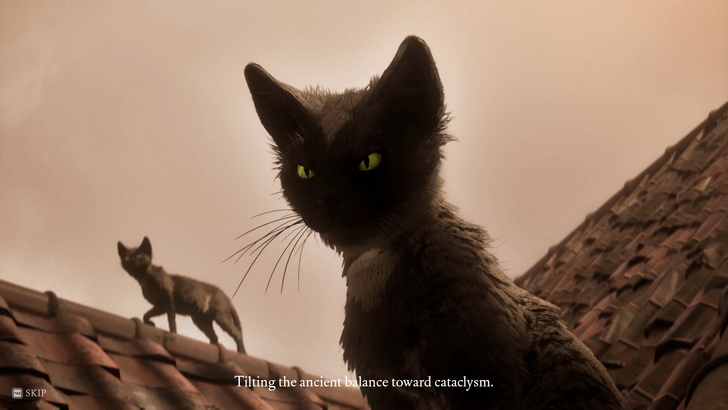
Entities known as The Originals have lived for centuries, shaping the city of Amsterdam through a contract that grants them both power and time. But now that contract is up. Noa Brooklyn must now fulfill her duties as The Collector by taking what is owed through the power of witchcraft in a time when sorcery was condemnable by death. However, she is not alone, as she is accompanied by her Union Cat, Aaron, who sees the world through the eyes of a cat.
1666: Amsterdam Gameplay
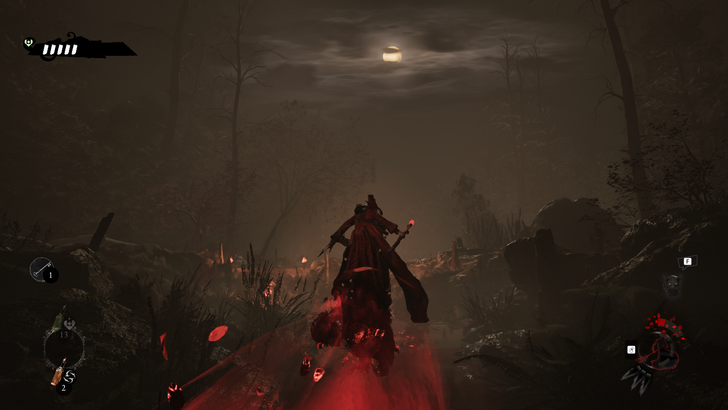
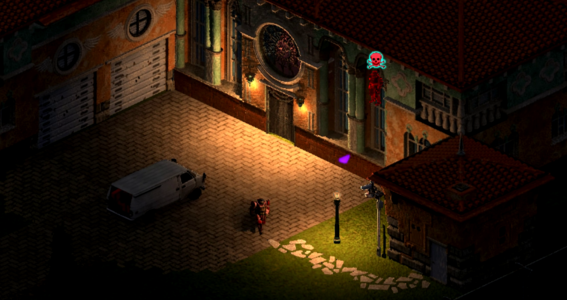
1666 Amsterdam is an action-adventure game where players take control of both Noa, as The Collector, and her helpful feline partner, Aaron. The game combines classic action-adventure gameplay, puzzle-solving, and investigation. Players are tasked with exploring the city of Amsterdam in 1666, seeking specific targets called the Originals who inhabit characters during the day and eventually fighting them at nightfall.
As Noa, players gather information by talking to various NPCs, doing old-fashioned sleuthing, and exploring. In contrast, Aaron’s feline form allows players to reach hard-to-reach places and even possess other NPCs to access restricted areas. After collecting all the necessary information and items, players will be able to fight against their targets in a climactic boss fight.
1666: Amsterdam Release Date
Released in Early Access on August 25, 2026
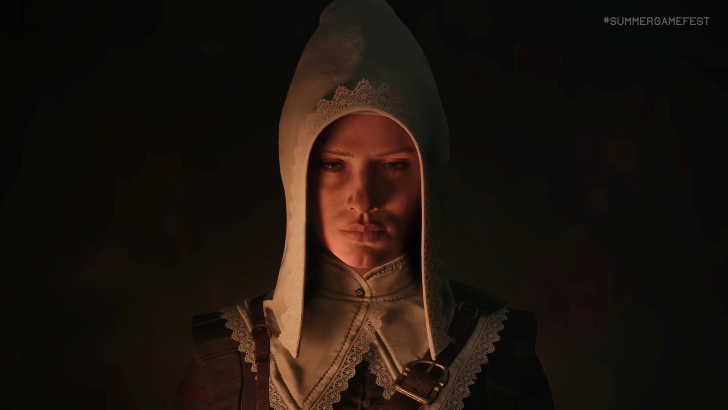
1666: Amsterdam was released in Early Access on August 25, 2026, for PC via Steam and the Epic Games Store. A demo for its prologue is currently available on all digital storefronts. We’ll be sure to update this article when information comes out!
| Digital Storefronts | |||||
|---|---|---|---|---|---|
 Steam Steam |
 Epic Games Epic Games |
||||
| $29.99 Early Access |
|||||
1666: Amsterdam Review (Early Access)
Nostalgia Masked With a Rough Facade
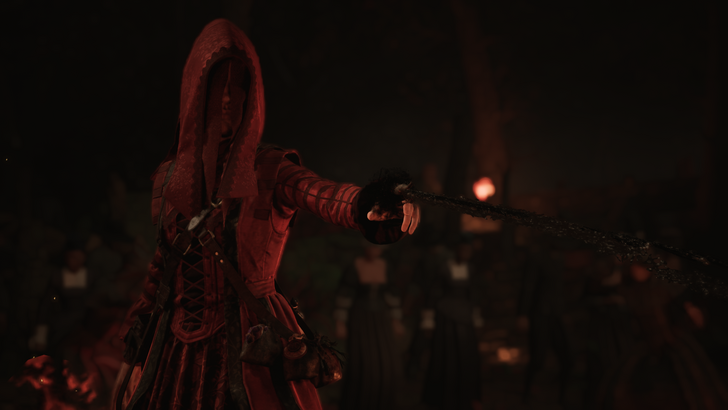
If you’ve heard about 1666: Amsterdam, then you know that it’s been through a lot, especially with how long it's been in limbo. For the uninitiated, the game is being directed by Patrice Désilets, more commonly known as the creator behind the iconic Assassin’s series, who’s had to fight for this IP for a long time. And while it’s great that the IP finally gets its time to shine, it’s still an unfinished product.
1666: Amsterdam is an action-adventure game that is unabashedly in Early Access, where its flaws are portrayed in its periodic narrative updates, problematic progression mechanics, and lackluster combat. Much of the game is clearly inspired by the creator’s past ventures, and while it's definitely nostalgic, it has a few wrinkles in execution that need to be polished. In contrast, however, its striking art direction and strong worldbuilding have the potential to make for a memorable narrative-focused game worth talking about.
But, as with most Early Access titles, it will take time. In the case of 1666: Amsterdam, it might take a bit longer than expected.
A Bewitching Dark Fantasy That Doesn’t Fall Far From the Tree
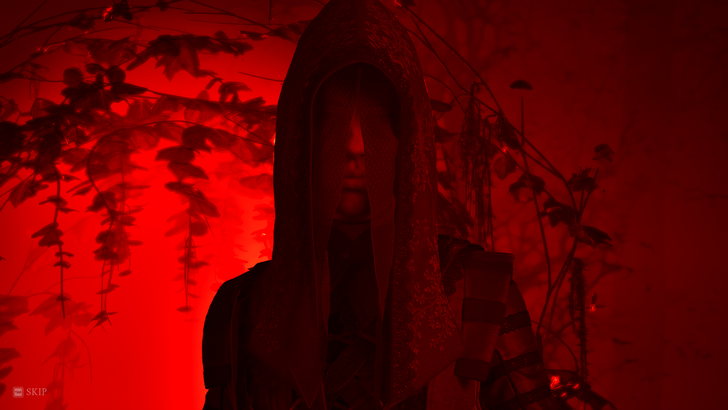
1666: Amsterdam follows the tale of a witch named Noa Brooklyn who is tasked with hunting down demonic entities called The Originals hiding among the people of 17th-century Amsterdam. These entities were granted supernatural powers and longevity through contracts and now owe a debt that Noa must collect. However, not all is as simple as it seems, as the game slowly reveals that this mystery extends beyond the titular year of 1666.
To help her on her journey is Aaron, a history professor from 1999 whose consciousness becomes trapped in a cat's body after certain events unfold during his time. Together, they work to reclaim what is owed from The Originals and unravel the mystery of the cycle that lies beyond their understanding.
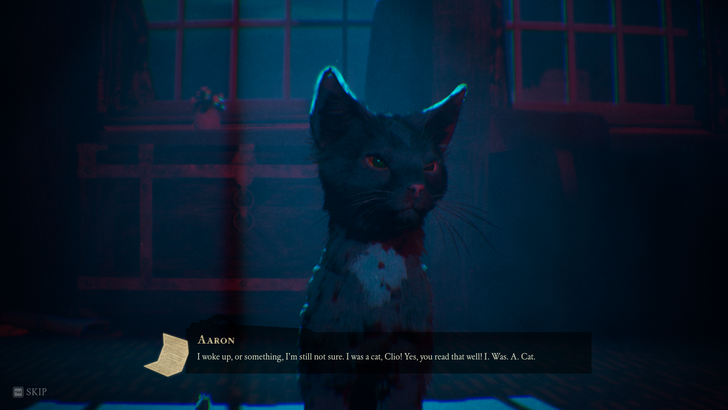
It’s not a secret that the premise and worldbuilding are easily the most alluring parts of the game, one that doesn’t waste time building itself up. Moreover, while the different terminologies can be quite in your face at the start, it’s parallel in a way to how abrupt and sudden Aaron gets pulled into this mess. You are as clueless as he is up until Noa starts to slowly explain things to him.
And what makes it more compelling is that this whole mess goes beyond just Noa’s responsibilities as The Collector. As noted earlier, the problem extends beyond the 17th century, and, to make matters worse, Noa’s connection to Aaron as her partner-in-crime was not by choice. To add to this, the game shares a similar theme with Désilets' previous creation, Assassin’s Creed, as it also centers its story on a specific lineage or bloodline.
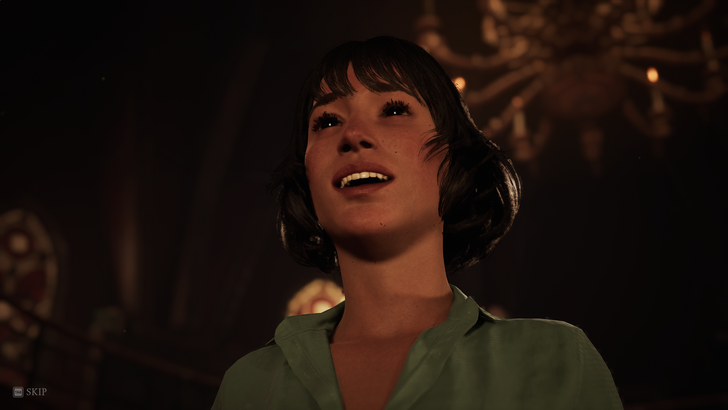
This, of course, concerns how the narrative uses Aaron’s daughter, Clio, to decipher the record he and Noa compiled during their journey in the present. Sound familiar? Sounds a lot like Desmond Miles and his journey to retrace his ancestors' memories and locate the Apple of Eden. It doesn’t end there, as the game alludes that Aaron and Noa’s relationship is deeper than it seems, as Clio clearly has the same powers as she does.
All in all, it’s a world that knows how to keep things interesting while moving forward. It’s unfortunate that the narrative isn’t complete, but that’s sadly how it goes for most Early Access releases. I do wish that Panache Digital Games could update the game more frequently, so the story doesn’t lose momentum because of how long it takes for the next chapter to arrive.
Familiar Gameplay Loop in a Different Cloak
As a big fan of the first four Assassin’s Creed games, the whole gameplay loop is pretty much ingrained in my brain. Outside of its overarching story, the gameplay revolved around searching for your targets and taking them down in a variety of stealthy ways. Either from above, from cover, from behind, or even in straight-up combat.
So it was interesting to see a semblance of it in 1666: Amsterdam, especially in how it approaches its contracts. This is because Noa requires specific information before she can cast the spell to face off against an Original, namely the location of the person being inhabited by the demon, the real name of the demon, and their specific seal.
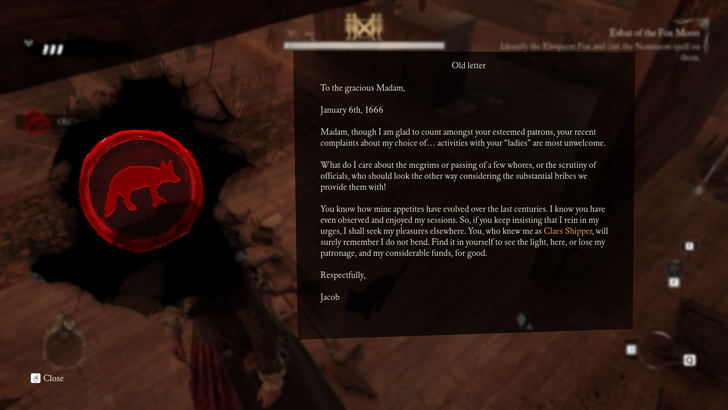
This separates its gameplay loop into phases, starting with full-on exploration and investigation, followed by a climactic boss fight against the target once all necessary information and items have been collected. In addition to basic information gathering through NPC interactions and exploration, you will also be able to use your feline companion to help you gain access to hard-to-reach places like rooftops, unlock certain doors, and even possess NPCs to open up restricted areas.
However, while all of these seem novel, a lot of it still needs some polish. In this day and age, the investigative busywork slows down the game primarily because you don’t exactly have great leads to follow when it starts out. You’re mostly working blind to find the building you’re supposed to be investigating, and this can feel more of an inconvenience than a novelty.
Sure, the whole point is to explore the city under the cover of a civilian, but it doesn’t help that you might get stuck for hours just looking around for a building that’s pretty inconspicuous.
Clunky Combat, Janky Controls, and Questionable Progression
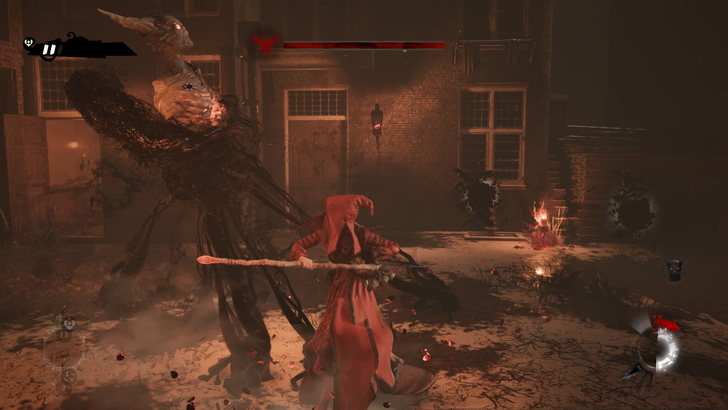
Despite the allure of its narrative and unique gameplay loop, the game suffers from problems that may have stemmed from how long the game has been in limbo all these years.
First, its combat. It feels a lot like an action-adventure game from the PS2 era, where combat is simply dodging, weaving, and hitting enemies when they’re open. There’s not much depth to it. Most of the time, you’ll just be learning attack patterns and responding with attacks on clear openings.
There are also certain abilities and spells that Noa can use that utilize the different resources that you have available, but these abilities are locked behind progression that’s either something you find or through story progress. Which brings us to our next baffling problem: the ability upgrades and progression.
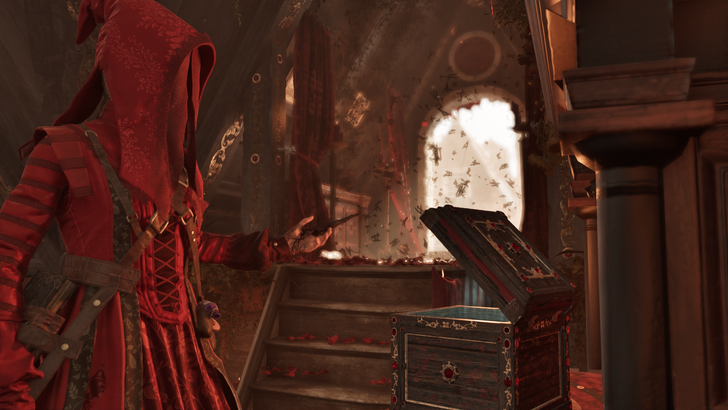
Each chapter opens with you getting a random choice of an ability that’s either an active ability that functions as a combat tool or a passive ability like more health, and you can actually find more upgrades as you explore the different buildings around Amsterdam. The issue comes in when you’re defeated in combat, since you lose all of these abilities and have to pick from a randomized pool again.
This was a big surprise, as nothing in the game hinted at a roguelite progression system that, quite frankly, doesn’t make sense. While there’s some novelty to the connection of Clio deciphering Noa and Aaron’s journey, the frustration of losing a vital upgrade is much higher than discovering the other upgrades that you can potentially get.
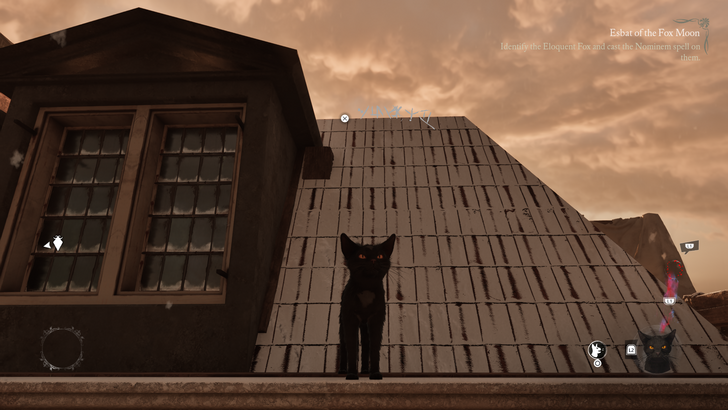
However, all of these pale in comparison to the biggest issue of them all: the janky controls. General movement feels sluggish and unwieldy. For instance, water gliding lets you add a bit of elevation to avoid getting stuck on debris, but both ascending and descending are tied to the right stick, which is also bound to the camera.
Another example is navigating different places as the cat. Jumping on platforms isn’t as accurate as one might expect, since there are times when the game doesn’t show the prompt that you can jump on certain things. There are even more examples to list, but the point is that much of the game suffers from these collective issues and will need a lot of polish to play much better, or at least more smoothly.
More to Come, And Will Need to Prove a Lot More
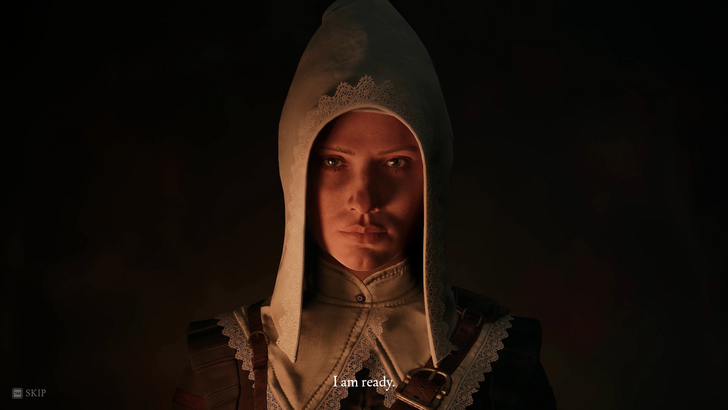
1666: Amsterdam is an interesting game, one that has things working for it underneath a pile of rust and grime that needs a lot more polish. Yes, the art direction and narrative
Also, a narrative-focused game that doesn’t immediately release more story content is on a ticking clock, especially one that doesn’t necessarily have the most engaging or entertaining gameplay loop.
As of writing, I would be hard-pressed to recommend the game, since it’s not in a state where I feel very invested just yet. Instead, I would suggest waiting for a couple of story updates, maybe until the game has at least half of its narrative in place, so it doesn’t feel as hollow as it does now.
Game8 Reviews

You may also like...

1666: Amsterdam Product Information
 |
|
| Title | 1666: AMSTERDAM |
|---|---|
| Release Date | August 26, 2026 |
| Developer | Panache Digital Games |
| Publisher | Panache Digital Games |
| Supported Platforms | PC (Steam, Epic Games) |
| Genre | Action, Adventure |
| Number of Players | 1 |
| ESRB Rating | IARC18+ |
| Official Website | 1666: Amsterdam Official Website |