



| Tides of Tomorrow | |||
|---|---|---|---|
| Release Date | Gameplay & Story | Pre-Order & DLC | Review |
Overview
What is Tides of Tomorrow?
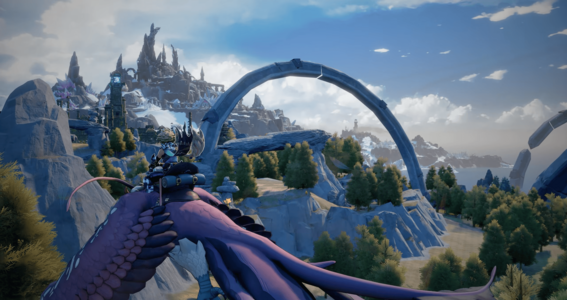
Tides of Tomorrow is a brand-new narrative adventure game where you will be making choices to survive the perils of the troubled ocean planet of Elynd. It will feature a diverse cast of characters that players will need to observe and keep an eye on, as their decisions will revolve around their personalities. Additionally, players will need to pay attention to their friends' decisions and adventures, since these will affect their world as well.
Tides of Tomorrow features:
⚫︎ Choice-Driven Decisions
⚫︎ Asynchronous Multiplayer
⚫︎ Stylized Graphics
⚫︎ Fictional Polluted World
⚫︎ Multiple Endings
⚫︎ Different Cosmetics and Collectibles
For more gameplay details, read everything we know about Tides of Tomorrow’s gameplay and story.
| Digital Storefronts | ||
|---|---|---|
 Steam Steam |
 Playstation Playstation |
 Xbox Xbox |
| $29.99 | ||
Tides of Tomorrow Review: Better Than a High Tide
Not Your Average Adventure Game
Let’s cut to the chase.
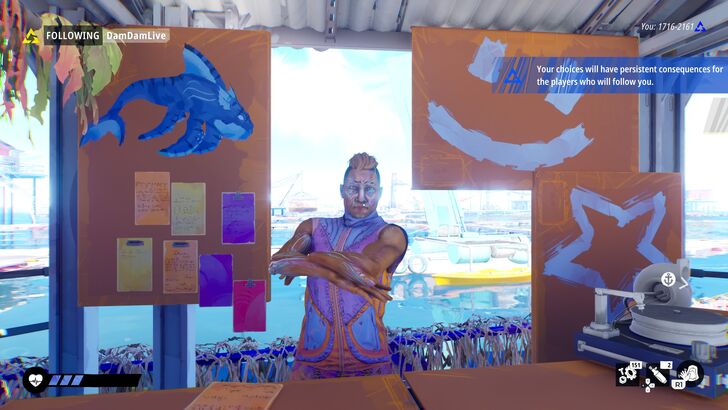
Tides of Tomorrow is definitely more than just your average interactive adventure, as it combines an engaging multiplayer experience along with a variety of gameplay segments and a narrative that challenges your morals. After playing through the preview two months ago, I never expected it to be a game that I would really like. Initially, I thought it wasn’t anything special, but it won me over with its vibrant visuals, unique narrative, and engaging asynchronous narrative.
The narrative delved deeper into its plot points and even challenged my choices with more dilemmas that added more weight to the game’s major plot decisions. Safe to say, it delivered. It was a game that hooked me in with its vibrant visuals and an aesthetic that’s better than most, aside from its asynchronous interactions and narrative. And it all starts with its one-of-a-kind setting and story.
Extremely Unique Post-Apocalyptic Setting and Narrative
One of the biggest things that hooked me about Tides of Tomorrow is its unique setting. I wouldn’t go so far as to say that it’s never been done, but using an environmental disaster as the foundation of your theme is definitely something I haven’t seen much of.
The game takes place in the fictional world of Elynd, where the Great Flood has engulfed the majority of its land. What makes the disaster worse is that the water is polluted with a deadly disease called “Plastemia” that slowly turns living beings into plastic when ingested. The inhabitants of the planet have been struggling since then, and they all have to make tough choices to survive with what they have.
It’s a very different take on an apocalypse because it doesn’t look as bleak as you’d expect. At a glance, at least.
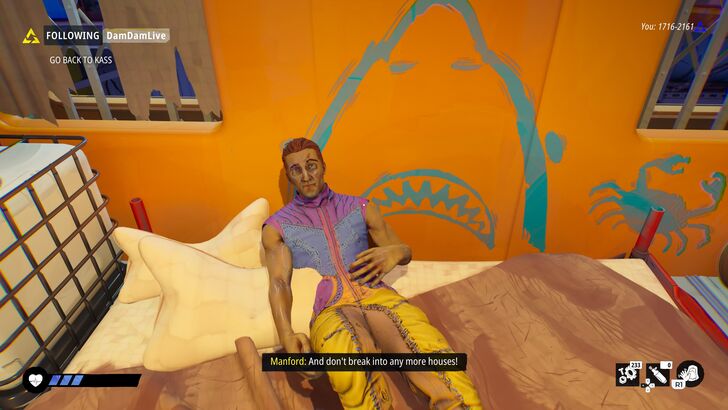
When you get to play the game, you’ll see people scavenging for scrap or begging for Ozen, a temporary fix to combat the slow poison of Plastemia, and you’ll even see corpses who’ve succumbed to plastification. But even then, the world and its inhabitants are still vibrant, expressive, and sometimes even look optimistic to the point where it feels like there’s a light at the end of the tunnel.
I personally found the game’s thematic visuals and setting to be the most compelling part of the game, and one thing that I really appreciated about its portrayal is how it showcases humanity itself. The major characters of the game all come from different backgrounds, and as you experience the narrative, you slowly unravel how each of them has adapted and coped with the changes that happened in Elynd. Some are self-serving and selfish; some are willing to do whatever it takes to uncover the mystery of the Great Flood; and others are just there to cause trouble.
And I haven’t even brought up the actual narrative yet, which is something that slowly but surely hooks you in as well. At first, you’re just trying to find a way for you to survive the day-to-day, and then it slowly turns into an adventure where you can actually change the world. I won’t spoil the details, as it’s one of the biggest reasons why you’d play the game, but the story makes great use of how you perceive the world of Elynd, how you interact with its inhabitants, and how much you’re willing to push your moral compass.
Walking the Grey Morality Line
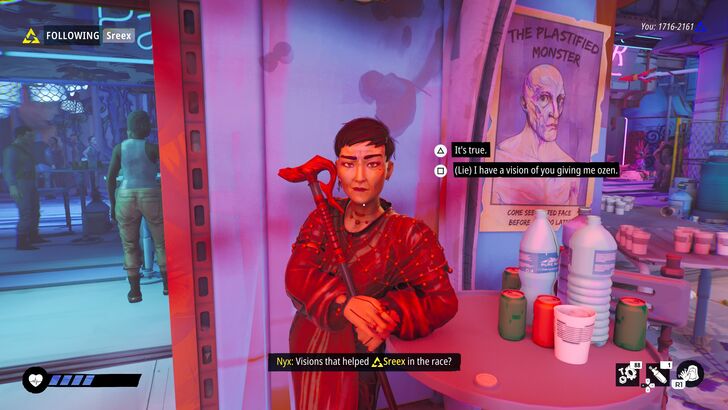
The moral dilemmas in Tides of Tomorrow are quite simple, but that doesn’t mean that they don’t hit hard. For context, you can be as pro-mankind as you want, but that also entails that something else has to give. In contrast, you can put your needs above others', but that would mean others see you as selfish.
Similar to the overarching narrative, I won’t bore you with details or spoilers about the game’s many choices, but it can be summed up as these choices are more than just the outcomes. Yes, it can feel binary at times, since major decisions feel like an “either-or” situation, but it still manages to put you in scenarios that demand answers from you that can have lasting consequences.
To set things straight, Tides of Tomorrow isn’t the first game to do this, nor is it the best to do it either, but the way they frame the characters’ differing ideals, along with the overall story, and tie them together is nothing short of a success.
As the game progresses, you’ll find that the decisions you have to make become much harder to justify or rationalize. Eventually, you’ll have to pick a side. It’s one part of the game that I really empathized with since there were times when I had to stop and think about what this decision would do to Elynd. Sometimes I just had to trust my instincts that these fictional characters would do what I thought was right.
It was interesting to experience my personal switch flip. One where I would become even more invested in a world with characters I relate to and empathize with. But that’s just one part of the full picture, since the reality is that you’re not the only person calling the shots in this adventure.
Asynchronous Ripples Through Playthroughs
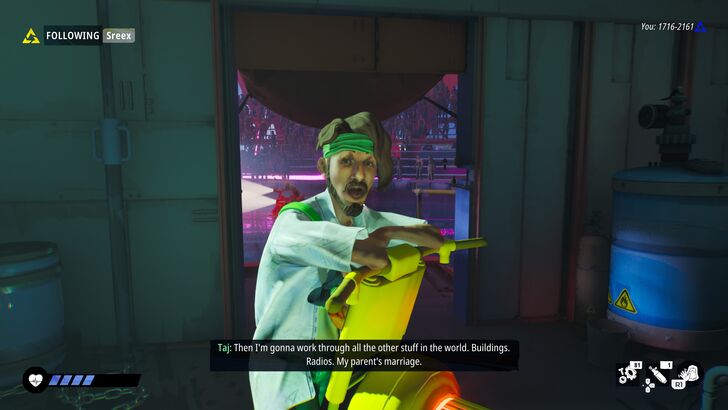
One of the highlights in Tides of Tomorrow’s features is asynchronous multiplayer, which underpins every player’s playthrough.
For context, at the start of the game, you’ll be asked to follow a player, and you’ll be able to not only see what they did for their respective runs, but also feel the aftermath of their choices in yours as well. This makes for an interesting take on the ripple effect, as the player you follow can either make your playthrough much easier or much harder.
It can be as simple as giving scraps to a beggar, or simply acknowledging an NPC, or maybe even as grand as not winning a race, since people were betting on you to win it all. The point is that your choices don’t just affect you alone, but also the other players who choose to follow your playthrough.
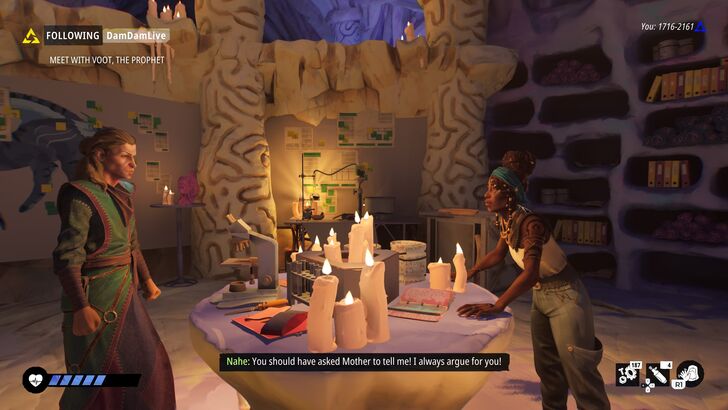
But beyond that, it’s the major decisions that really affect what a player will eventually do in that particular area. It isn’t just a simple change of scenery; sometimes, it even changes the entire stage layout, where you might have to do a big sneaking mission instead of being able to walk on right through because of the other player’s choices.
And that’s not all, there are actual segments in the game that will have you interact with the person you’re following. While it’s completely different for two friends who choose to follow each other’s journeys, blindly following or trusting a random person is a very different experience. They can leave certain hints and things behind, and they have the free will to mislead you or not.
It’s this kind of engaging interaction that also pulled me in, as the developers have clearly used this function to play with human interaction. It’s like you’re given the choice to “double it or give it to the next person,” or just take whatever is offered to you, and the only real judgment you’ll get is your own conscience and the people who’ll follow your adventure.
More Interactive Than Most Interactive Adventures
Finally, we get to the actual gameplay. Most of your time will be spent making decisions and taking actions that move the story and its choices forward, but I find the whole process quite underrated, to say the least.
If what you’ve read so far gave you the impression that it was mostly a walking simulator where you talk to NPCs and choose options, then you’re only half right. The other half is that you’ll be partaking in different scenarios in your playthrough. These aren’t very complex or very difficult, but they add a lot of variety to the experience.
For instance, earlier I talked about turning a stage into one big sneaking mission, and that’s exactly what’s going to happen. You’ll be sneaking through buildings against armed guards, keeping out of sight while you get to your destination. Another scenario will have you taking part in ship combat, where you’ll need to fight off poachers, pirates, and whatever else on the polluted oceans.
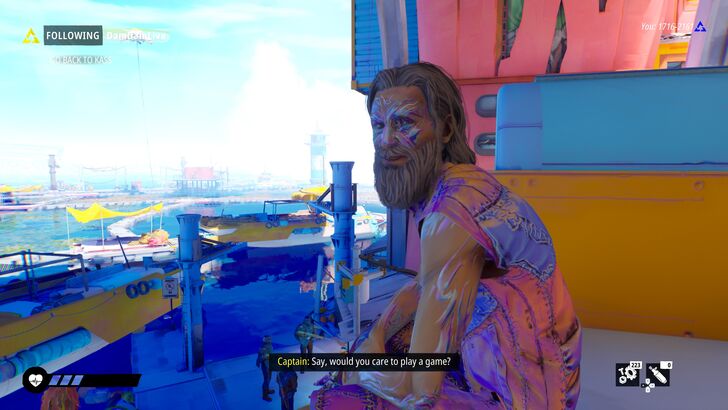
Take note that these encounters aren’t very deep or complex. They’re only simple gameplay mechanics where the sneaking is merely staying out of sight, and the ship combat is just you sailing around and spamming the cannon button until you sink your enemies. But they’re spaced in a way that the game never feels monotonous in how it lets you play the game.
Beyond its compelling narrative and thematic storytelling, the gameplay was definitely something I enjoyed. It wasn’t just a walking simulator like most narrative-focused games, and I think that’s one aspect of games in that genre that tends to be undervalued most of the time. Don’t get me wrong, there is nothing wrong with that, but when you’re able to combine a good narrative with entertaining gameplay, then it’s bound to be more enjoyable and more interesting than your average adventure game.
Is Tides of Tomorrow Worth It?
It’s Worth It for the Experience Alone
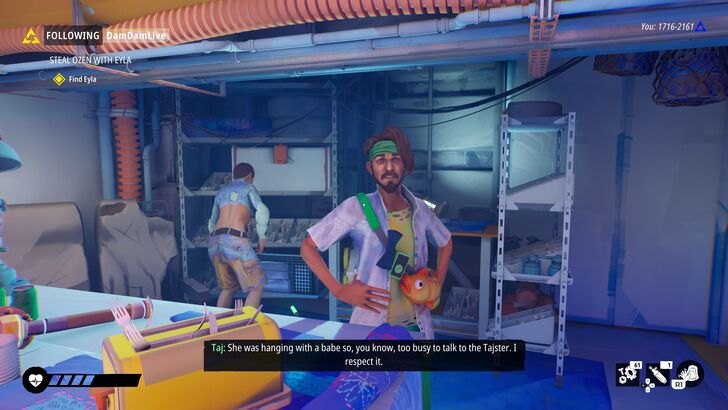
Tides of Tomorrow is definitely a game that’s worth playing for the unique experience alone. The novel take on using asynchronous multiplayer as the foundation for a player’s playthrough, combined with an interesting setting and narrative, makes for an adventure you won’t see anytime soon.
And if you were afraid that it was simply going to be a visual novel where you walk a bit, then don’t be, since the variety in its gameplay segments is more than you would expect. Sure, it doesn’t have the most complex choices or gameplay than other games, but what it does have is an experience that’s able to balance entertaining gameplay with a narrative that tugs on your morals in its climactic moments.
I would honestly recommend the game to anyone who likes narrative-focused games, and even to those who enjoy visual storytelling, as it contrasts its vibrant visuals with its bleak themes. Also, the way it uses human interaction in the choices you make and the fellow players you follow is simply something that you have to try.
It even got me thinking about whether I should trust a random person on the internet, and I think people should experience that kind of moral dilemma more, especially since there are little to no stakes.
FAQ
Does Your Progress in the Tides of Tomorrow Demo Carry Over?
No.
Game8 Reviews