

"If, after finishing the game, you find yourself quietly reflecting on the voices of those close to you—or the voices you can no longer hear—that would be the greatest joy for us."
We interviewed Schrödinger’s Call's director and lead artist, Achabox, and scenario writer, Seishi Irimajiri, as they unravel the inspirations, design philosophy, and emotional impact behind one of the most popular Japanese visual novels in recent years.
Schrodinger's Call Rings From a Desire to be Heard
Puts the Japanese Visual Novel Back Into the Spotlight
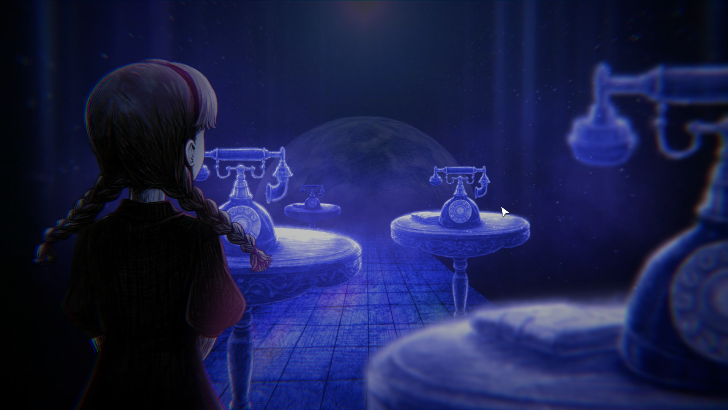
In a world where connection is often instant and identities are revealed at a glance on a screen, Schrodinger's Call slows time to a single, uncertain moment before a rotary dial phone answers. The debut title from the Kyoto-based indie studio, Acrobatic Chirimenjako, translates quantum ambiguity into human tenderness, winning the Grand Prize at the Shueisha Game Creators CAMP GAME BBQ Vol. 1 and securing the number-one spot on OpenCritic's Best Games of 2026.
Schrodinger's Call is a linear visual novel published by Shueisha Games for PC on Steam and Nintendo Switch, released on May 27, 2026. It follows a girl named Mary who takes phone calls from strangers in limbo, 21 nanoseconds before humanity ends with the moon crashing into Earth.
We sat down with director Achabox, the creative force behind the game's art, and co-director Seishi Irimajiri, who's in charge of the writing and music composition, to pull back the curtains on Schrödinger’s Call’s narrative intentionality. What followed is a deep dive into its themes and core concept, as well as the development journey that first took root from pandemic melancholia.
Four-Year Development by a Three-Person Team
The Uncertainty of Phone Calls
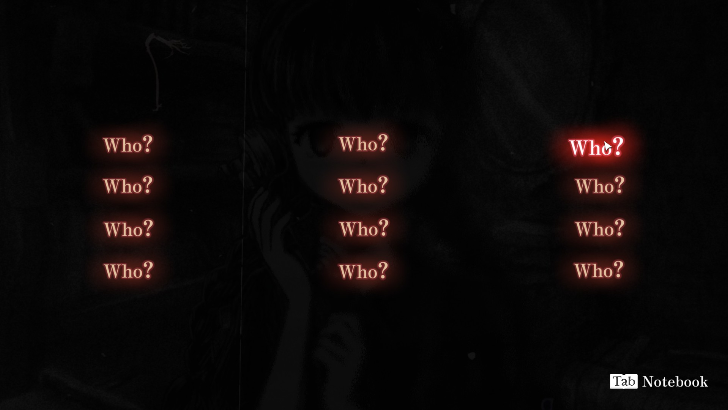
To shed light on what first sparked the team’s idea for the game, Achabox pointed to the pandemic as central to its conception, having undergone "tremendous pain" herself during that time and feeling the urgent need to be heard. "Difficult things happened around me," she said. "But I also discovered something—talking to someone over the phone saved me."
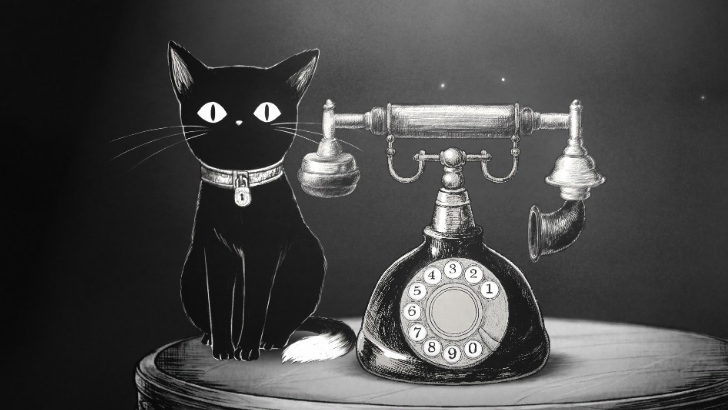
From there, Schrödinger's Call drew inspiration from Schrödinger's Cat thought experiment, which presents a cat in a box as both alive and dead until someone opens the box to see for themselves. However, what distinguishes it from other visual novels with similar quantum-mechanics motifs is the title’s wordplay, which ties directly to the uncertainty of answering a phone without knowing who is calling. Seishi contrasted "modern smartphones and chat apps," which reveal a caller’s identity and possibly hint at their intent, with a vintage rotary phone, where picking up the receiver meant not knowing who was on the other end, "[or] if they’re still [even] alive."
"When you can't see who's calling, you instinctively imagine them deeply. You listen intently. There's something profoundly human and tender about that act—truly thinking about another person," he remarked. "As you play through the story and things gradually become certain, we hope you'll reflect on what the title means to you."
One Definitive Ending Pushed the Removal of Several Mechanics
It was around the post-lockdown period that Shueisha announced the CAMP BBQ Vol. 1 contest, and Acrobatic Chirimenjako saw it as the ideal opportunity to pursue the project with full commitment and conviction. "I remember thinking, ‘This is It!’—and we submitted everything we had because we were passionate about bringing this story to more people," Achabox recalled.
After bringing home the Grand Prize in the contest, the team continued to develop Schrödinger's Call over the next four years. Early in production, they considered implementing multiple endings, but ultimately rejected the idea. Their priority was to highlight Mary’s emotional journey rather than offer players the conventional satisfaction of choice-driven outcomes.
"We were convinced that delivering the message was paramount, so we stripped away unnecessary game mechanics," Seishi said.
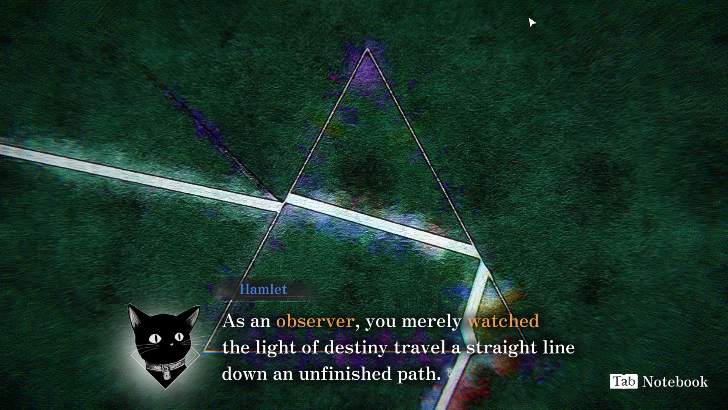
This led to a process of "rigorous subtraction in development," strongly opposed by Shueisha Games during "intense discussions about what worked and what didn't." However, the team remained steadfast in their decision, resulting in the Schrödinger's Call beloved by fans today.
Though visual novels typically hinge on branching storylines and the consequences of player choices, many titles deliberately forgo this design to amplify narrative impact by using one clear route with little variation. Other examples include Witch on the Holy Night and Planetarian: The Reverie of a Little Planet.
Somber and Nostalgic Artistic Direction
Film and Western Influences in Approaching Sensibility
Acrobatic Chirimenjako previously mentioned drawing inspiration from titles, such as The House in Fata Morgana and Omori, while developing the game. Outside the video game sphere, Seishi and Achabox noted two other key influences that shaped the tone and style of Schrödinger’s Call.
For Seishi, the 2011 film Melancholia, directed by Lars von Trier, provided the blueprint for the game’s atmosphere and world-building. Meditating on human psychology in the face of inevitable destruction, underscored by an "overwhelming sense of melancholy," resonated with the team's vision of a collapsing world.
"The film's focus on internal dialogue and emotional turbulence, paired with its beautiful yet cold aesthetic—reminiscent of literature and illustrated books—became defining elements of our game's tone," he stated.
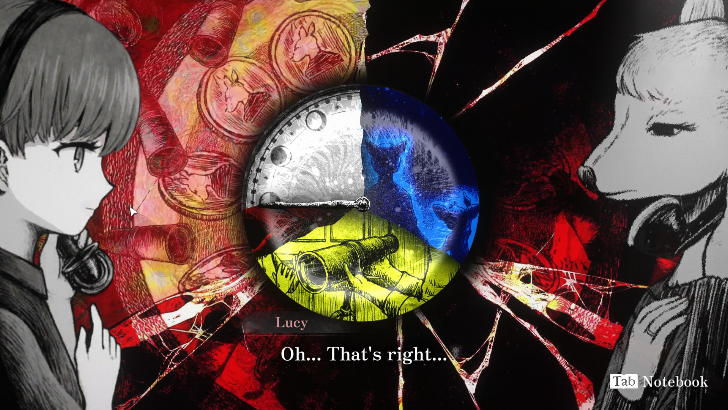
Meanwhile, Achabox highlighted Western influences from European travels and collage art, blending apocalyptic sensibility with the Japanese concept of "mono no aware" to craft a style they could call uniquely theirs: "nostalgic, bittersweet, and unexpectedly warm."
"Mono no aware," which translates to "the pathos of things," is the Japanese aesthetic appreciation of the transience of things.
Visual and Audio Contrasts Create Emotional Unease
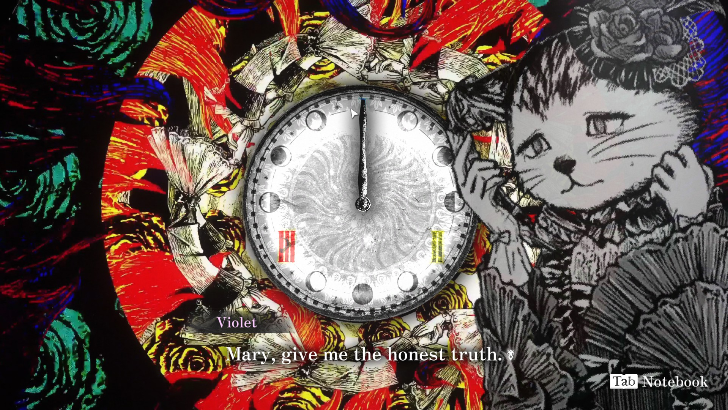
The distinctive, eye-catching art style of Schrödinger’s Call, which appears to combine sketches and surrealism, emerged from the developers' desire for an aesthetic that would feel both timeless and uncanny. Monochrome worlds are disrupted by vibrant reflection sequences and phenakistoscopes, pioneering animation devices predating modern cinema that created a fluid illusion of circular motion.
"This contrast creates a sense of emotional unease and turbulence," Achabox noted, "Combined with dramatic sound design and visual cues timed to button presses, we pull players emotionally into the experience."
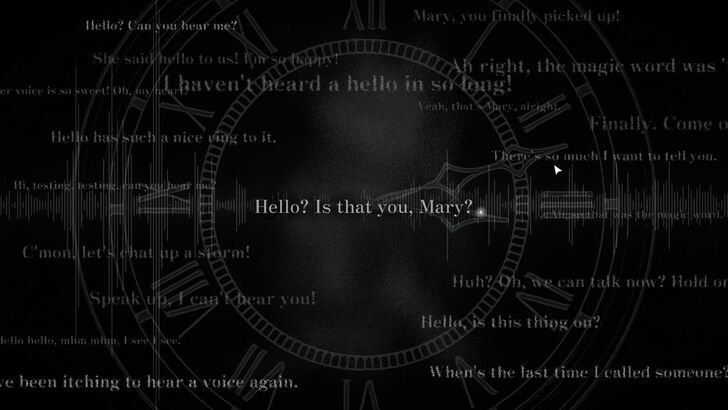
In line with that, the game director remarked that the indispensable sound design was the heartbeat of Schrödinger’s Call, with Seishi Irimajiri's theatrical background in music production at the helm. They engineered the phone's ring to evoke the unsettling impression of a soul calling out, reinforced by synchronized visual effects. Moreover, they avoided conventional game UI and visual embellishments, instead relying on cinematic scoring, subtle breathing, and dialogue to convey emotional resonance.
According to Achabox, Seishi "brought theatrical sensibilities" never typically heard in games. She added, "The three of us—collaborating closely between art, dialogue, and sound—created something we believe is genuinely unique"
Characters Emphasize Connection Amid Uncertainty
Mary is the First Face Reaching Out
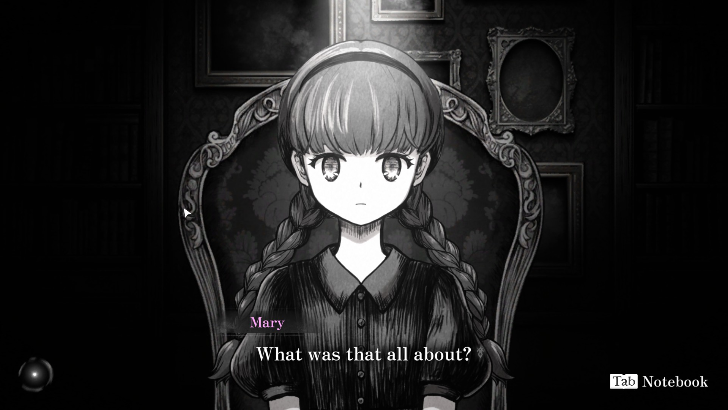
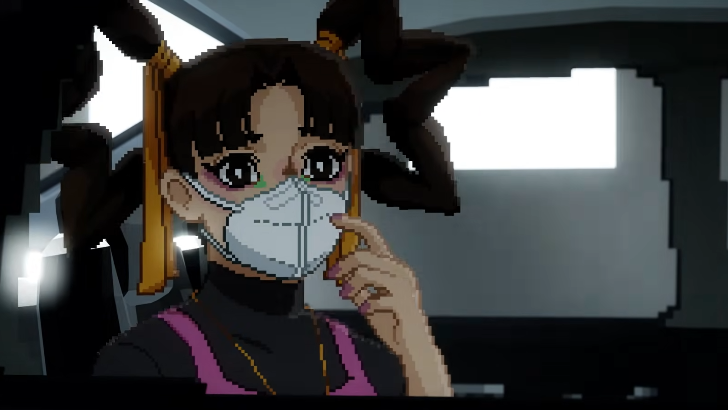
At the center of Schrodinger's Call is the world's last listener, Mary. While the plot progresses as the other characters come to terms with their grief and past actions, it is Mary's empathy that first touches their hearts. Asked about the creative process and intent for situating Mary as the focal point, Achabox tied the protagonist's role to their own pandemic experience and the image of "a blank-faced girl waiting by a phone."
"It felt like everyone around her wanted to reach her too. That core image became the foundation, and Mary emerged fully formed with her braids from that very first sketch," Achabox stated.
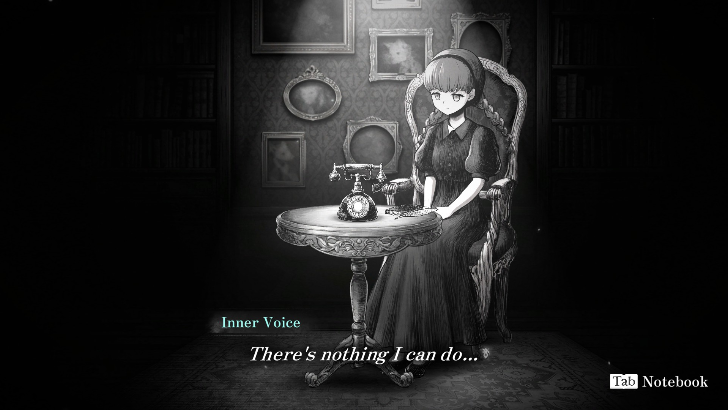
They envisioned Mary as the embodiment of humanity's enduring need to connect. Initially distant, she gradually became a quiet, compassionate presence who bridges isolation "through shared understanding."
Regarding her role, Seishi also addressed questions about the fate of Earth's remaining population, given that Mary was shown to answer only a handful of calls in the game. "Perhaps they found other listeners, other voices to connect with, and in the end, they were saved. But like so much in this game, the answer remains open to your interpretation until you observe it yourself," he remarked.
Animal Callers as Voices Without Faces
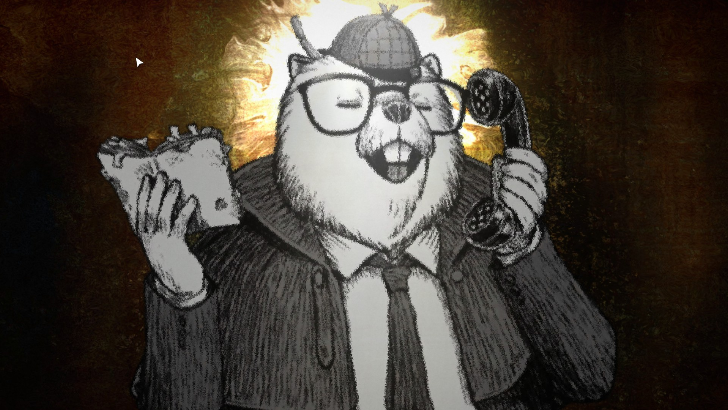
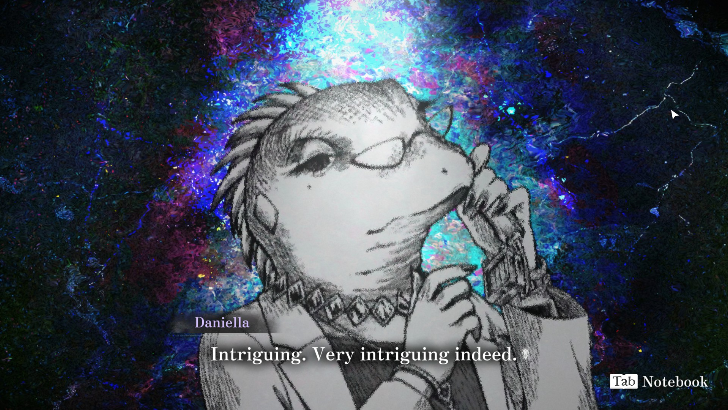
Surrounding Mary is a cast of callers who assume the appearance of anthromorphic animals: deer, fox, frog, bird, and so on. Faceless and open to interpretation, they serve to remind players about the "disconnect between voice and identity" and "expand their imagination."
Against this backdrop, Mary's unique characterization shines all the brighter. "By drawing Mary as human and everyone else as animals, we emphasized her uniqueness in this strange world and the uncertainty of her callers—faces she'll never see," said Achabox.
Hamlet References Schrodinger's Cat
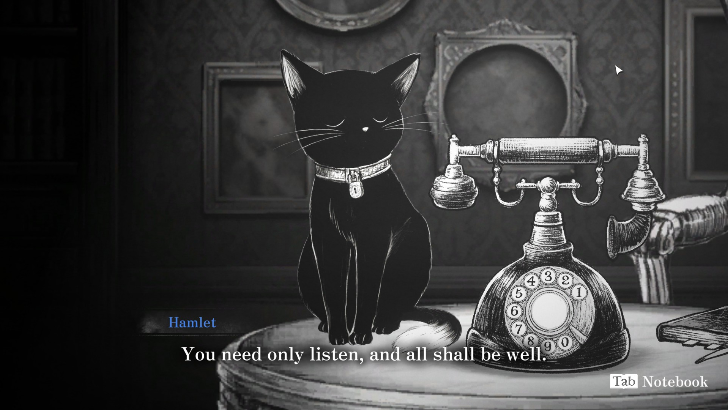
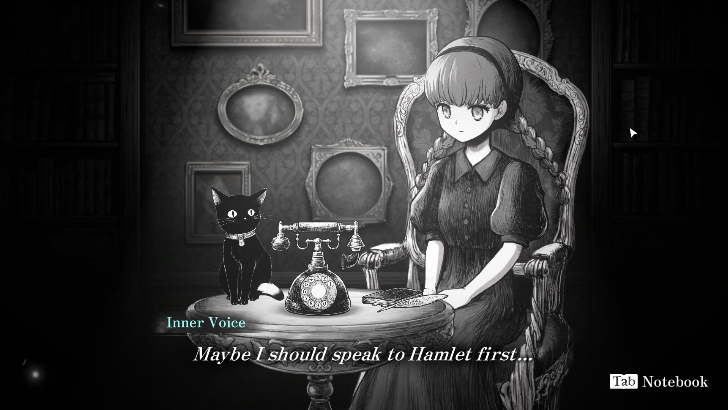
Aside from Mary and the souls that need saving before the Earth meets its demise, another prominent character is the cat Toby Notoby Hamlet, or just Hamlet for short. Contemplative, with "a gaze that seems to understand everything," he guides Mary through every phone call she makes and answers. According to Seishi, Hamlet’s existence points to the titular Schrodinger's Cat, saying, "In this ambiguous world where life and death remain undefined, Hamlet represents the rules of the world itself."
"Hamlet's presence beside Mary represents both her own wish and the wish of someone you'll meet in the final chapter," Achabox added, noting that the cat's bond with Mary runs deeper than his enigmatic role suggests. "He deeply cares for [her], and perhaps what he wants most for her is what's best."
Moreover, Seishi quipped with a laugh that Hamlet, being a cat, is inherently unpredictable, "He disappears and reappears at will, alternately giving players comfort and unease."
One Path, Infinite Meaning
The Moon Falling is a Metaphor
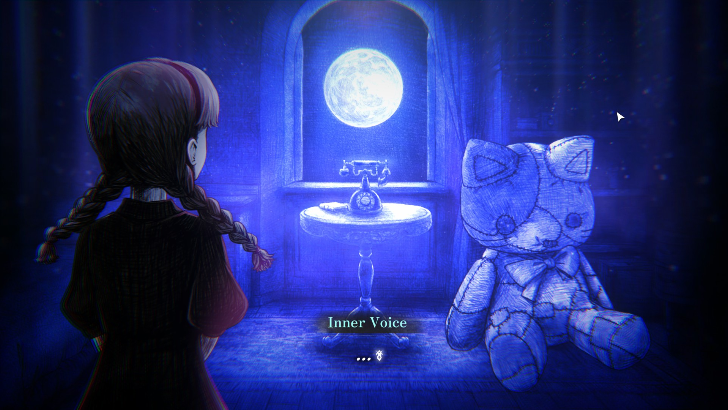
Two of the plot points that introduce elements breaking realism are the catastrophic fall of the moon and the inclusion of Moonchildren, youths who ignite everything around them into flames when exposed to sunlight. According to the developers, several aspects of the game stand as more symbolic than literal.
Notably, Seishi clarified that the moon’s fall should not be read as a straightforward sci-fi apocalypse, but rather as a metaphorical device in the narrative, tied to "the definitive losses and fractured realities that the characters carry in their hearts."
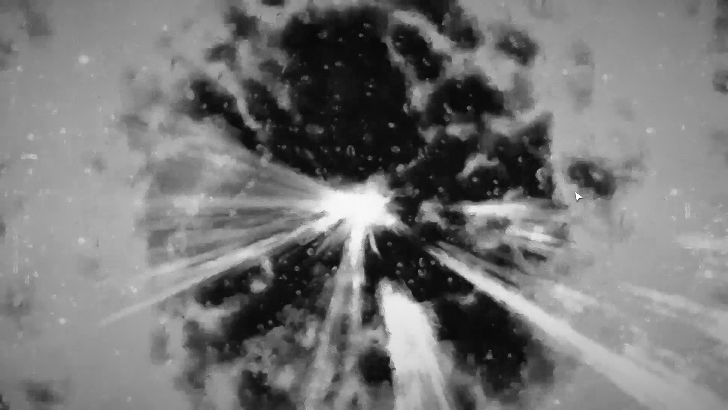
On a related note, Seishi further stressed that the Moonchildren are closely tied to the visual novel’s central theme, or the idea that the state of an object remains undefined until observed. Echoing Schrödinger's Cat, the Moonchildren do not exhibit spontaneous flame generation when under someone else's watchful eye, because "observation suppresses ignition."
That said, he still welcomes players to take the game's events at face value at first, if they wish, though the true experience unfolds as their minds wander beyond the surface. "After all, everything happens in just 21 nanoseconds before humanity's end."
"By the time players finish the game, I think they'll discover multiple layers of meaning," he said, referring to Schrodinger's Cat in the title and prompting players to uncover the game’s ambiguity themselves.
Opening the Lids on Hearts
The Echo That Remains
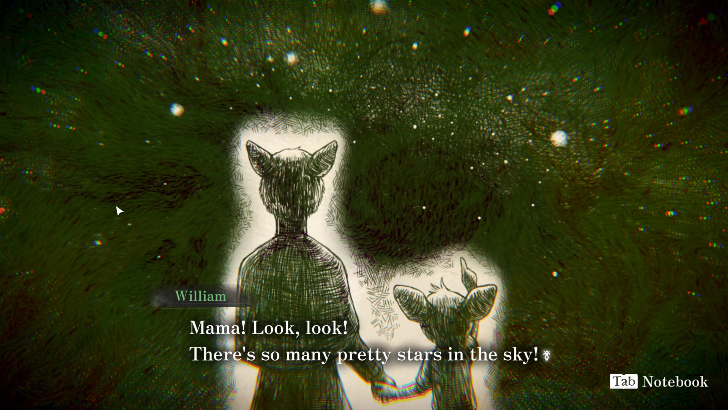
Through Schrödinger’s Call, Seishi seeks to remind players of the resonance of voices often overlooked, urging them to treasure and nurture human connection beyond the static of screens and the clutter of digital life.
"If, after finishing the game, you find yourself quietly reflecting on the voices of those close to you—or the voices you can no longer hear—that would be the greatest joy for us," he stated. "We hope you'll carry with you the profound beauty and heartache of truly listening to someone's solitude and standing beside them—as a cherished memory."
When asked about Acrobatic Chirimenjako’s future projects, Achabox admitted it had not crossed her mind yet, as she is still fully absorbed in Schrödinger’s Call, released only a month ago. While the team does intend to keep making games, Acrobatic Chirimenjako was formed specifically to create this debut title, leaving their next steps still undecided.
Even so, they expressed a hope to continue crafting works "that gently open the lids on people’s hearts" through the quiet moments of everyday life.
Full Interview
Read the full interview below.
What was the reason behind using Schrödinger’s Cat as the basis for the title? Besides being a story that takes place 'between life and death,' are there other ways the concept is intended to tie into the game's story and themes?
Seishi Irimajiri: By the time players finish the game, I think they'll discover multiple layers of meaning.
The core comes from that moment before the phone connects—when you don't know who's calling, when their identity remains uncertain. With modern smartphones and chat apps, we instantly see who's contacting us and why. But a vintage rotary phone? You pick up the receiver without knowing who is on the other end, or even if they're still alive.
That uncertainty—that "not knowing until you answer"—directly mirrors the quantum mechanics thought experiment of Schrödinger's Cat: the cat's state remains undefined until you open the box.
When you can't see who's calling, you instinctively imagine them deeply. You listen intently. There's something profoundly human and tender about that act—truly thinking about another person. We felt this concept perfectly captured what we wanted to express, so we made it the game's title and core theme.
As you play through the story and things gradually become certain, we hope you'll reflect on what the title means to you.
Were there any particular books, films, or other non-game media that influenced the tone or style of Schrödinger’s Call?
Seishi Irimajiri: Lars von Trier's film Melancholia was a significant influence on our world-building and overall tone. The film's exploration of human psychology facing an inevitable end—a literal planet collision—and the overwhelming sense of melancholy beneath it all deeply inspired our concept of a world where the moon is falling and ending times are near. The quiet, somber atmosphere felt like the perfect match.
The film's focus on internal dialogue and emotional turbulence, paired with its beautiful yet cold aesthetic—reminiscent of literature and illustrated books—became defining elements of our game's tone.
Achabox: My Western influences came from past collaborators and things I picked up while traveling through Europe, including collage collections I bought along the way. The combination of nostalgic, bittersweet, and unexpectedly warm visuals—paired with Western apocalyptic sensibility and Eastern mono no aware (the pathos of things)—created something we feel is uniquely ours.
It's been mentioned that having just one route makes the core theme in Schrödinger’s Call land stronger. Was this something that was decided on from the beginning, or were multiple endings considered at some point?
Seishi Irimajiri: We did explore multiple endings early on, but ultimately decided against it. The reason is simple: we didn't want players to experience the typical game satisfaction of "my choices determined the ending." Instead, we wanted them to feel Mary's emotional journey—her hesitation, her carefully chosen words—as she moves toward an inevitable conclusion.
We were convinced that delivering the message was paramount, so we stripped away unnecessary game mechanics. This meant rigorous "subtraction in development." The team at Shueisha Games pushed back hard during this process—there were intense discussions about what worked and what didn't. But we kept our vision sharp and focused on a single, unwavering path.
Schrödinger’s Call's art style is certainly distinct and eye-catching. What was the main design philosophy behind the game’s look, and how was audio and gameplay intended to complement it?
Achabox: Visually, I aimed for an aesthetic that feels timeless and subtly strange—like cherished memories that are warm and nostalgic all at once.
To express the space between life and death, I rendered the world predominantly in monochrome. But when players approach truth in the reflection sequences, we introduce vibrant illustrations and phenakistoscope animations. This contrast creates a sense of emotional unease and turbulence. Combined with dramatic sound design and visual cues timed to button presses, we pull players emotionally into the experience.
Sound was absolutely essential to Schrödinger's Call. When the phone rings, it feels like a soul calling out—unsettling enough that the moment that bell chimes, players genuinely believe someone on the other end needs help. The on-screen effects and sound effects work in tandem to create this feeling.
We deliberately avoided typical game UI and visual flourishes. Instead, we focused on cinematic music and the subtle presence of characters' breathing—letting dialogue and sound carry emotional weight. Seishi, who handled the scenario and sound design, has a background in theater music and production. He brought theatrical sensibilities that you simply don't hear in games, and we embraced them without hesitation. The three of us—collaborating closely between art, dialogue, and sound—created something we believe is genuinely unique.
It’s impressive that Schrödinger’s Call won at the Shueisha Game Creators CAMP GAME BBQ Vol. 1. How long did it take to conceptualize and develop the game, and what led to the decision to submit it to the contest?
Achabox: From when we secured the award in 2022 to the global launch on May 28, 2026, development took about four years. When the pandemic started, difficult things happened around me. I had a deeply painful experience, but I also discovered something—talking to someone over the phone saved me. That inspired this game concept, and I became determined to make it.
When Shueisha announced their contest, it felt like the perfect opportunity. I remember thinking, "This is it!"—and we submitted with everything we had because we were passionate about bringing this story to more people. Honestly, it was pure conviction that this game had to be made.
How was Mary’s character created? Is there any special meaning or symbolism behind the other characters being shown as animals, even when they’re actually humans?
Achabox: This connects to what I shared earlier—during the pandemic, when I was experiencing tremendous pain, I desperately wanted someone to listen. An image came to me: a blank-faced girl waiting by a phone, reaching out to connect. It felt like everyone around her wanted to reach her too. That core image became the foundation, and Mary emerged fully formed with her braids from that very first sketch.
Mary is the world's final conversation partner, and by extension, she represents the universal human desire to connect with someone. She began as a character standing at the boundary between life and death, observing lost souls while maintaining emotional distance. Early on, she was more detached—simply fulfilling her role as the last listener. But as we developed the game and focused on the act of "accompanying" others, she evolved into someone quietly compassionate—someone who connects through shared understanding.
We depicted other characters as animals for several reasons. By drawing Mary as human and everyone else as animals, we emphasized her uniqueness in this strange world and the uncertainty of her callers—faces she'll never see. The animal forms also expand player imagination. Instead of defining age or appearance, we leave more room for interpretation. Since callers are faceless on a phone, the animals represent that disconnect between voice and identity.
On a related note, how was the cat Hamlet conceptualized? Is he tied to any broader themes or hidden symbolism in the narrative?
Seishi Irimajiri: Hamlet embodies the cat referenced in the title. He's a navigator—a guide leading both the player and Mary into the depths of the story. He's detached and contemplative, possessing a gaze that seems to understand everything. In this ambiguous world where life and death remain undefined, Hamlet represents the rules of the world itself.
That said, he's a cat, so he's unpredictable. (laughs) He disappears and reappears at will, alternately giving players comfort and unease.
Achabox: He deeply cares for Mary, and perhaps what he wants most for her is what's best. We can't say more without spoiling things, but Hamlet's presence beside Mary represents both her own wish and the wish of someone you'll meet in the final chapter.
Whether it's due to the game's development or the in-game lore, is there a concrete reason why the Moon fell? How does this connect to the Moonchildren, and what is the purpose of their existence?
Seishi Irimajiri: The Moon's fall isn't merely a sci-fi apocalypse scenario. It's a metaphor for the definitive losses and fractured realities that the characters carry in their hearts. It symbolizes the world's loss of absolute light—hope and emotional anchor points.
The "Moonchildren" are young people with unusual conditions. Without their control, they spontaneously generate intense flames around them. They're said to be at far greater risk of ignition when exposed to sunlight. Deprived of the sun's light and seeking only the moon's glow, the Moonchildren represent pure yet fragile souls.
Importantly, their nature—that "observation suppresses ignition" or "observation makes their state concrete"—connects deeply to the game's core theme: "until observed, the state remains undefined," just like Schrödinger's Cat.
Since Mary only got to save a handful of souls, what happened to the rest in the end?
Seishi Irimajiri: Perhaps they found other listeners, other voices to connect with, and in the end, they were saved. But like so much in this game, the answer remains open to your interpretation until you observe it yourself.
Should we take the game’s events at face value, or are there parts that serve more as metaphor?
Seishi Irimajiri: We'd love for you to take them at face value first, then let your mind wander. After all, everything happens in just 21 nanoseconds before humanity's end.
What lessons from this debut will carry onto the next project? Will future games keep exploring heavy emotional themes, or perhaps lean into something lighter?
Achabox: Right now, Schrödinger's Call still occupies all my thoughts, but I do want to keep making games. Since Acrobatic Chirimenjako formed specifically to create this game, our next steps are still undecided. That said, we hope to continue crafting works that gently open "the lids on people's hearts" in the everyday moments of life.
What is the main message people should take away after playing Schrödinger’s Call?
Seishi Irimajiri: If, after finishing the game, you find yourself quietly reflecting on the voices of those close to you—or the voices you can no longer hear—that would be the greatest joy for us.
Step away from the screens and noise of modern life. Imagine, with genuine effort, the faceless person on the other end of the line. We hope you'll carry with you the profound beauty and heartache of truly listening to someone's solitude and standing beside them—as a cherished memory.