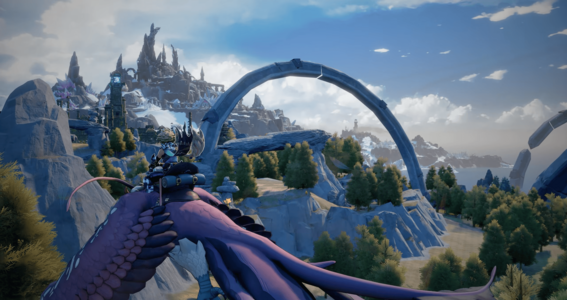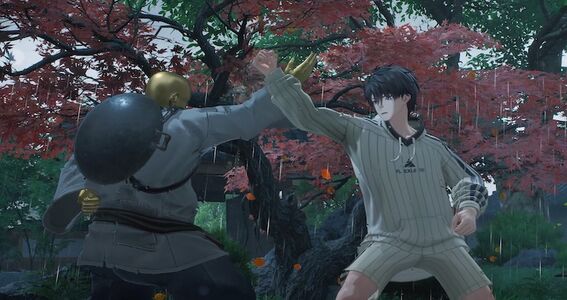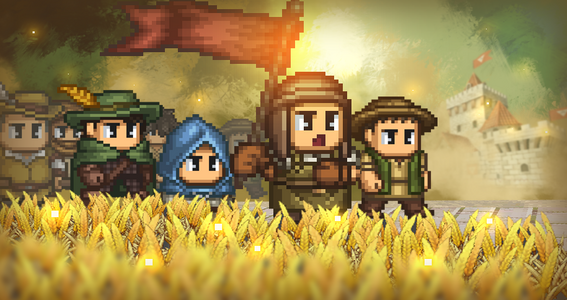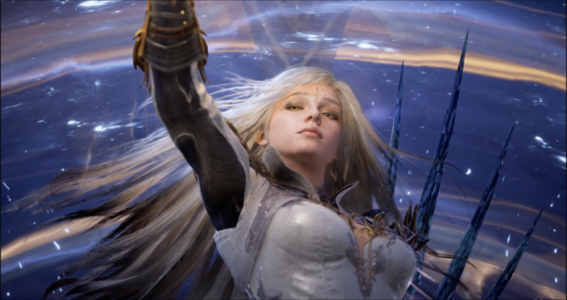



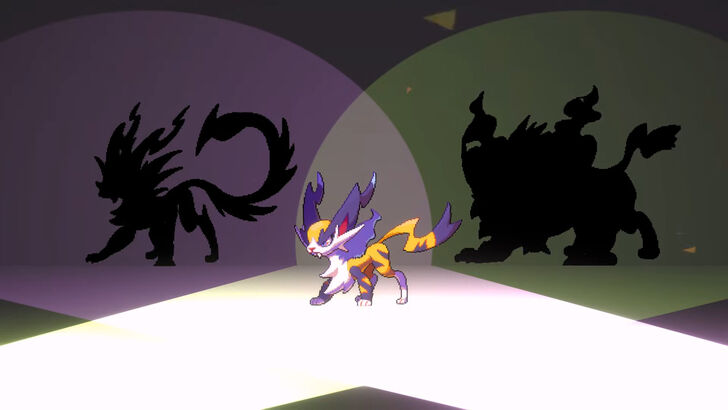
LumenTale: Memories of Trey doesn’t want to reinvent the creature-collection genre wheel, but wants to modernize its systems with the help of other genres. Learn more about how it uses other genres to refine its progression systems, gameplay loop, and more.
LumenTale: Memories of Trey Improves the Genre Using MMO and JRPG Mechanics
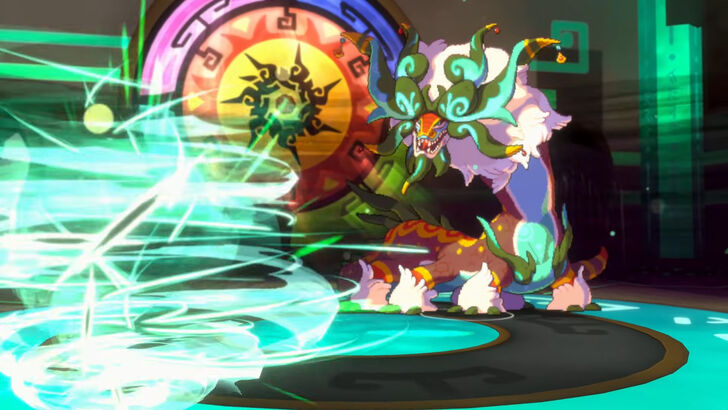
We sat down for an exclusive interview with Beehive Studios CEO Paolo Lella to discuss the development of LumenTale's unique progression systems, the rationale behind its combat loop, the inspirations for those systems and mechanics, and what players can expect for the future.
Improving the Tried-and-True Formula

The creature-collector RPG genre has been around for decades now, with franchises like Pokémon and Digimon becoming household names across generations through various media. However, it’s no secret that certain elements of the genre, like progression and combat, feel dated compared to other genres that are constantly evolving. LumenTale: Memories of Trey aims to remedy that by drawing on other genres, namely MMOs and JRPGs, to improve the tried-and-tested formula.
“While developing LumenTale, we studied a lot of games, both in the same genre and completely outside of it,” said Beehive Studios CEO Paolo Lella, when asked about the team’s process of creating a game that goes beyond the expectation that comes with the genre.
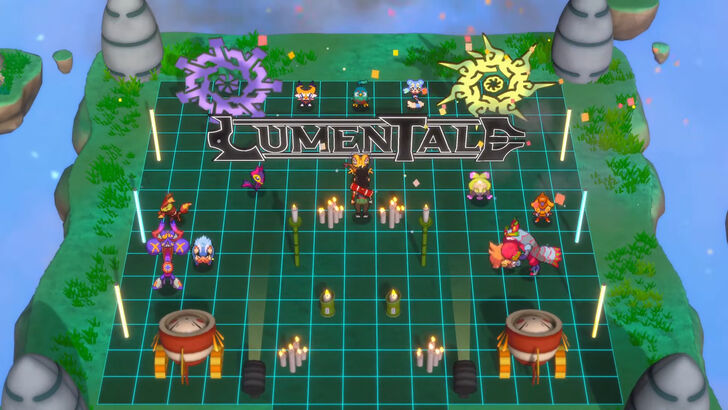
The team consciously thought about how to "go beyond" the genre and came up with the answer "to provide freshness in a stale genre." Instead of reinventing the wheel entirely or changing the gameplay loop entirely, they wanted to change the genre by redefining its established systems by taking inspiration from other genres.
"While we know that LumenTale did not reinvent the wheel entirely, nor fundamentally redefined the way Monster Collectors games play out, we believe we have created something completely new that can stand on its own two feet, and that even players outside of the genre can pick up and enjoy."
Changing Progression Through MMOs
If you’ve played a title in the same genre before, chances are you’re already familiar with how progression works. For the uninitiated, this is normally done through combat, earning experience points for victories, which then lead to the players’ monsters leveling up and gaining stronger stats and abilities to challenge even stronger opponents. The developers of LumenTale wanted to change that, as they felt that the familiar progression needed something fresh.
On top of the traditional way of leveling up, Beehive Studios looked to MMOs to expand its progression systems by incorporating crafting materials to improve abilities. For context, players would explore the world and earn these materials by attacking overworld items and battling, which they could then use at checkpoints to upgrade their chosen skills if they met the requirements.
However, getting to that system wasn’t easy, as Lella mentioned that the system went through various iterations before they settled on using crafting materials in the equation. The result was a progression system that added another layer to the process of getting stronger, building on its gameplay loop while enhancing the overall experience through its exploration and progression.
Combat and Story Influenced By JRPGs
When asked about the combat loop for LumenTale, Lella explained that their basis for having 4v4 battles was to serve "as a reminder to classic JRPGs.He mentions that the team agreed that having 4v4 battles was non-negotiable, but this came at a cost of a mechanic that’s used as the basis for most games in the genre: the type chart.
" We feel that it would've been overwhelming for the players to manage all those types of interactions in 4v4 battles," Lella states, clarifying the decision to forego the type chart. To establish depth through its combat, they looked to another JRPG, the Persona series, to formulate a similar weakness system where species would have their own weakness table that’s much easier to learn and manage.
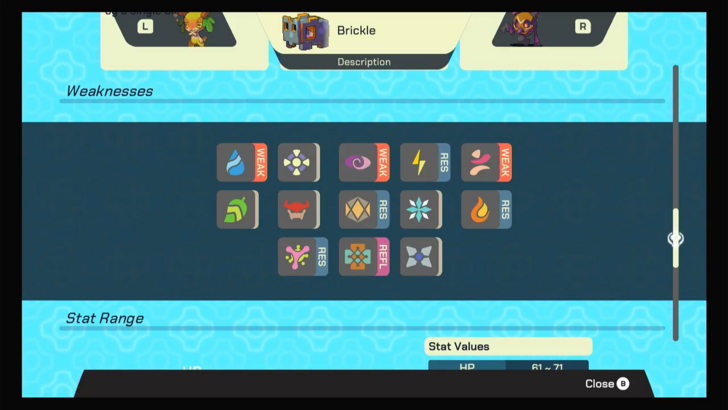
Similarly, Lella remarks that there were a lot of other combat systems and mechanics that had to be forgone for the sake of something easier or better in the grand scheme of things. One of which was a Domain Skill system, where he describes it as "an ultimate attack where Animon could create a field with various effects depending on their Attribute." Despite the flashiness, they decided to shift to the Trait system, which he and his team note is "much better" for the game.
On the same topic of being influenced by JRPGs, LumenTale also sets itself apart from the traditional creature-collection game by having a narrative that features consequential choices. The decision to go with this narrative was not only functional for enhancing the game’s replayability but also for giving players agency to shape Trey’s journey based on their decisions.
The Future of Talea is Bright

With the game’s release looming on the horizon, it’s natural to consider future plans for DLC, new features, or even some of the unmet stretch goals from the original Kickstarter. Lella assures that, while he can’t talk about the immediate future just yet, the game has a lot more to offer everyone, ending it by saying, "your adventures with the Animon are not over just yet!"
LumenTale: Memories of Trey releases on May 27, 2026 for PC (Steam) and Nintendo Switch.