



| Marvel Tokon: Fighting Souls | |||
|---|---|---|---|
| Release Date | Gameplay & Story | Pre-Order & DLC | Review |
Marvel Tokon: Fighting Souls is a 2D 4v4 tag-team fighting game developed by Arc System Works. Read on to find out more about what the game does right, what it doesn’t, and our overall thoughts on the game.
Overview
What is Marvel Tokon: Fighting Souls?
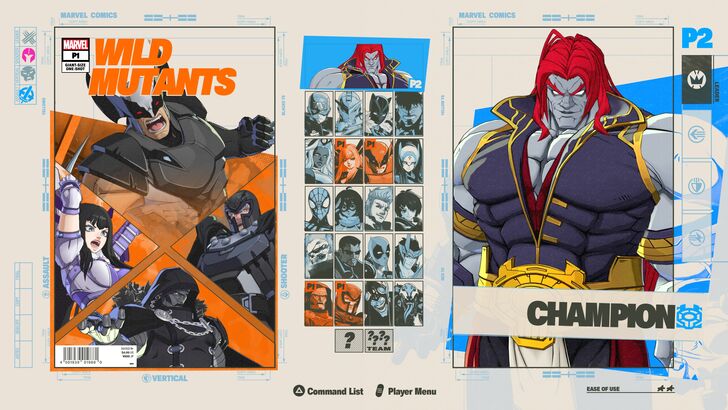
Marvel Tokon: Fighting Souls is a tag-team based fighting game developed by Arc System Works and published by Sony Interactive Entertainment. Marvel Tokon: Fighting Souls is a 2D tag team fighting game based on Marvel’s most iconic heroes. It revolves around building a team of 4 characters and fighting to reduce the opponent’s health bar to 0, with players starting each game with one main character and one "assist."
Marvel Tokon: Fighting Souls features:
⚫︎ 4v4 Tag Team-Based Fighting Game Gameplay
⚫︎ A roster of 20 characters from across Marvel Comics
⚫︎ Online multiplayer, both ranked battles and lobbies
⚫︎ A hybrid anime-meets-comic books art style
⚫︎ A fully original story starring iconic Marvel heroes
| Digital Storefronts | |||||
|---|---|---|---|---|---|
 Steam |
 PS |
||||
| $59.99 | |||||
Marvel Tokon: Fighting Souls Review | A Marvelous Fighter On Most Fronts
A Brand New Day for Marvel Fighting Games
It has been a strangely great time to be a fan of both Marvel and fighting games. The two have shared a long, storied past, with Marvel being a crucial progenitor in the genre’s history. But since the failure of Marvel vs. Capcom Infinite, both have flourished independently of each other for nearly a decade. Marvel Tokon’s release, then, feels like a long overdue reunion, and the result is a symbiosis that feels different but remains stronger than ever.
Marvel Tokon: Fighting Souls is a 4v4 tag-team fighter that, so far, fits in with the storied lineage of Marvel fighting games in a different way. Its new take on tag-fighters, such as its progressive Assist and Assemble system, is reminiscent of how Marvel’s fighters consistently pushed the genre’s boundaries and tested how players interact with their mechanics. The result is a game that feels wildly out of step with its Marvel tag-fighter predecessors entirely, but on its own merits it retains the stylish flair and exhilarating combo style that Marvel fighters are known for.
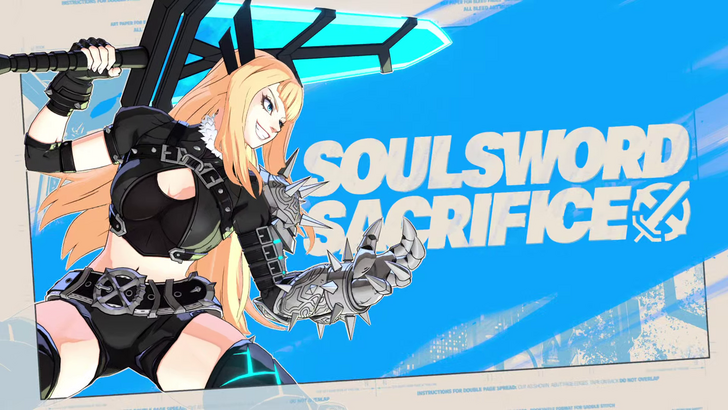
More than that, what ultimately makes Marvel Tokon so compelling is its clear, deep love for both the Marvel Universe and fighting games as a whole. Marvel Tokon is full of such an infectious admiration for comic books and fighting games that it remains a fun time for fans of both, and even for complete newcomers there is enough style and flair here to impress even the most cynical audience. It’s a beautiful, deeply intricate fighter that can be a bit daunting for newcomers and jarring for veterans, but when it clicks it’s nothing short of marvelous.
First Steps into a Fantastic 4v4 Fighting System
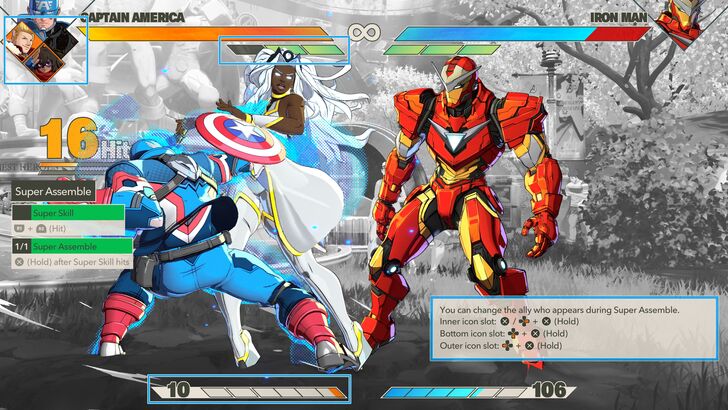
Tag fighters are, notoriously, one of the hardest subgenres of fighting games around. Fighting games are already difficult enough when controlling one character, but controlling up to four at a time while also implementing the genre’s lengthy air combos can make them infinitely more challenging for the average player. Still, tag fighters have persisted in popularity due in no small part to their near-limitless skill ceiling and flashy, exciting combo structures, and Marvel Tokon leans into this strength handily.
Developed by Arc System Works (Arc Sys), perhaps the most prolific fighting game developer of the past decade, Marvel Tokon belongs more to Arc Sys’s anime-style lineage than to any of the Marvel fighters that came before it. As a result, Tokon’s gameplay mechanics are simple, intuitive to learn, and still retain the complexity and skill expression that tag fighters are built upon.
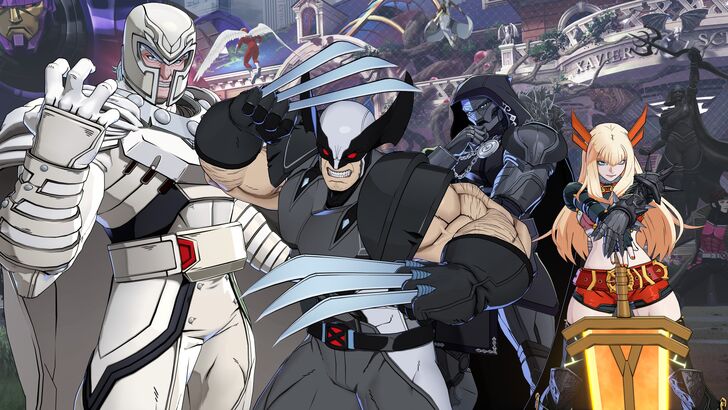
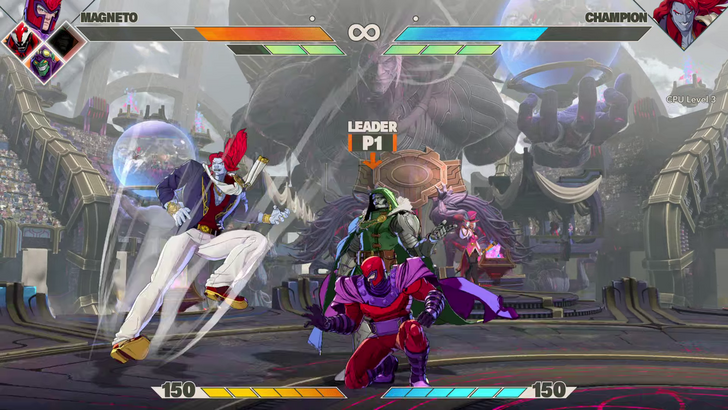
Let’s just get this out of the way: this game is not Marvel vs. Capcom. It can be strange, surreal even, to see characters like Wolverine, Storm, and Mag-freakin-neto move with a certain sluggishness, especially when you’ve seen the same characters move at blistering speeds in older Marvel vs. titles for more than a decade now. But that slower pace is the point.
Tokon is less Marvel vs. Capcom 2 and more Blazblue: Cross Tag Battle, but it still leaves a lot of room for aggression and dangerous mix-up situations.
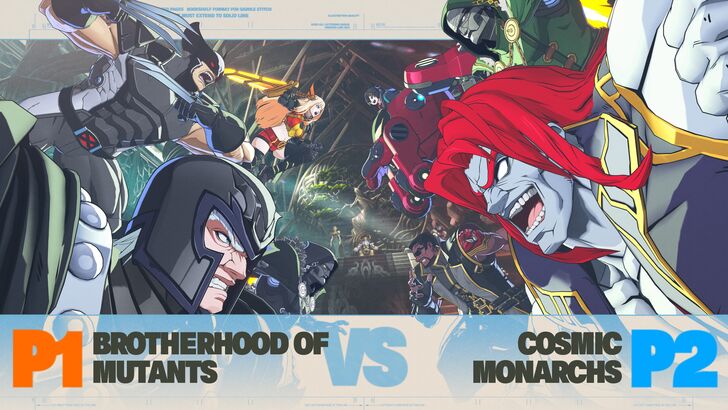
In fact, aggression still seems to be the main focus of Tokon’s neutral and overall gameplan. Characters are often designed to maximize their advantage state, whether through constant zoning pressure, safe blockstrings and assist sequences that lead into high-low mixups, or mid-range keepout normals that convert into massive combos. This is nothing new, and getting to snowball an opponent remains as fun as it does in games like DragonBall FighterZ or even Ultimate Marvel vs. Capcom 3.
What makes Tokon so fun, then, outside of its flashy and intuitive combo system, is its focus on the "Unique" character-specific mechanics. Marvel Tokon incentivizes players to understand their favorite characters on a fundamental level through character-specific installs and meters that open up their skill ceiling entirely. Whether it’s using Doom’s shield to bounce around your opponent and toy with them like a madman or Magik’s portals to teleport around the stage, these Unique moves are the crux of a character’s gameplay identity and are worth learning regardless of who you play.
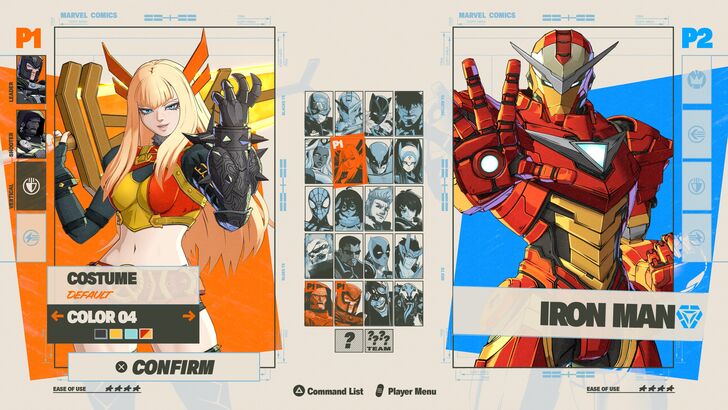
Another unique aspect of Tokon’s tag-fighter philosophy is its Assist system, specifically the Assemble gauge. Calling upon assists in Marvel Tokon depends on the Assemble Meter, which refills over time and unlocks gradually as more assists become available in a match. I can appreciate that Tokon approaches calling assists as a resource to use more deliberately, given how strong they can be in blockstrings and pressure. It’s a worthy trade-off to just how much Assists help control the neutral and make combos that much more fun.
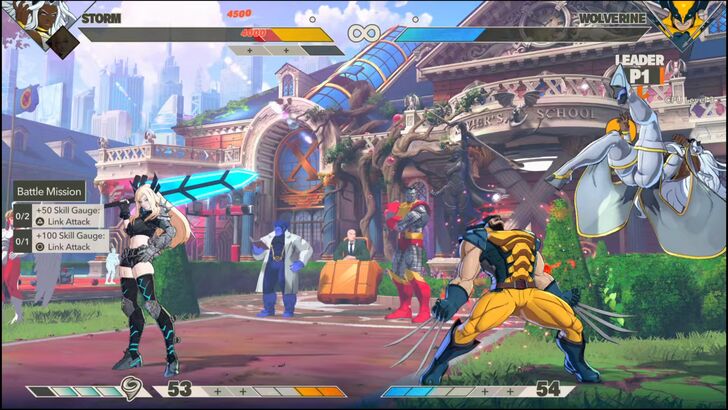
There is, unfortunately, a bit of restrictiveness that plagues Tokon thanks to its slower movement and relatively restrained defensive options. It is quite easy to snowball less experienced players and, conversely, get snowballed yourself by stronger opponents. This is certainly par for the course for tag-fighters (anyone who's been put in the blender by UMvC3 Dark Phoenix can attest), but games in the genre usually have stronger movement and/or defensive options to mitigate this.
The input buffer for certain moves, most notably DP/623 inputs, can also get finnicky, and as a whole I've had a couple of moments where I'd have my inputs eaten or interpreted incorrectly. Even with these strange flaws, the foundations for a great, unique tag-fighter are here, and with a bit more sprucing up Marvel Tokon will play like a dream.
Marvel Tokon’s Roster Has the Sauce
What do a great fighting game and a delicious bowl of pasta have in common? They both have sauce - and Marvel Tokon is dripping with sauce.
Let’s back up here a bit. For the uninitiated "sauce" is a fighting game term which refers to a game’s stylishness and cool factor; the ability to allow players to do cool stuff and express themselves through the game mechanics, aesthetics, and character design. The best fighting games, in my opinion, allow their players to express themselves through combat effortlessly. Marvel vs. Capcom, for instance, was the torchbearer for saucy, deeply expressive fighting games, while Avatar Legends: The Fighting Game proves that the FGC still has an appetite for it. With Tokon’s incredible character design and already solid system mechanics, Tokon easily joins the platter.
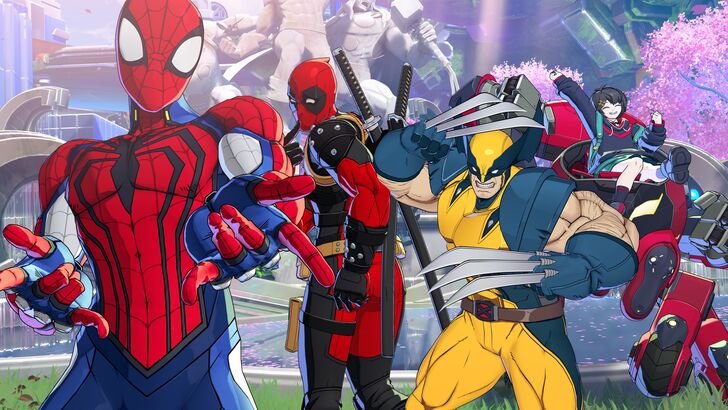
Tokon’s character roster is nothing short of perfect, both for fighting game players and for Marvel fans. Each character feels meticulously designed with kits that not only reflect a specific playstyle but also their powers, abilities, and comic book histories as a whole. For instance, Magneto, my actual main, is a zoner with a moveset that actually reflects his magnetic abilities through his main fireball being a giant ball of scrap metal. Meanwhile Star-Lord, a character I don’t even play that often, finally has his "elemental" blasts from the comics represented, and they make for one of the most stylish movesets in a roster full of flair.
Every character has a fully rounded out kit of normal attacks, special moves, super moves, and unique attacks that influence the properties of their whole moveset. This can be overwhelming to learn at first, but they’re all in service of a character’s specific gameplan and game design.
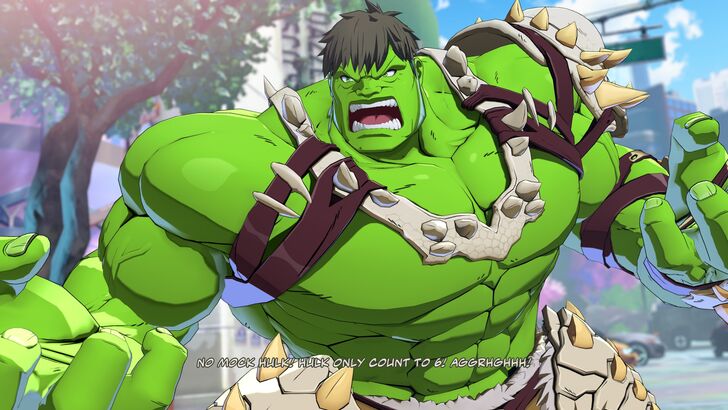
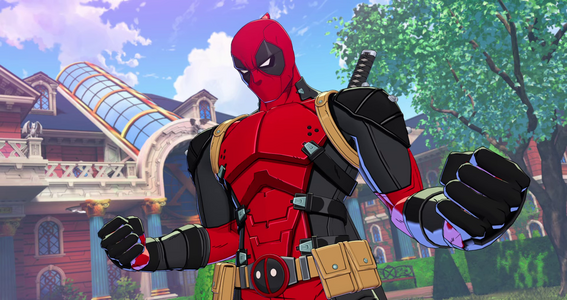
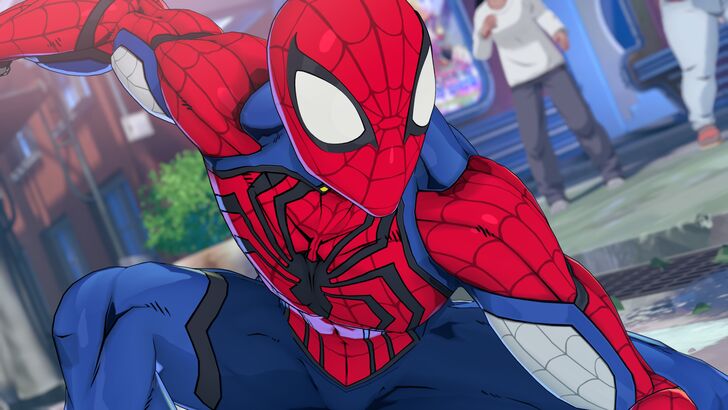
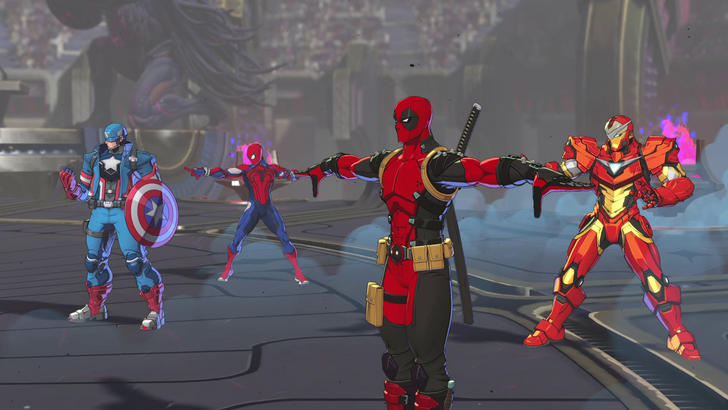
Magik’s long sword slashes and portals are daunting at first, but they’re specifically designed to solidify her as a mid-range demon with fantastic setups during matches. This is also true for Spider-Man’s web-zips, which reflect his rushdown playstyle, Storm’s ability to control the weather and her projectiles reflecting her technical setplay. Deadpool deserves special mention thanks to his incredible moveset, an amazing tribute to fourth-wall breaking and fighting game history (especially with that beautiful EWGF) that reflects his playstyle as a chaotic, jack-of-all-trades.
As you’ve probably pieced together, each character I’ve described has an archetype that perfectly reflects their personalities as characters. It’s such a deep understanding of these long-established and beloved Marvel heroes that’s translated and executed so well that it remains incredibly compelling. Not even Marvel’s latest multiplayer offering, Marvel Rivals (a game I love dearly), has been able to translate the superhero fantasy into faithful, intricately designed movesets to this level of detail and consistency.
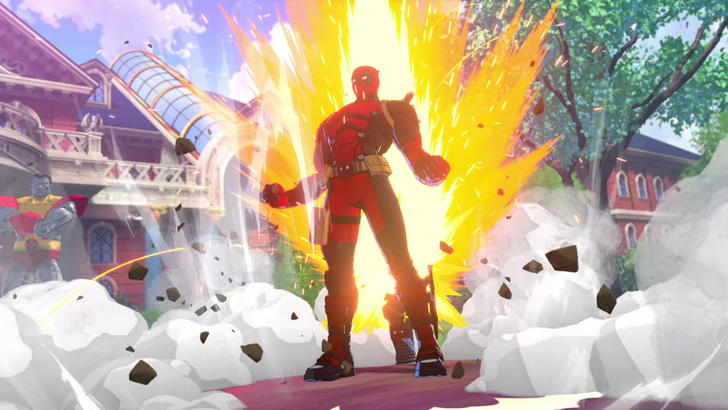
This level of attention to the character designs, alongside the rock solid gameplay foundation and its focus on combos and aggression, leads to Tokon being incredibly self expressive. I still maintain that the Fantastic Four should've been here from the start, but the character design so far makes me trust that when Reed and his family do arrive, they’ll be handled with the same level of detail and love.
Tokon’s character design is what gives the game the sauce it needs to stand out. The fact that its system mechanics and teambuilding are already good means that every team and every player will control a specific character in their own, unique way. I’ve personally struggled to round out my team, since I just want to try and play every single character and dive deep into how they work. That, more than anything, feels like the mark of a great fighting game roster to me.
A Whole New Battleworld
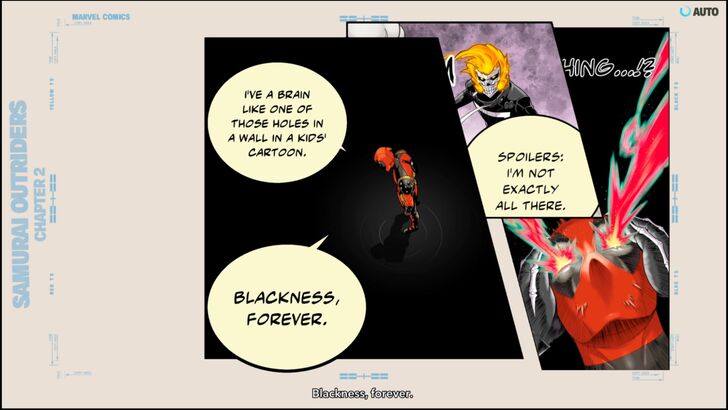
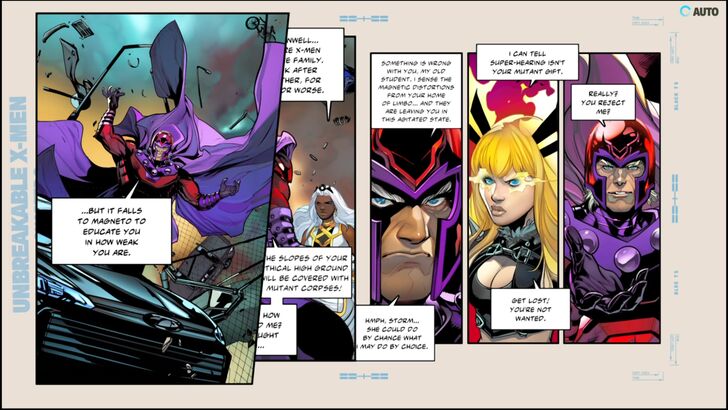
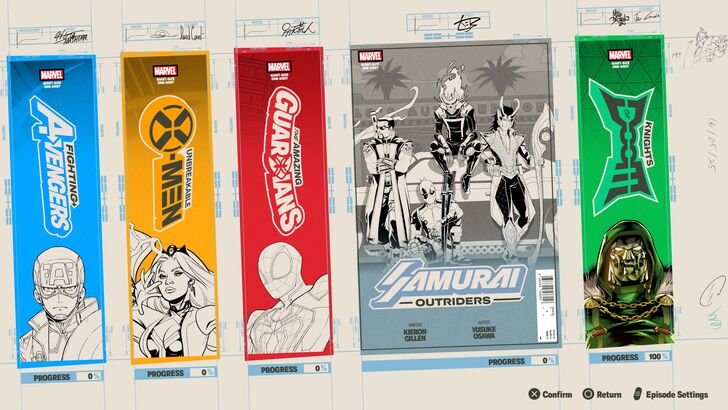
Marvel Tokon doesn’t have a centralized narrative, and in its place is something I find to be much cooler. Instead, each main story team has its own campaign in the "Episode" mode, and each one is stylized like a separate comic book run, complete with comic style panels for their main story. It feels like reading through a massive crossover event, and just with that presentation style, Tokon’s story has already won me over.
Marvel Tokon takes place in an off-shoot of the main Marvel comics timeline that retains certain parts of the 616 comics universe, but sees them shot out of balance thanks to the arrival of The Champion of the Universe. After his victory over the Shi’ar Empire, The Champion has his sights set on Earth and its many warriors. There’s no set starting point for Marvel Tokon’s campaign mode, though it feels like the Fighting Avengers storyline is the easiest place to start.
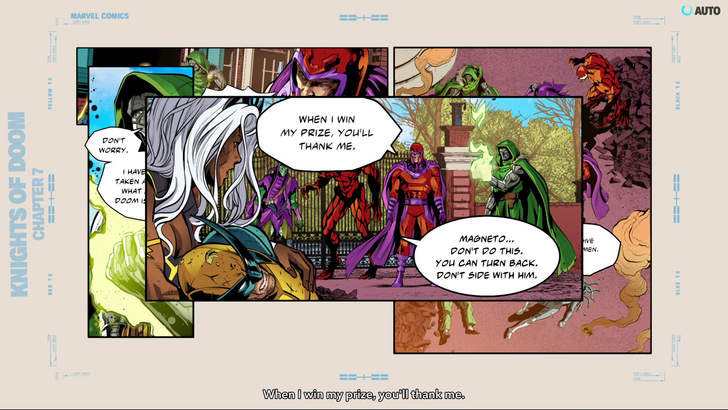
Tokon’s storyline has the same story structure core premise: seeing how these characters have come to work together to defeat The Champion. Binging through these Episodes can feel a little repetitive and tedious as a result, since you tend to notice the similarities between storylines rather quickly. Thankfully, the content and the heart of these Episodes remain distinct and true to the ethos of each team and their comic history. The Avengers Episode is a classic, uplifting superhero romp, the X-Men Episode is slightly more morose and deals with bigotry and discrimination, the Samurai Outriders Episode deals with the feeling of being an outcast, and so on.
Across the board, Tokon’s Episode story modes have been written stories that, while identical in structure, showed a lot of personality and a deep love and mostly consistent understanding for the characters. Kieron Gillen’s proficiency for dialogue, especially in Marvel storylines (as seen in his excellent work on both the Loki "Journey into Mystery" and the Krakoa-era "Immortal X-Men" books) shine through with every character, and despite the narrative simplicity the stories still work.
Marvel Tokon’s Episode modes are fun little love letters to the main characters of their respective teams, while serving as good introductions to core Marvel characters for newcomers. Doctor Doom is appropriately petty, conniving, and egotistical, Robbie Reyes’ struggle between kindheartedness and viciousness is well-represented, and Deadpool’s fourth wall breaks and jokes are somehow still hilarious. The stories don’t take themselves too seriously, and they even take the time to insert pockets of characterization for each character on the team.
This focus on characterization, unfortunately, seems to be just a tad bit too uneven for my liking. For instance, Magneto, my personal favorite comic book character of all time, feels strangely naive and out of character in his allegiance to Doom (something the story itself calls out). Ms. Marvel also feels a bit too "fangirl-y" for my liking, constantly gushing at every iconic hero she sees, but she serves a great role in her team’s story regardless. Nonetheless, Tokon’s story is still a success for the most part.
Gorgeous Visuals That Spell Doom For Underpowered PCs
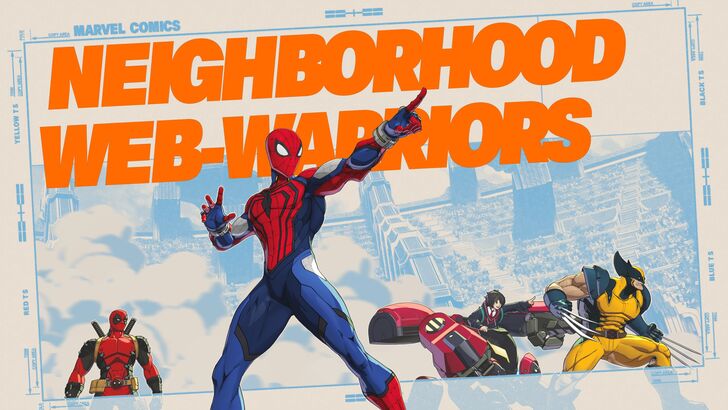
The thing that stands out most about Marvel Tokon, and what makes it such a joy to play apart from the positives I just mentioned, is its visual style and art direction. Marvel Tokon, simply put, looks incredible. Marvel characters translate surprisingly well to the semi-anime, Japanese culture-inspired Arc Sys art style, and their redesigns in this game range from straightforward, beautiful recreations of the comic book looks to genuine improvements upon their original visuals.
Marvel Tokon’s design philosophy seems to mostly understand where the game can take creative liberties, and where they can mostly stick to the classic designs. Characters like Magik and Doctor Doom, who remain faithful to their original looks, are visually perfect (Doom himself would argue that his outfit is too perfect to improve upon, and Tokon makes a great case for it). Meanwhile, redesigns like Blade’s samurai-inspired garb and Danger’s magical girl transformation are excellent and show where Tokon’s visual style truly shines, even if it doesn’t quite hit the mark for every character like Spider-Man.
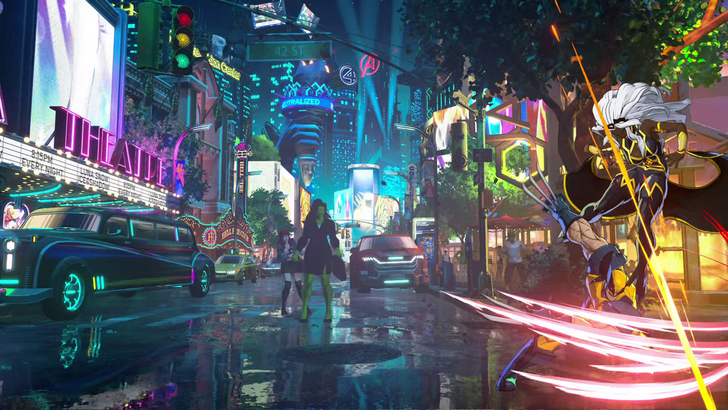
Crucially, every character is beautifully animated and conveys the range and startup of their moves well. Attacks and their hitboxes are consistent and convey their startup frames quite effectively, especially for longer attacks like command grabs. Special and Super moves also look and feel great to hit, the latter of which can be quite cinematic. It helps that, even as a 4v4 fighter, the screen is never quite filled with visual clutter to the point of confusion, though the jarring camera transitions into the cinematic Assemble moves will take some getting used to.
The stages are also gorgeous settings for combat altogether. Taking place across the Marvel universe, every stage feels alive and contains fun easter eggs to the greater Marvel Universe, from Fogwell’s Gym and Nelson and Murdock taking up space in New York to the different members of the X-Men hanging out in the background of the X-Mansion.
There is, unfortunately, a crucial caveat that bears mentioning even if this review covers the PlayStation 5 version. Marvel Tokon’s PC port still remains mostly unplayable for a sizable number of players on the platform, despite promises to fix this after the open beta.
The game’s PC port has been plagued with performance issues like slowdown and frame drops (an issue I faced when trying to play the Open Beta on my PC), thanks in large part to Sony’s proprietary software, and it remains a notable issue. It’s not a hardware issue either, as players with significantly powerful PCs have reported struggling to run the game at all. These performance issues do not affect the PlayStation 5 version in most cases which runs at a stable and smooth 60FPS throughout.
The only time Tokon’s PC problems start rearing its head across consoles is when online is involved. For the most part, Tokon is a solid fighter on PlayStation 5’s online, with the rollback netcode functioning as it should.
Playing with people on the PC version does, unfortunately, make the frame drops, lag spikes, and slowdown appear quite frequently. Turning off crossplay is technically a solution, but it closes off a significant portion of the playerbase, and Tokon’s online experience is hurt as a whole.
Is Marvel Tokon: Fighting Souls Worth It?
Yes if You Love Marvel and Fighting Games, But Only on PS5 For Now
Marvel Tokon: Fighting Souls is an incredibly stylish and deeply intricate fighter that has kept me in the lab and on the ranked ladder since it was released. It’s a great fighting game for beginners to learn while still containing enough complexity for veterans to sink their teeth into, but it's worth noting that this is a highly specific audience. If you’re a Marvel fan or casual gamer who doesn’t care for high octane, technical action that will eventually leave you scrambling, this might not change your mind.
Regardless of skill level, though, the more important caveat here is that as long as the PC version remains unplayable for most of the playerbase, this recommendation and glowing praise strictly applies to the PlayStation 5 version. Thankfully, Sony and Arc System Works seems to be listening and working on optimizing Tokon across the board, with a recently released patch addressing CPU usage on PC. Marvel Tokon is a special, beautiful, and exciting fighting game, and its future continues to look bright.
FAQ
Do I Need a PS+ Subscription to Play Marvel Tokon: Fighting Souls Online?
Yes, a PS+ subscription is required to play Marvel Tokon: Fighting Souls online, but only for the PlayStation 5 version. Online multiplayer is free on Steam.
Game8 Reviews