
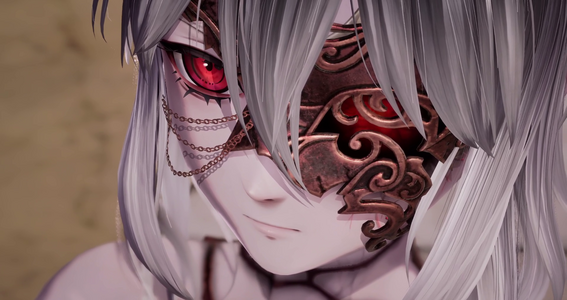




Code Vein 2: Mask of Idris is the first expansion for the 2026 soulslike, Code Vein 2, featuring a massive side story and many new additions to player buildcrafting possibilities. Check our what it did well, where it fell short, and our review of the DLC.

| Digital Storefronts | |||||||
|---|---|---|---|---|---|---|---|
 Steam |
 PS |
 Xbox |
|||||
| $89.99 | |||||||
Code Vein 2: Mask of Idris Review: So Much Awesome New Content, So Little Room to Wrap It All Up
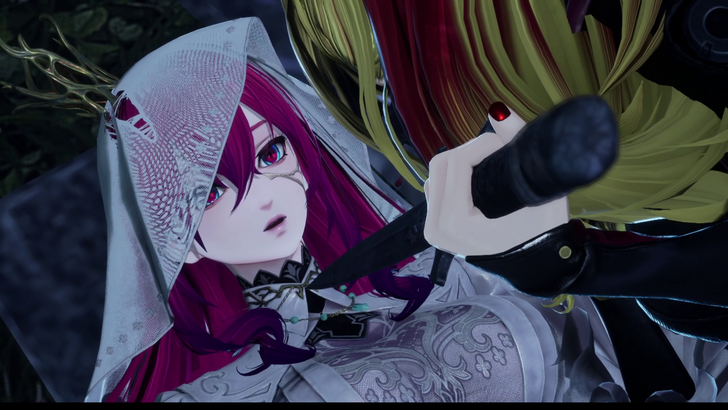
To say that Code Vein 2 launched to a lukewarm reception is quite the understatement. The game suffered from numerous problems at launch, chief among them its absolutely terrible optimization. And that was a big one: people can agree, disagree, or agree to disagree about its story, gameplay, and audiovisuals, but everyone is equal under %age frame drops.
Many, many moons later, and after almost just as many performance fixes, Code Vein 2 finally receives its first expansion: the Mask of Idris DLC. And oh boy is it big. Released alongside the free Version 2.0 update, which adds its own substantial batch of content, the DLC arrives as part of a much larger package than the expansion itself might suggest. And of course, it also comes with a number of major optimization fixes as seasoning.
For reference, narratively speaking, Version 2.0 adds an Afterstory, while Mask of Idris adds the, well, Mask of Idris post-game questline.
As a result, despite Code Vein 2: Mask of Idris supposedly being a narrative-focused expansion, it feels like much more than that. It’s as if the developers got carried away during development and ended up adding so much content that the DLC also doubles as a post-game challenge expansion.
Ironically, though, all that extra content may have come at the expense of what the DLC originally set out to do. Version 2.0 tries to wrap up the base game’s original ending while Mask of Idris introduces an extensive side story, but neither gets quite as much room to breathe as it could have. With so many new toys competing for attention, the narrative feels somewhat squeezed in. Regardless, Code Vein 2: Mask of Idris is undoubtedly worth upgrading for.
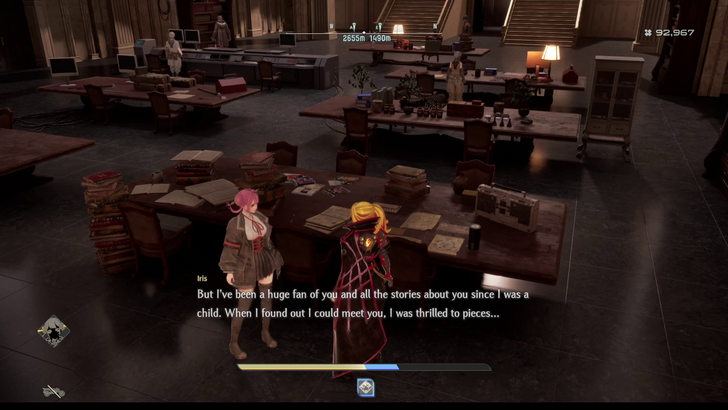
Oh, by the way, I'll be talking about both the paid Mask of Idris DLC and the free 2.0 update at once because it's important for context. In a way, they are meant to be experienced together due to how a handful of characters, including the new companion, Liv Voda, are connected to both.
WARNING: Heavy spoilers for the version 2.0 and Mask of Idris DLC story ahead
Witness the True Aftermath of Your Adventure
Base Code Vein 2 has three endings, each of which unlocks the next as you continue the same playthrough. With only a few hours separating each conclusion, experiencing all three is thus accessible even to the most active social butterfly among us (certainly not me).
The story’s pacing, however, is another matter. There are two primary reasons for this; one is that the Code Vein franchise’s defining feature is having powerful AI-piloted companions accompany you throughout most of your adventure. Secondly, this installment adds its own particular quirk: your companions are people who have shared a piece of their heart with you so that they can assimilate with your body at will. As a result, the protagonist needs to form an intimate connection with each era’s central character early on so you can make use of the franchise’s core feature in the first place.
Narratively speaking, these connections are the major payoff of their respective early arcs. But because these are forced very early on, the problem becomes that they arrive far too soon to feel properly earned, leaving the story with little room to set them up.
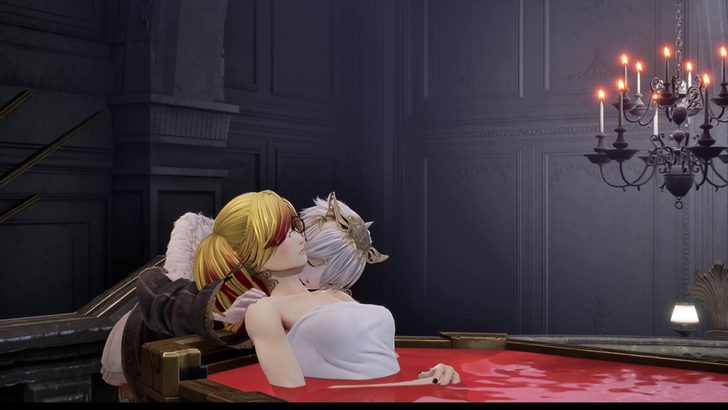
This pushes subsequent developments much later, lest they overshadow the previous one's denouement. It's an understandable compromise for a game built around AI companions, but it leaves the base game's climactic finale with little room for a proper falling action or epilogue beyond a single stage and cutscene.
Version 2.0’s new narrative content addresses this directly, expanding the third and true ending and letting you see the world a hundred years after your ultimate sacrifice.
…Though it’s not so ultimate now that you’ve been revived, huh?
The new era, dubbed the Era of Harmony, is the culmination of all your hard work. Though monsters still run rampant, stories of your heroism and martyrdom—a normal human standing alongside the vampiric revenants who used to capture humans as blood bags—have inspired both races to put their differences aside and work toward a better tomorrow. A century of collective effort afterward has made select regions, particularly those influenced by you and the people carrying your will forward, much safer.
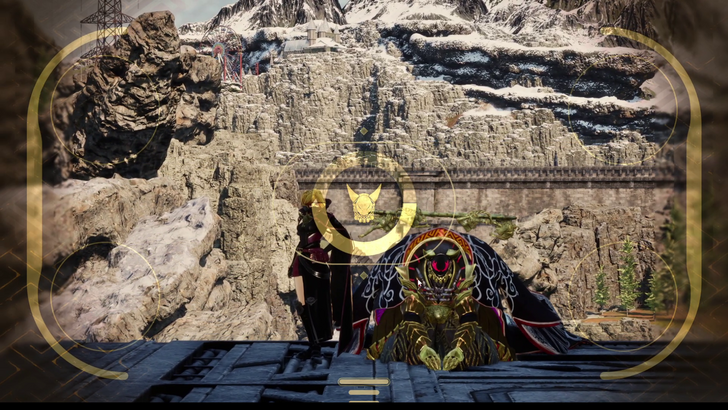
What makes this more than a nice epilogue is that you can actually see the difference. Roads once exclusively roamed by horrors now sometimes have armed soldiers keeping them safe, for example. Even the new side story commits to its own ending by not respawning essential characters after you’ve said your goodbyes. These are small touches, but they make the world feel as though it has continued to exist beyond the player’s immediate involvement.
That matters in a game that can otherwise feel repetitive by design, what with the need to optimize farming routes and such. By showing how effort can change the world, this update makes its setting feel much more organic and alive, and gives your adventure a sense of consequence that extends beyond its final cutscene.
Forsaken Lou is a Spectacularly-Written Character
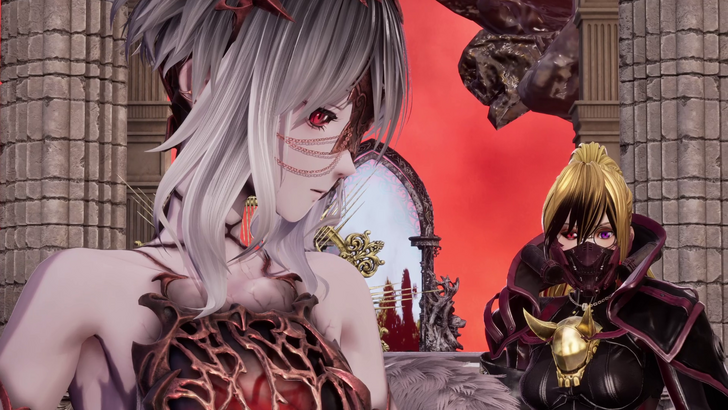
The second and much more important narrative addition is the actual Mask of Idris storyline. It begins with your meeting with Liv, the possessive and violent sister of your revenant companion Valentin Voda. After a tussle that somehow earns you her affection (because she’s crazy and I love her), you explore a dimensional rift that’s anomalous not just in size, but also in its properties.
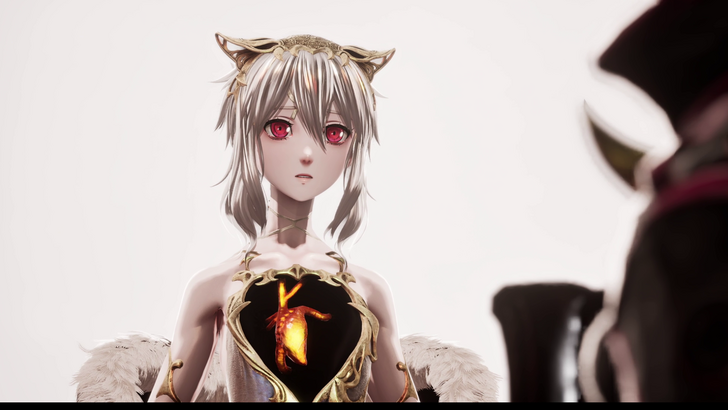
Inside, you meet a twisted version of your main partner and closest companion, Lou (who we’ll call Forsaken Lou to avoid confusion). She explains the circumstances of her world and asks for your help defeating its threats so she can erase everything it created, including herself.
That’s the story in a nutshell, but the questline is far from a disconnected detour. It builds on the base game’s central conflicts through a series of tragic “what if” scenarios. The second boss, for example, explores what might have happened to Josée and Lise’s mother if Lise hadn’t survived their escape from a family that wanted their mother to kill one of the twins.
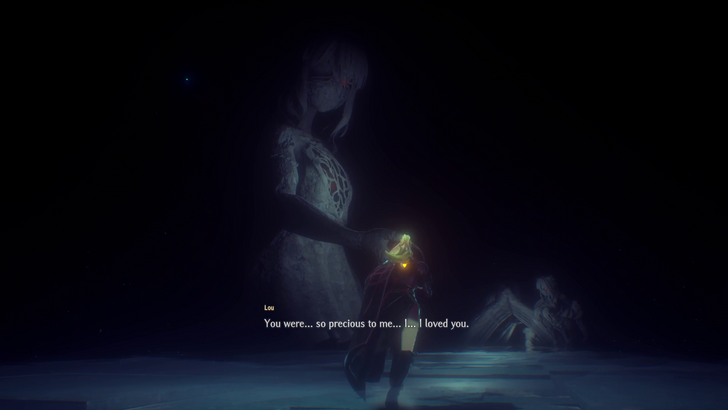
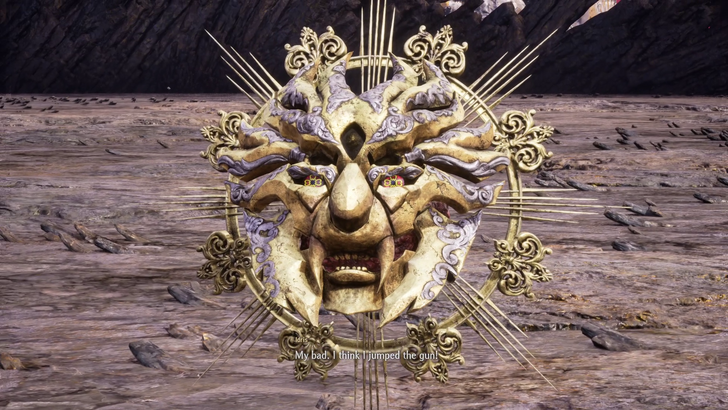
More importantly, Forsaken Lou comes from a world where you two failed to save it. And despite experiencing the majority of the base game as the protagonist, you’re practically a supporting character here alongside Liv and Mr. Mask, a floating, gilded lion head. That’s good, because some stories don’t require the protagonist to be the central character. And in this case, it’s necessary, because the Mask of Idris is actually Forsaken Lou’s story.
Sure, you do all the heavy lifting, beating up the alternate-timeline bosses and breaking through the final seal needed for Forsaken Lou to do her thing. But everything you accomplish is ultimately just a means to an end: helping Forsaken Lou reach her own death. And there’s nothing you can do about it.
That helplessness is, I believe, the crowning glory of the questline. And near the end, just as you start hoping that everyone will somehow survive, the final scenes cut you off with perfect timing.
| CHARACTER | DESCRIPTION |
|---|---|
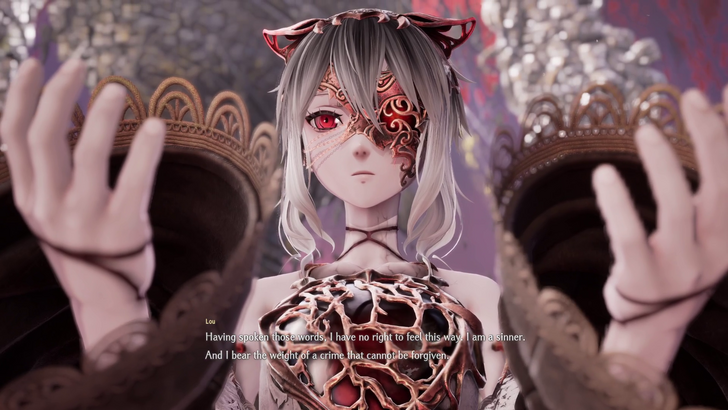 |
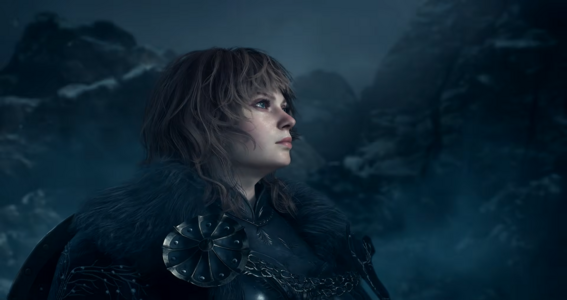
Forsaken Lou, a twisted form exclusive to the Forsaken Lands of your partner Lou |
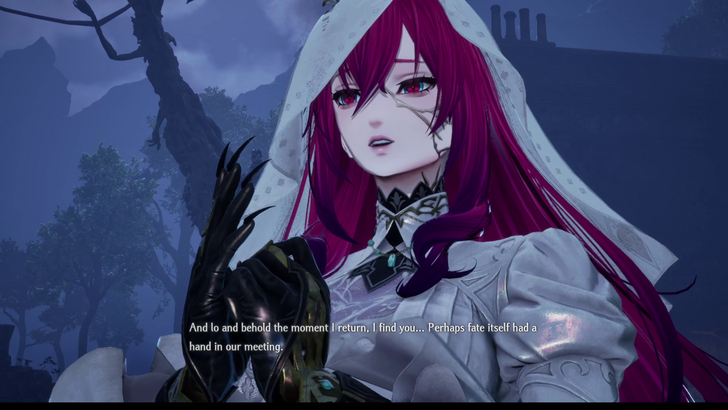 |
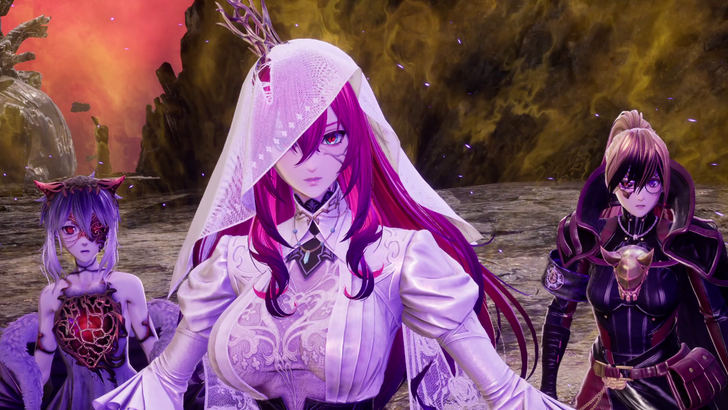
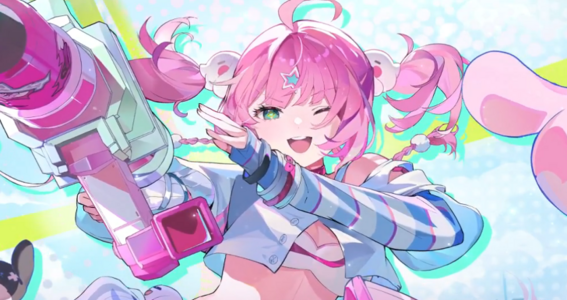
Liv Voda, sister to your companion Valentin Voda and, by extension, to Lou |
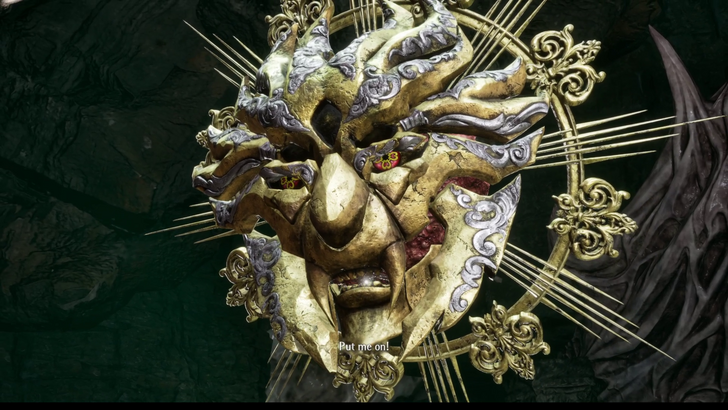 |
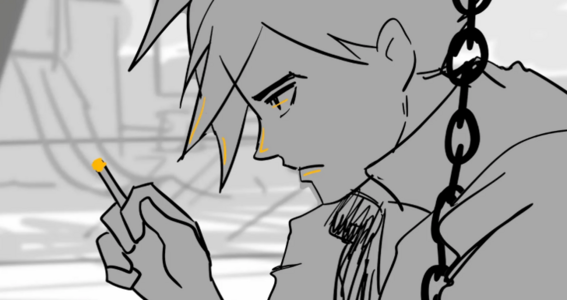
Mr. Mask, a mysterious floating head with an almost supernatural capability to read the mood |
Forsaken Lou was never going to survive. And when she explains why your timeline survived while hers didn’t, everything falls into place. This was never really about finding a way to save Forsaken Lou, but understanding why she became the person who outlived her own world in the first place. Her fate isn’t some arbitrary tragedy thrown in for emotional impact; it is the direct consequence of the one decision that separated her timeline from yours:
Your Lou harbored the same emotions, but respected your commitment more. She allowed you to die with her rather than trying to save you, giving your timeline a different outcome through a single, heartbreaking decision. Forsaken Lou, meanwhile, at least for that one instant that mattered, loved you more than she respected your actions, grasping at the sliver of possibility that you might live a little longer—even if everyone else had to die for it.
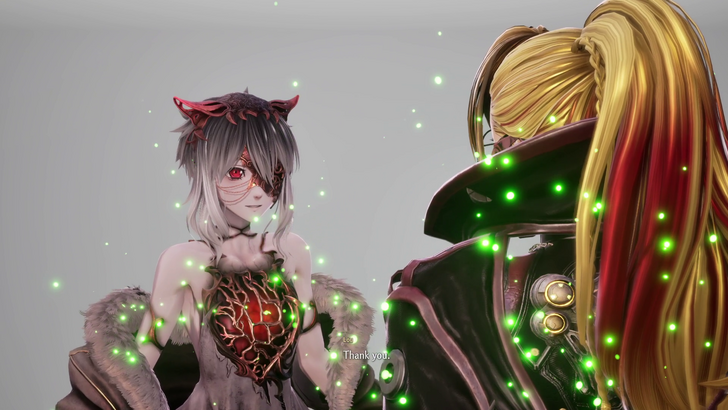
This one, single event makes that one moment back in the original story gain much, much more importance. And honestly, that was enough to elevate Lou from 3rd place in my Code Vein 2 Companion Tier List (right below Zenon) straight into 1st. Sorry, Josée.
Seriously, though. In a way, this gives Lou, as a character, something she sorely lacked in the main story: individuality. For once, we get to see her do something that’s truly of her own accord, rather than simply going with the flow of being your companion… even if she’s not exactly the Lou we spent forty-odd hours with prior to the DLC. And that’s the real payoff of this questline.
P.S.: You can still use Forsaken Liv as a companion after the side story, so at least that's a thing.
Important Foreshadowing Had to Be Skipped
Unlike most major updates, which focus on expanding a single aspect of the base game’s narrative, the version 2.0 that The Mask of Idris DLC came with adds both an afterstory for the true ending and a post-game side story. The downside, however, is that neither gets all that much room to breathe: the former consists of a handful of short missions for each companion, while the latter is confined to a single questline.
Think of the entirety of the update’s narrative content as a pool of mana. If you had fifty MP to spend, creating the afterstory might cost fifteen, while the side story would take up the remaining thirty-five. That’s roughly how the DLC divides its narrative content. But imagine if you could spend all fifty MP on either one, then we’d have much more of either story to explore.
And unfortunately, the side story sorely needed the fifteen mana we spent elsewhere. That’s because most of the resources it did receive had been thrown into creating the four-and-a-half stages (because the last one’s just a straight path to an arena) the story is set in. This leaves the narrative itself rather bare aside from the core scenes that pushed the plot forward.
This is obviously a problem for a narrative as deep and complex as the DLC’s, and for characters as nuanced and multifaceted as Liv, Forsaken Lou, and Mr. Mask.
The best example of this is Mr. Mask’s identity reveal near the end of the scenario. More than just the mood-setting, best-friend type who can read the atmosphere to an almost fourth-wall-breaking degree, his real identity is significant enough that he could have been the main character here if not for the setting.
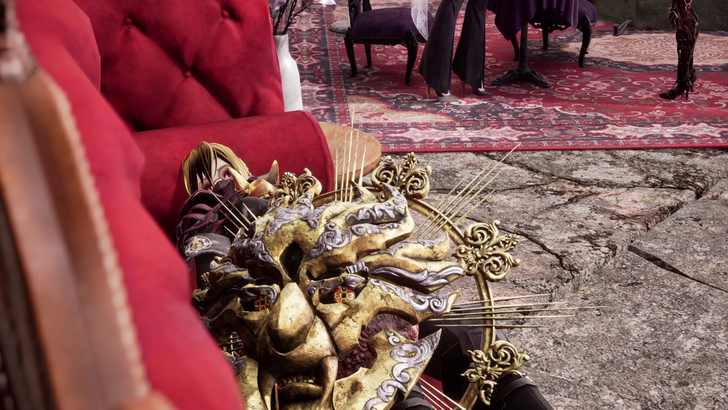
Unfortunately, not only is this revealed too late, but there are practically no scenes that allude to it beforehand, aside from a few offhand remarks he makes after boss fights. If, instead, we had more exposition gradually exploring Mr. Mask’s past, we could have gained a better appreciation of his role in the story, or perhaps even asked questions about things relevant to our own timeline. But since that’s not the case, it’s extremely difficult to appreciate his identity reveal beyond being baffled by the feeling that it was simply winged.
If it were me, I would have split this update into two major installments. Version 2.0 could be the afterstory alone—more expansive, this time—where you could not only undertake small side quests with each companion and reminisce about the events that unfolded during your slumber, but also embark on a more significant quest that’s been troubling them all until then. That would not only accomplish the whole “trip down memory lane” for our companion revenants through the protagonist’s point of view, but also make it clear that the Era of Harmony they’ve created is still a work in progress; a fact they themselves admit, much to their shame, as they wanted to gift you so much more.
And, later on, we could get the actual Mask of Idris DLC storyline, proper foreshadowing and all.
Still Code Vein 2, but Chunkier
Unlike some major game expansions such as Granblue Fantasy Relink: Endless Ragnarok which introduce entirely new mechanics and features to work with (and abuse), Code Vein 2: The Mask of Idris doesn’t do anything of the sort. To be fair, though, this is more of a big story DLC than a proper expansion, but we’re splitting hairs here.
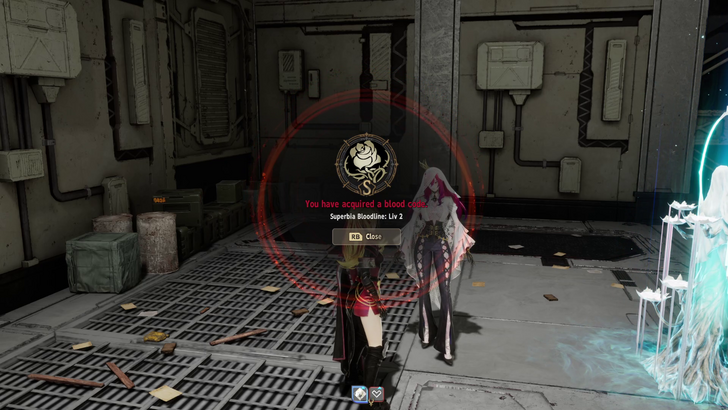
Instead, perhaps because the developers couldn’t hold themselves back, we get more weapons, Blood Codes (classes), Jails (armor), and other gear with the update. And not just a dozen of them in total, mind you. Try almost a dozen each.
More importantly, most of these additions aren’t just simple content filler. Take the new Jails, for example. While they’re aesthetically just a recolor of the original Jails (which is kinda disappointing), each piece in the Tainted set has a unique property that swaps your highest stat with a specific other stat, depending on which one you equip. So if your Blood Code gives you 35 Fortitude and you equip the Strength-tweaking Tainted Ogre Jail, your Fortitude becomes your Strength, and vice versa.
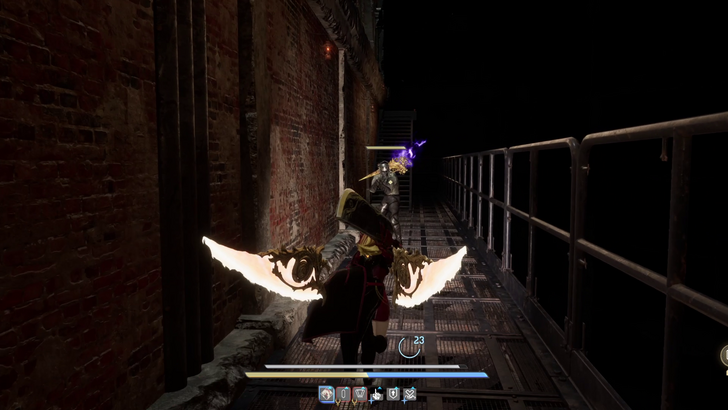
This is a massive deal for anyone who likes to experiment with Bequeathed Formae and Weapons. That’s because it lets you take the stats and unique passives of any Blood Code and make them pair well with practically any kind of gear—as long as you equip the necessary Forsaken Jail to match the stat that gear scales with, at least.
Take Josée’s new Blood Code from the Version 2.0 update, for example (her Concordia Fraterna Blood Code). One of its effects allows you to have both the Glutton’s Heavyblade two-handed sword and the Glutton’s Eyes rune blades active simultaneously, just like Josée herself. However, because that Blood Code’s primary stat is Strength, which the Glutton’s Eyes don’t scale with, you can’t really make much use of having both weapons equipped at the same time beyond increasing your ability to stagger. But if you pair them with the Tainted Bat Jail, which swaps your highest stat (Strength) with Mind, the stat both weapons scale with, you can use them much more efficiently.
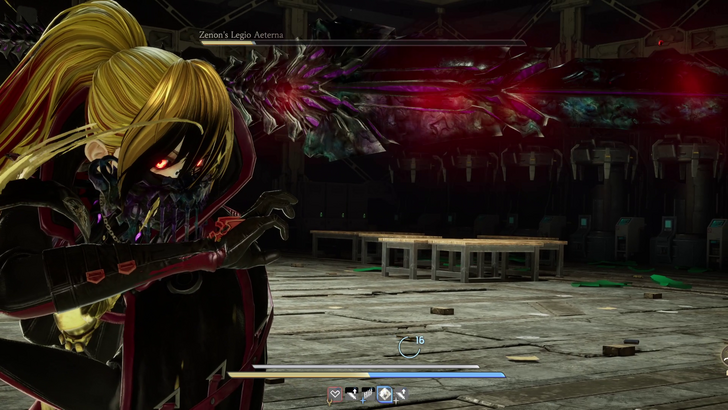
That’s not even close to the limits of what you can pull off with the new Jails. And we haven’t even talked about the dozens of new Blood Codes, Weapons, Boosters, and Shields from the free Version 2.0 update and the DLC together, let alone how they can interact with one another—lest this section alone take up its own dozen pages in my Google Docs.
Honestly, if Code Vein 2 keeps this pace up with the next DLC and beyond, I might even start arguing that the $20 upgrade to Deluxe is too cheap for its own good.
Enemies and Maps Don’t Scale Well for High Level Players
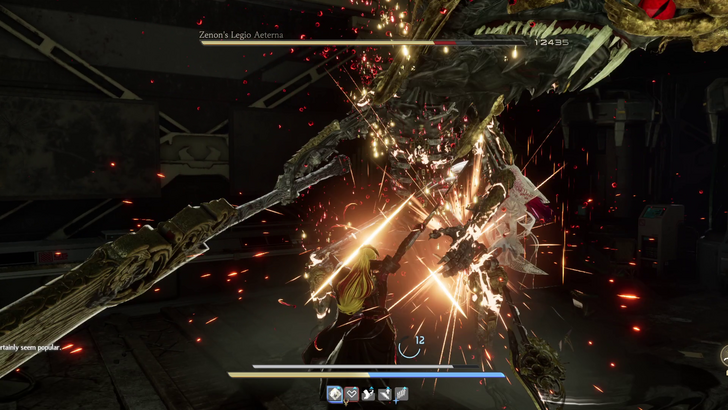
Unfortunately, despite being post-game content, the Mask of Idris DLC’s enemies and bosses don’t scale to the difficulty you’d expect. This is especially true of the first couple of stages, which can feel even easier than the final few areas of the base game.
There are a few reasons for this, but the most important one is that the majority of the enemies here are either ones you’ve already encountered dozens of times before or are simply reskins with new effects slapped onto their old movesets.
That’s simply not enough to challenge a post-game player with full access to a repertoire of classes and gear, as well as the resources gained from optimized farming routes. In addition, the new Blood Codes introduced in the Afterstory are so much stronger than many of those in the base game, further trivializing many of the encounters. I, myself, despite being rather average with soulslikes, probably only died six or seven (stop it) times during the entire run—and two of those came from falling down the same ravine (I hate platforming).
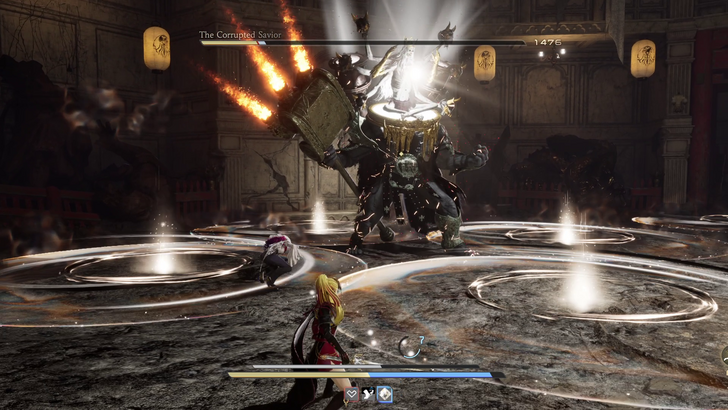
Now, I’m not such a soulslike purist as to claim that the experience isn’t complete without dying several times to each boss. But the lack of difficulty is enough to make an issue usually foreign to the genre apparent: the majority of the Mask of Idris’ stages simply aren’t satisfying to clear. They don’t offer the figurative walls that obstruct your progression, nor the sense of fulfillment that comes from finally breaking through them with grit and strategy.
Thankfully, the DLC does pick up in difficulty during its latter stages… and by “latter stages,” I mean the last three bosses, which you fight in succession. Is that a pro? Sure, you can say that. But considering that they’re all at the very tail end of the eight-odd-hour DLC questline, that’s basically nothing. And even then, they were only challenging because the first turned the game into a bullet hell, the second was annoyingly skittish, and the third had two health bars and could hug me to death (thus proving that gamers die from a woman’s touch).
| IMAGE | DESCRIPTION |
|---|---|
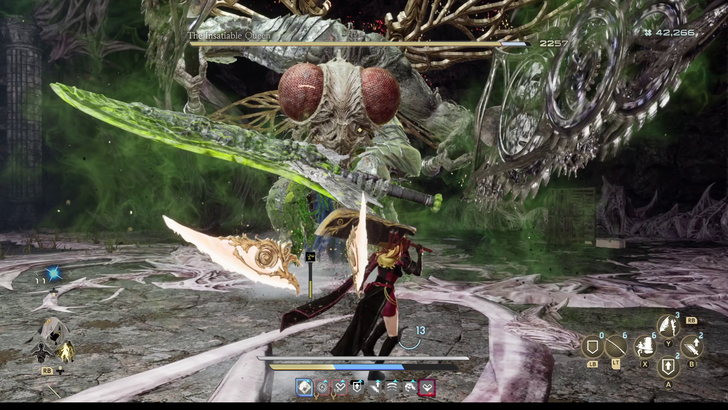 |
Max health without Mr. Mask’s protection |
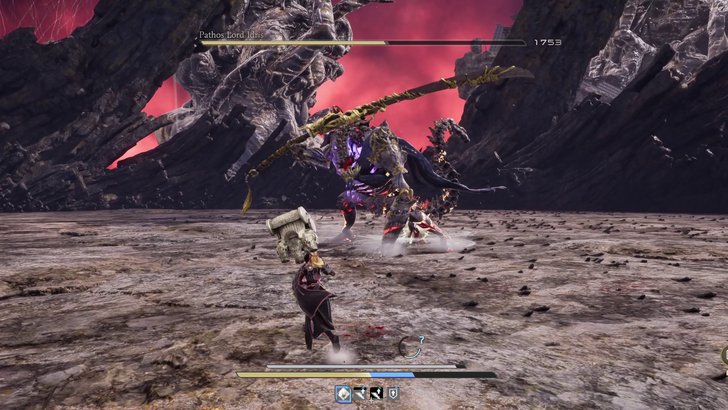 |
Max health without Mr. Mask’s protection |
There’s a way around this, of course. And ironically, it’s from the one severely underexplored mechanic that the Mask of Idris DLC actually introduced but immediately dropped for story reasons. See, when you first step foot on the Forsaken Lands, its unique properties work to rob you of roughly half your capabilities, manifesting as a drop in certain stats like, most importantly, your max health. Later on, however, that entire mechanic becomes moot because Mr. Mask will serve as your ward against it.
If, instead, that mechanic could only be partially suppressed by Mr. Mask and had to be strengthened by, I don’t know, eating certain foods or consuming certain items regularly, we could have added another layer of resource management to the whole DLC and made the overall experience more challenging. But instead, we get both a cool handicap mechanic left in the recycling bin in perpetuity, and a campaign that can’t properly challenge post-game players in one package.
Might as well just start a New Game Plus to get whooped again.
Is Code Vein 2: Mask of Idris Worth It?
It’s Well Worth Upgrading For
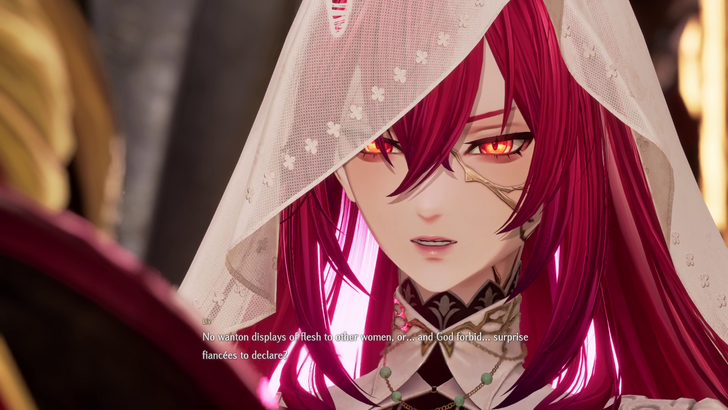
Despite my complaints about the difficulty and story, the Mask of Idris DLC is still very much worth paying the upgrade cost for. For 20 buckaroos, you get to play through more of Code Vein 2, alongside a whole bunch of very cool and important toys to improve your buildcrafting experience.
Also consider that this same upgrade will give you access to the next DLC as well, whatever and whenever that is. And if this update is any indication, then we can expect the next expansion to be just as stacked… though probably not, considering Mask of Idris did release alongside the major 2.0 update. Still, that’s a great value proposition!
Especially since Liv Voda actually does appear in the Afterstory after you clear the Mask of Idris content, heh.
Code Vein 2 Related Guides
 Story Walkthrough |
 Weapons |
 Partners |
 Bosses |
 Blood Codes |
 Jails |
 Formae |
 Boosters |
 Maps |
 Items |
 NPCs |
 Tips and Tricks |
 Cosmetics |
 Builds |
 Shops |
 News and Game Info |
Game8 Reviews
You may also like...
 |
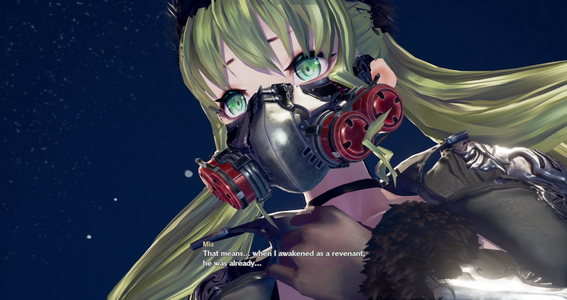
Code Vein 2 Review | When Dreams Come True Too Soon |
 |
Code Vein Review | The Genre’s Beloved Mess |
 |
AI LIMIT Review | Greatness in Its Flaws |
 |
Dolls Nest Review | Great Things Can Come With Small Scores |





"Thus proving that gamers die from a woman’s touch" bro... real doe