

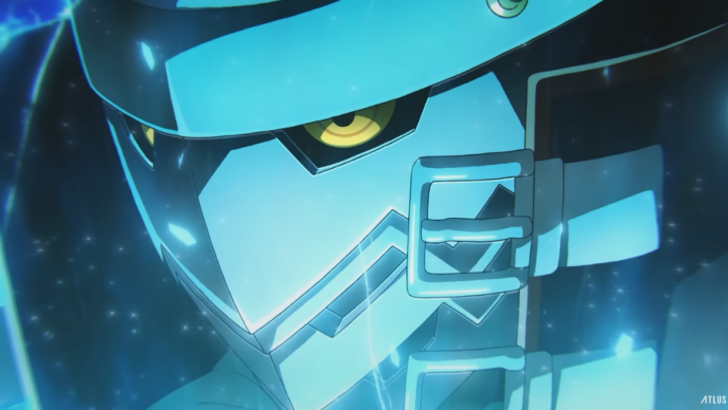
Persona 4 Revival goes full 3D with the environments and reworks its combat, but producer Wada Kazuhisa was careful to add new things while keeping the core of the game in mind. He also hints at where Atlus's remake ambitions might go next.
Persona 4 Revival Producer Shares Details on How the Game Was Developed
What's Different in Persona 4 Revival
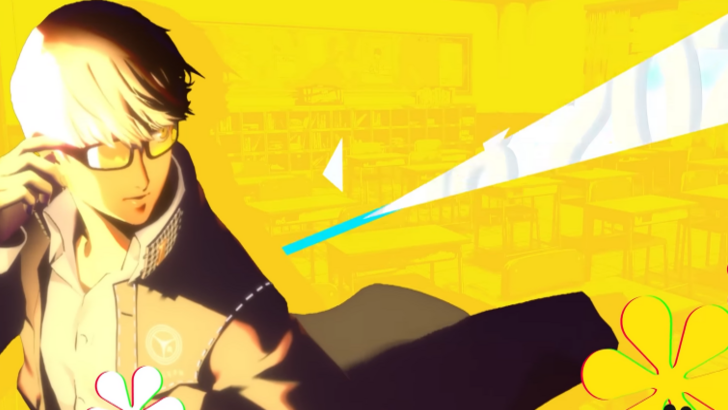
Persona 4 Revival’s producer, Kazuhisa Wada, said the original screens, combat, and art served as the foundation for the game’s development. In a recent interview, he notes that the biggest change is spatial: Inaba's fixed-view backdrops are being rebuilt into fully explorable 3D environments, with a camera players can freely rotate around the town.
"Based on the image of the game screen at that time, we expanded the image of the actual location that we had originally imagined. We replaced the invisible part of the image and made it feel more realistic," Wada told GamerBraves.
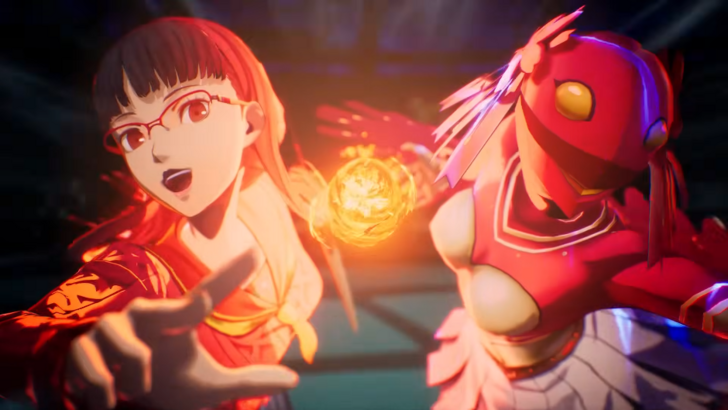
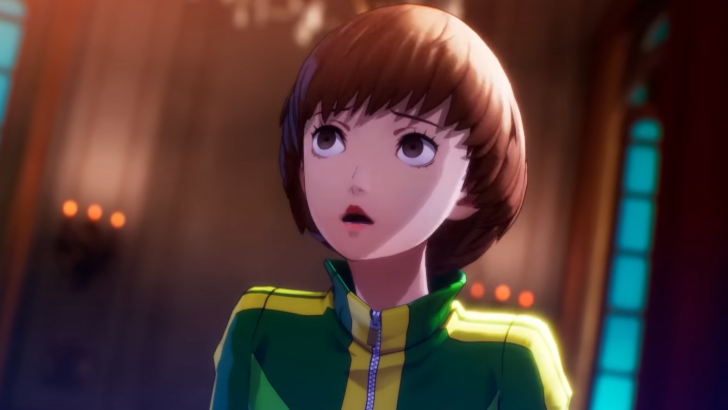
Combat picks up new tools as well in Revival. Send Flying, a knockback effect, and Prime Time, a combat gauge bar, are newly introduced mechanics that will be available along with another familiar mechanic, Persona 5’s Baton Pass. In addition to these, SP cost is also negated and reworked.
"We mainly wanted them to be fun and enjoyable to play, that's the main thing we focused on. Prime Time and Send Flying don't use any SP, so players can use them freely as they like if the conditions are met, they're easy to use, and they also incorporate actions we haven't used much in previous installments."
That said, not every system from Persona 4 Golden made the jump. The battle motorbike is gone, replaced by an unspecified interactive system, and tag-team combos were also cut to make room for the new mechanics. The presentation shifted as some of the original's hand-drawn cutscenes are now rendered fully in-engine. Alongside this, a handful of conversations that used to play out in the original's static visual-novel style now run as cutscenes. He mentioned dungeons were mainly reworked with a specific goal, cutting down how tedious and heavily time-consuming they used to feel.
"Regarding the dungeons, we've mainly decided to make the whole dungeon-playing experience a lot less stressful, that's one part we decided to do. We also wanted to update the graphics to make it much more immersive."
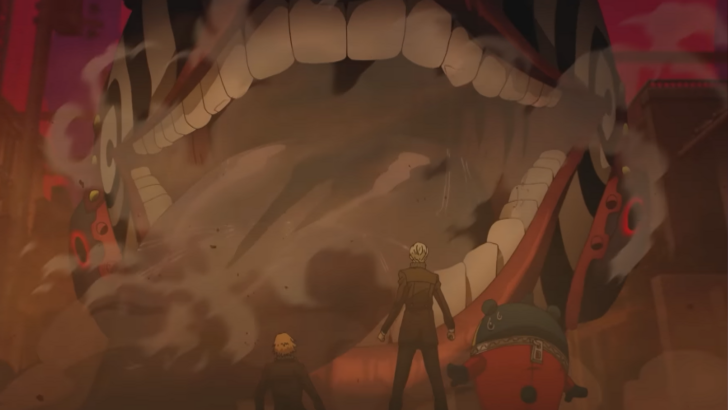
Wada added that the deeper players descend into the world, the more unsettling the visuals will become. He pointed to the party's first encounter with a Shadow as an example of just how much more cinematic that moment now feels in this version compared to the original release.
What Stays True to the Original
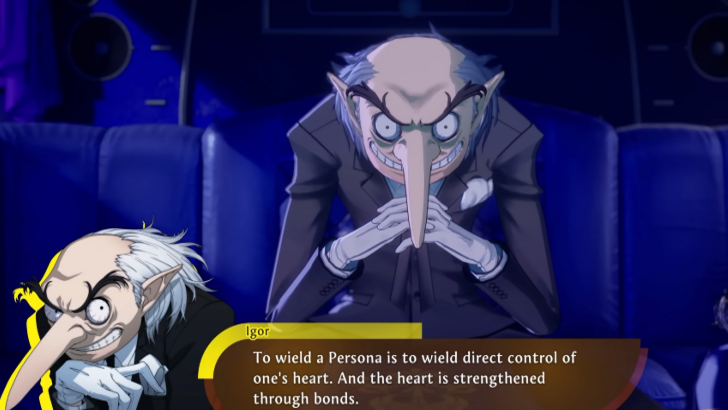
For everything getting rebuilt, Wada was just as quick to list what the team refused to touch, starting with the thing fans worried about most.
"The characters' personalities that everyone is worried about have not been removed or nerfed," he assured fans.
Kanji and Naoto's arcs, both mainly focusing on identity and how the two are perceived by people around them, got particularly careful treatment. "Kanji and Naoto are characters that can be misunderstood, but are also understood if players look deeper into their narratives. These were already very detailed characterizations, so we tried not to stray too far from the original characters and what makes them who they are," Wada explained, noting that only a handful of lines he felt were "a little underthought or hastily written at the time" received light touch-ups.
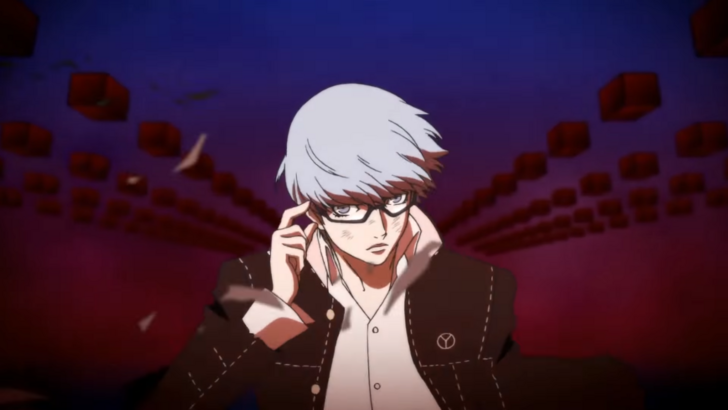
The original's existing animated cutscenes were treated as off-limits entirely, including the sequences made with MAPPA, a partnership going back to Persona 5 Royal's opening. "With the fans of the original game in mind, we mainly focused on improving immersiveness, basically no changes or alterations have been made to those," Wada said. Standard follow-up attacks in combat are staying too, despite the motorbike and tag-team combos getting cut.
Visually, Persona 4's pop-art, retro-television aesthetic isn't going anywhere. "For this installment's UI, we've definitely kept the retro elements of Persona 4, the nostalgic and warm design, and improved upon them, while also brushing up usability so it's much easier for players to use."
Even the story's central idea is staying put. Given how closely the Midnight Channel mirrors today's online echo chambers, Wada wondered whether that theme needed updating for a modern audience, but in the end, he didn't think so.
"The great thing about Persona 4 is that the themes used at the time remain relevant today, so we haven't reconstructed the core theme itself."
He added that algorithm-curated feeds have arguably made the parallel even more relevant now than it was in 2008. On the content side, Revival also folds in nearly everything from Persona 4 Golden, extra story beats, side content, and the true ending among them, with the Program Ticket feature being the lone holdout while adding new social interactions not present in Golden at all.
What's Next for Persona Remakes

Persona 4 Revival's title follows the same title style as Persona 3 Reload and Persona 5 Royal. The producer credited Reload specifically with solving much of the technical and localization groundwork that made a project this size possible in the first place. That foundation is part of why he's not ruling out where the studio goes from here.
Asked whether Atlus might eventually remake the first two Persona games or whether its focus is shifting toward Persona 6 instead, Wada didn't commit to confirming either. Though, he made it clear the idea is far from off the table.
"At this point, I can't say for sure, but personally, I think it's something we should definitely do. I think we have to do it."
Persona 4 Revival is an upcoming RPG to be available on Xbox X|S, PS5, and Steam. Additionally, ATLUS has another recently announced title on the way, the highly anticipated Persona 6. For more information on P4R, check out our article below!
Source:
Producer Wada Kazuhisa Talks Persona 4 Revival on GamerBraves