





| Fields of Mistria | |||
|---|---|---|---|
| Release Date | Gameplay & Story | Pre-Order & DLC | Early Access Review |
Fields of Mistria invites players to build their dream farm and explore a vibrant world filled with magic and romance. Read on to learn everything we know, our first impressions, and more.
Everything We Know About Fields of Mistria
Fields of Mistria Plot
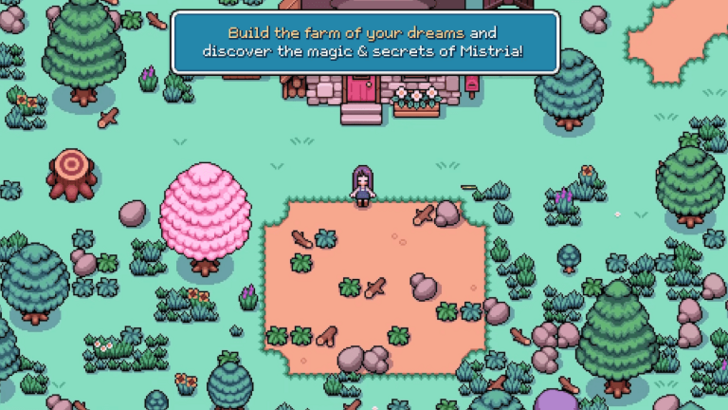
Mistria is a quiet village that was hit by a terrifyingly strong earthquake that left most of its infrastructure in shambles. The townspeople have offered you a free homestead overrun with flora to live in, in exchange for your service in aiding with the town's restoration.
Fields of Mistria Gameplay
Fields of Mistria is a farming simulator RPG where you must complete a series of quests to rebuild and revitalize the town of Mistria. Deal with your task and live your life day by day in Mistria to restore the tow
Fields of Mistria Release Date

Fields of Mistria entered 1.0 on August 5, 2026, 12 P.M EDT.
| Digital Storefronts | |||||
|---|---|---|---|---|---|
 Steam Steam |
|||||
| Price | $13.99 | ||||
Fields of Mistria Review (First Impressions)
Move Over Stardew Valley, There's a New Gold Standard for Cozy Farming RPGs
For the longest time, Stardew Valley defined what a cozy farming RPG could be. Then, two years ago, a charming little game called Fields of Mistria arrived in Early Access, and I confidently called it the strongest contender to the crown. It was a bold claim, sure, but hardly a controversial one. Plenty of players walked away with the same sentiment, this wasn't just another game inspired by Stardew Valley. It had the potential to surpass it.
Fields of Mistria takes the foundations that made farming RPGs beloved—building relationships, cultivating a home, exploring at your own pace, and constantly working toward the next personal goal—and elevates them through exceptional worldbuilding, meaningful progression, and an unmistakable sense of charm that makes every in-game day worth seeing through.
Back in Early Access, I came close to what is considered the endgame, but I never actually reached the end of its story. So with Version 1.0 finally here, I couldn't think of a better excuse to return to Mistria, finish the journey I had started years ago, and see whether the full release could live up to the promise that first convinced me it was something special.
A Town Worth Saving
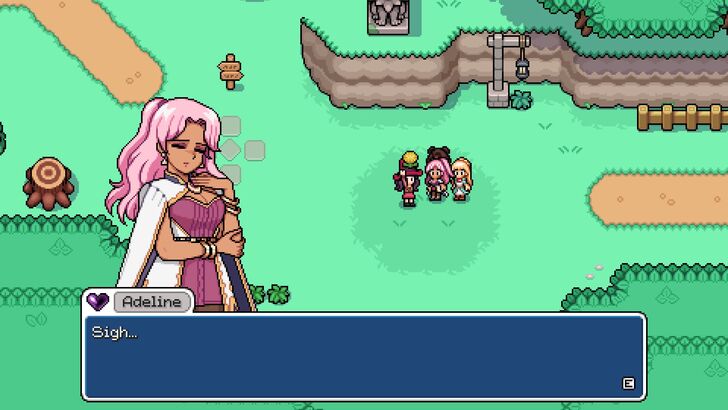
Fields of Mistria begins much like any other farming sim. You're introduced to the world, handed a neglected plot of land, and encouraged to settle into a new life while gradually becoming part of the local community. It's a familiar setup that anyone who's played the genre will recognize. Where Mistria immediately separates itself is what happens after that introduction.
In many farming sims, the opening premise quietly fades into the background once the daily routine of farming, fishing, and befriending villagers takes over. Here, it's the very heart of the narrative. After a devastating earthquake leaves the town in ruins, nearly every major story quest revolves around restoring Mistria to its former glory. Repairing important landmarks, rebuilding damaged facilities, and helping its residents recover from the disaster.
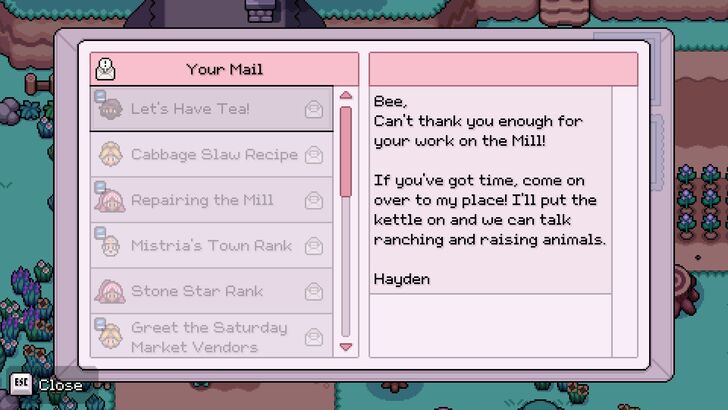
That really changes how I viewed my role as the player. I wasn't just improving the town because I inherited a family farm or because I happened to like the people living there. I wanted to help because Mistria itself had already endured so much. Watching the community slowly stand back on its feet made every contribution feel meaningful, and in turn, every upgrade carried emotional weight beyond simply unlocking the next feature or convenience.
The story also doesn't stop at rebuilding. Beneath Mistria's cozy exterior lies a mystery that gradually expands the world beyond its peaceful countryside. Through Eiland—Adeline's younger brother and the town's resident archaeologist—we learn that humans once coexisted with dragons, and that understanding the past may be the key to protecting Mistria's future.
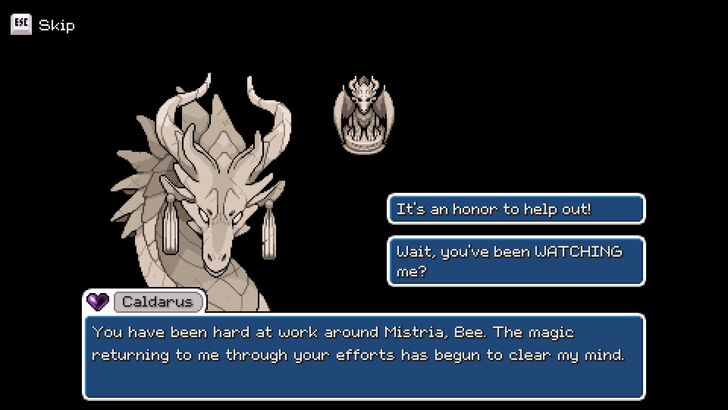
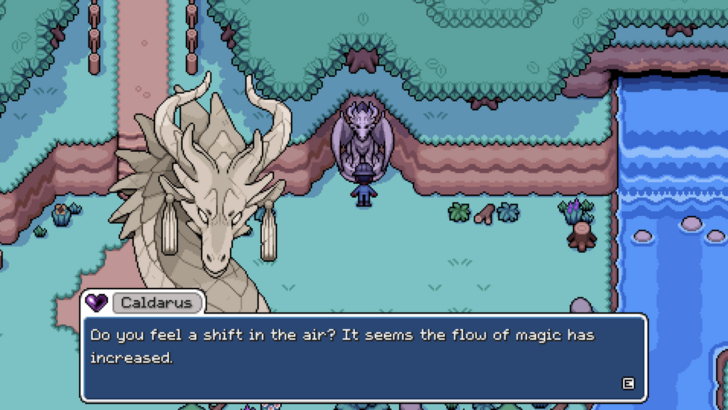
That mystery soon becomes personal when, after restoring an old dragon statue, I unknowingly form a pact with the thousand-year-old dragon Caldarus. It's an excellent narrative hook because it doesn't exist solely for the story's sake. Instead, it lays the foundation for several of the game's RPG mechanics, tying progression directly into the world's lore rather than making it feel like another disconnected system. The storytelling naturally blends narrative with gameplay, making each new ability part of the adventure instead of just another reward on a progression tree.
What I especially appreciate is that the mystery surrounding dragons isn't treated as a separate storyline from the town's restoration. Instead, the two are woven into the same overarching narrative. As Mistria slowly recovers from the earthquake, you're also uncovering the forgotten relationship between humans and dragons, with each revelation hinting that the town's future may be inseparable from its past.
Relationships Grow Beyond Simple Dialogue
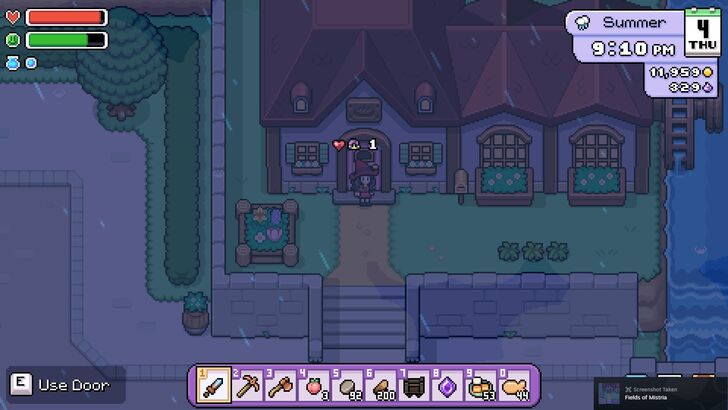
Outside of the main story, Fields of Mistria gives you three other quest types to pursue: Heart Quests, Requests, and Festival Quests. While they all serve different purposes, together they make the town feel like it's moving alongside you.
Heart Quests are easily my favorite of the three. As your relationship with each villager grows, you'll unlock new scenes that reveal more about who they are beyond their daily routines. These aren't just rewards for handing out enough gifts, they flesh out each character's motivations, struggles, and personalities, making them feel like actual people instead of NPCs. That emotional investment also makes the eventual romance system feel earned. You're not picking a spouse because they're the most convenient or because they have the best portrait, you're choosing someone you've genuinely gotten to know.
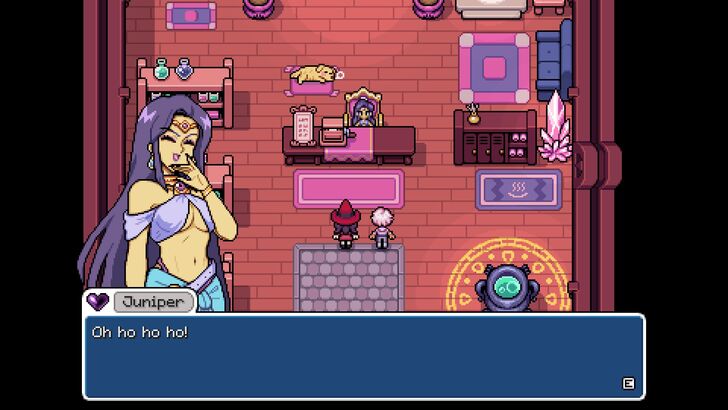
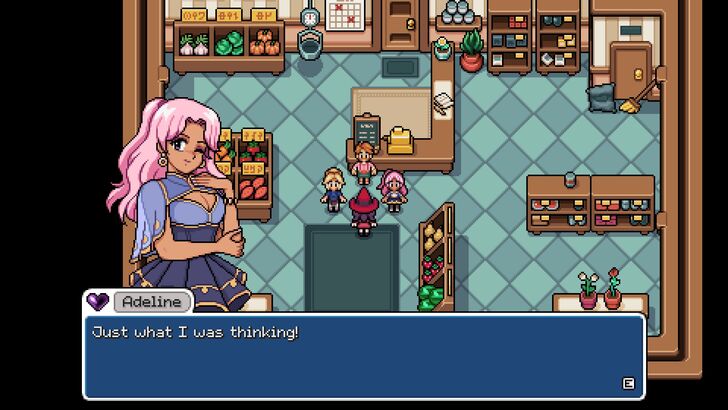
As for me, two years later and I still haven't made up my mind. Juniper is just... cool. She has this confident, teasing personality that's incredibly easy to like, and every interaction with her left me wanting to know more. Adeline, meanwhile, won me over in a completely different way. Watching her shoulder the responsibility of rebuilding an entire town made me naturally want to support her. She's dependable, compassionate, and quietly carries far more weight than she lets on.
That said, romance hasn't really been the focus of my playthrough. I've been more interested in simply existing in Mistria first. Getting to know everyone, seeing their Heart Quests, and letting those relationships develop naturally before deciding who feels like the right choice. Whether that only makes the decision even harder later or simply confirms my first instinct toward Adeline… I'll have to find out.
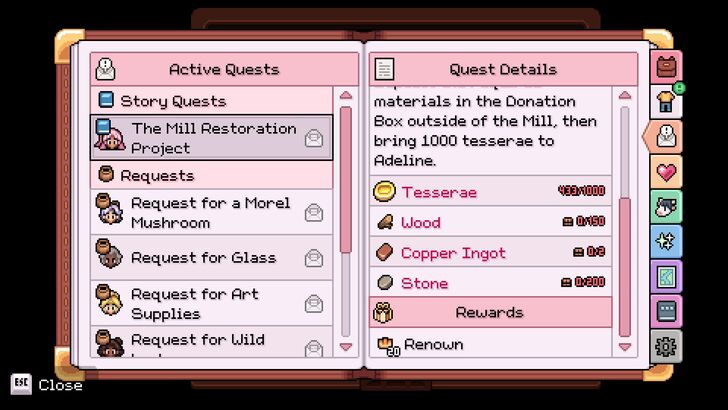
Requests serve a much different role. They're smaller, everyday tasks that don't contribute much to the overarching narrative, but they give you a constant reason to interact with the townsfolk and venture out in search of materials, crops, or monster drops you might have otherwise ignored. They also contribute to your Renown, one of the game's most important progression systems, gradually unlocking new town upgrades, shops, and features. It helps give a tangible feeling to these quests since they’re woven directly into the loop.
Festival Quests, on the other hand, exist primarily to make Mistria's seasonal celebrations feel more personal. These quests encourage you to take part in the festivities themselves, making the festival feel like an occasion the town has been building toward together. At the time of writing, I had only experienced the Spring Festival questline, so I'm still looking forward to the rest.
Relaxing Farming Loop
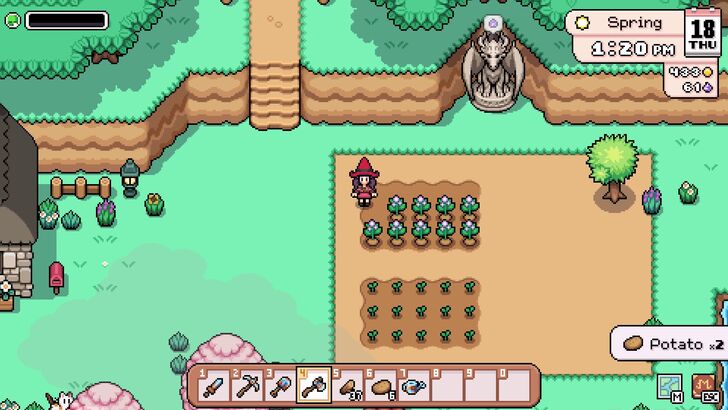
Speaking of progression, the core gameplay loop in Fields of Mistria revolves around two things: gathering the materials needed to advance the main story and tending to your farm. Those two activities constantly feed into one another, ensuring that even the quietest days are still moving you toward a meaningful goal.
During the opening hours especially, farming becomes your most reliable source of income. And in Mistria, money makes life significantly easier. As with any farming sim, you're free to decide how your farm develops. What seasonal crops to prioritize, how to lay out your fields, and how much of your time you want to dedicate to agriculture versus everything else the game offers. That freedom lets you naturally settle into a routine that fits your own pace.
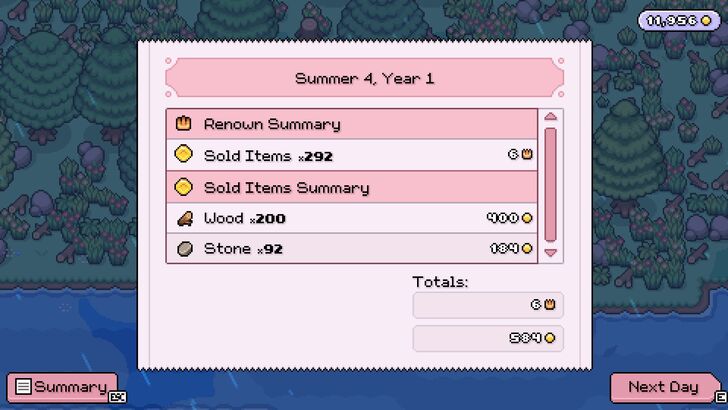
What made Field of Mistria’s farming standout, however, was just how generous the economy is. You'll naturally spend most of your starting money on seeds, but it doesn't take long before your harvests begin paying for themselves and then some. Many crops offer healthy returns, making it easy to reinvest into the next season while steadily expanding your farm. There's very little friction in using farming as your primary source of income, and the game never really slows your progress with excessive financial roadblocks.
That generosity extends beyond crops, too. Almost everything you gather has value. Cleared a mountain of wood and stone while cleaning up your land? Don't feel like stockpiling it for future construction? You can simply sell the excess. Whether it's gifts, forage, monster drops, crafted goods, or raw materials, Mistria gives you the freedom to turn almost anything into profit, meaning very few in-game days ever feel wasted.
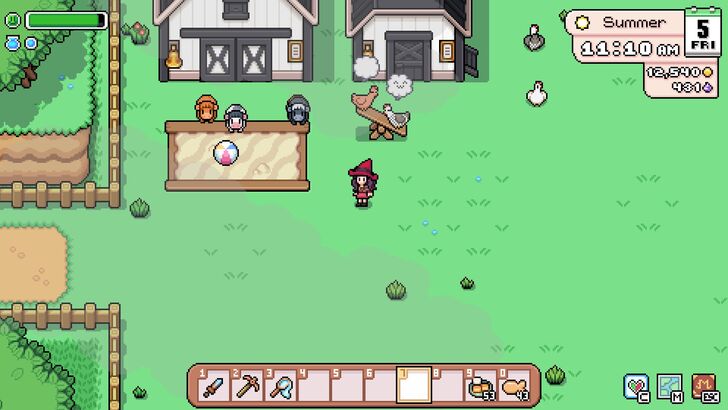
Personally, I loved this because earning money is often where farming sims become the most repetitive. Here, I never felt trapped in an endless cycle of planting the same crops just to afford the next upgrade. I was encouraged to explore, mine, fish, or simply play however I wanted, knowing I'd still make meaningful progress.
I can already imagine some players arguing that the economy is too forgiving, that it lacks the slow, demanding grind they're used to from the genre. But if your enjoyment of a farming sim depends on constantly struggling to stay afloat financially, I think you're expecting Fields of Mistria to be something it never set out to be. Money isn't the end goal here. It's simply a tool that enables the real experience: building a home, helping a community recover, and enjoying life in Mistria at whatever pace feels right. Instead of creating artificial roadblocks, the game trusts you to make your own goals, and I think it's stronger because of it.
The Mines Are More Than a Resource Run
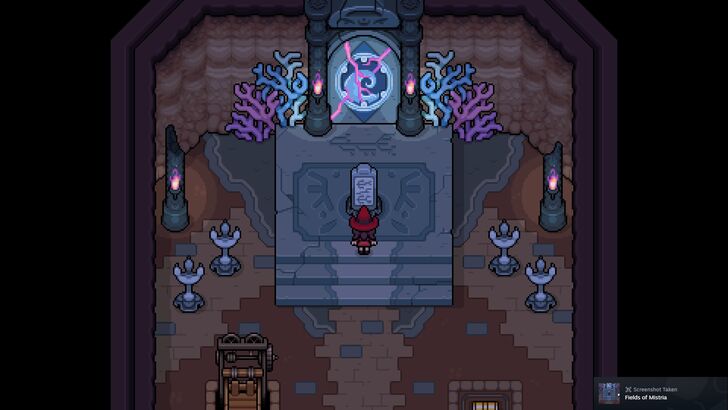
Of course, farming is only one part of the equation. Outside of tending to your crops, you'll also spend your time taking care of your barn animals and familiar, fishing—which by the way, thankfully, doesn't lock every catch behind a tedious minigame—collecting bugs, foraging across the map, and eventually descending into one of my favorite parts of the game: the mines.
The mines inject a welcome sense of adventure into an otherwise laid-back routine. Each trip is a dungeon crawl that takes you through randomly generated floors filled with resources, monsters, and hidden treasures, with your progress permanently saved every five floors. It’s simple, but it adds an exciting element to the gameplay.. Do you push one more floor in hopes of finding what you need, or play it safe and head back with everything you've gathered?
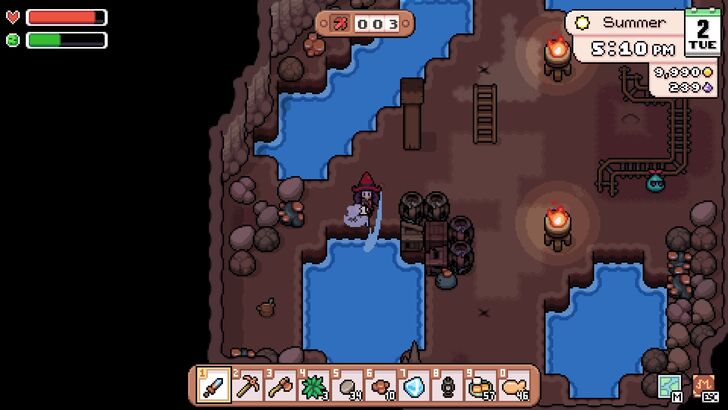
The answer is usually to keep going, because almost everything you need is underground. Glass, peat, ores, crafting materials, even wood! You'll find many of the resources needed for quests, upgrades, and crafting tucked away somewhere in the mines.
What kept me coming back, though, wasn't just the loot. It was the combat. Mechanically, it's fairly straightforward. You have a basic attack, movement, and not much else. It doesn't try to rival dedicated action RPGs, and aiming can occasionally feel awkward, especially when trying to attack diagonally. Yet despite those limitations, I never found combat boring.

That's because it serves exactly the role it needs to. After spending an in-game day harvesting crops, watering plants, and chatting with villagers, heading into the mines completely changes the pace. Suddenly, you're paying attention to enemy patterns, managing your health, and deciding whether it's worth venturing deeper before calling it a day. That variety gives each day a different rhythm depending on what you feel like doing.
For me, that's the real strength of the mines. They're not trying to be the deepest dungeon crawler in the genre, they simply provide enough action to break up the tranquility of farm life. And because they're so tightly woven into progression, every trip feels productive whether you're there for resources, progression, or simply because you're in the mood to swing a sword instead of a watering can.
Progress Comes Naturally Through Everyday Play
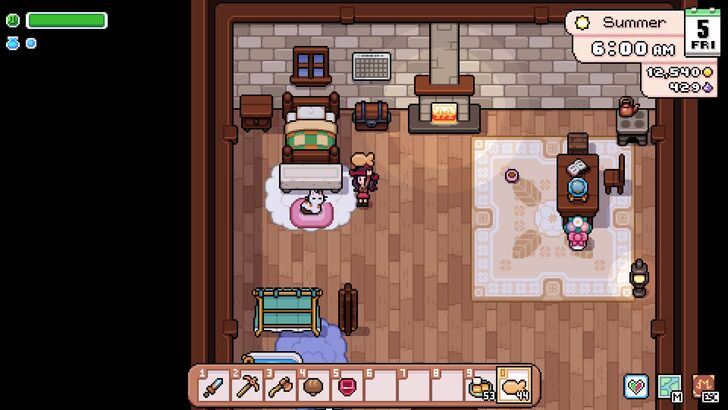
Another aspect that Fields of Mistria gets right is how it handles leveling. Much like its economy, progression is incredibly generous because it's tied directly to how productive your day was rather than asking you to grind a single activity over and over.
Finish a few Requests, spend the afternoon exploring the mines, harvest and sell your crops, catch a few fish, everything you do contributes to your experience gain in one way or another. Instead of wondering what the "best" way to level up is, I found myself simply playing the game, and the levels came naturally as a result.
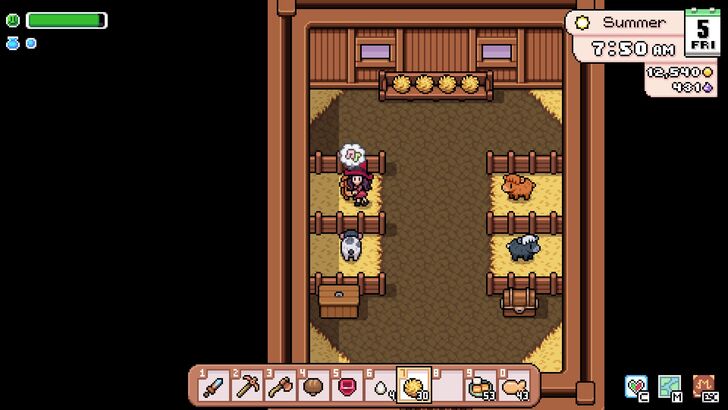
Interestingly, the story also feels like it progresses alongside your character's growth. It's not that the main quests are explicitly level-gated, but because advancing the story naturally requires gathering materials, farming, exploring, and interacting with the town, you'll almost always gain a healthy number of levels before reaching the next major objective. The two systems end up moving in tandem, creating the impression that your character is growing alongside Mistria itself.
The same is true for the game's secondary narrative. The deeper you venture into the mines, the more you'll uncover about the long-forgotten relationship between humans and dragons. Those discoveries are naturally folded into your journey, making exploration feel rewarding for more than just the resources you bring back.
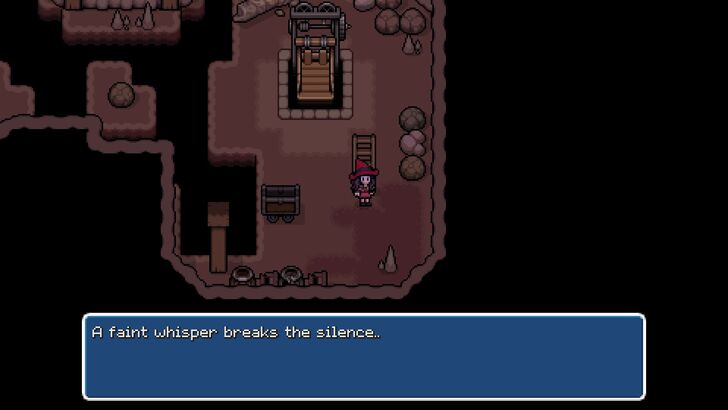
It keeps progression feeling organic. Rather than interrupting the story with moments where the game effectively tells you to "come back later after grinding," your everyday activities quietly prepare you for what's next.
Fields of Mistria doesn’t really punish you for playing "incorrectly," because there’s no correct way to play in the first place. The game rewards consistency, trusting that if you simply immerse yourself in its world, your character will naturally become better.
Beneath the Farm Lies a Surprisingly Deep RPG
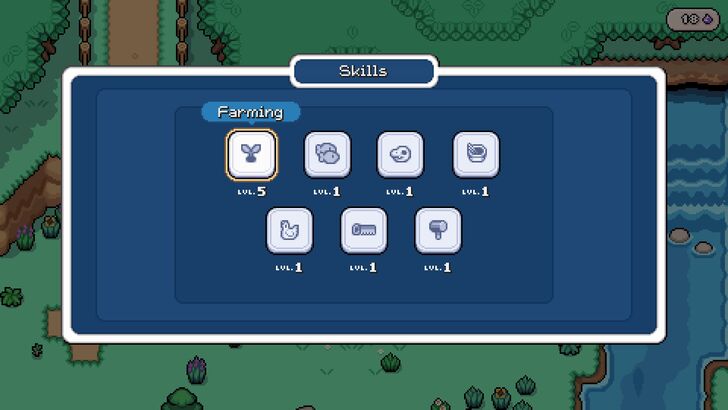
The more I played, the more I realized something about Fields of Mistria: the farming sim is almost a disguise. Beneath its cozy exterior is an RPG that shapes nearly every system in the game.
Every skill you level up, whether it's farming, mining, fishing, combat, or something else has its own progression tree filled with abilities that you can purchase using Essence. Naturally, more perks become available as your skill level increases. In other words, leveling up isn't just about becoming statistically stronger; it's about deciding how your character grows.
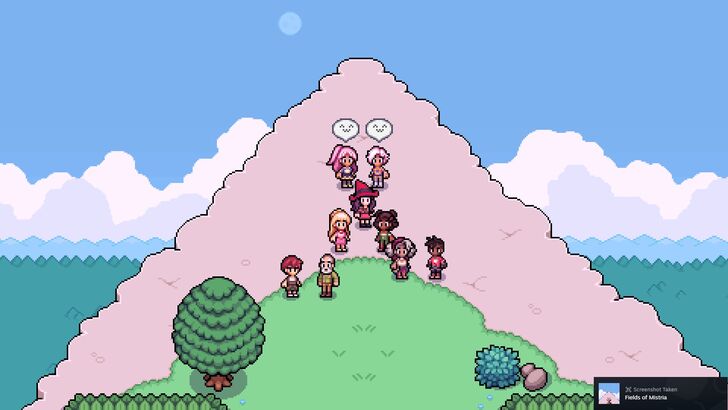
Instead of every player eventually ending up with the exact same experience, Fields of Mistria gives you room to specialize. Maybe you'd rather maximize your farming efficiency to turn your fields into a thriving business. Maybe you'd rather make your mining expeditions more rewarding, or improve your combat capabilities for longer dungeon runs. Even if players ultimately unlock everything, those early and mid-game decisions create different priorities and encourage you to invest in the activities you enjoy most.
In many farming sims, leveling up is passive, you gain a level, receive a small bonus, and continue with your day. Here, each level presents another opportunity to meaningfully improve how you play. You're constantly looking ahead at the next ability you want to unlock, giving everyday tasks a stronger sense of purpose because they're contributing toward something tangible instead of filling an invisible experience bar.
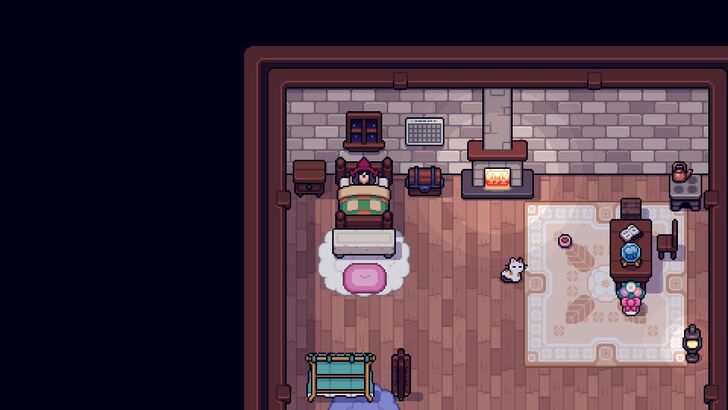
It's one of the biggest reasons progression in Fields of Mistria feels so satisfying. The game rewards you with new ways to interact with its world. That RPG backbone quietly elevates the entire experience, making every harvest, every fish caught, and every trip into the mines feel like another meaningful step toward building a character that reflects the way you want to play.
Magic Transforms the Everyday Routine
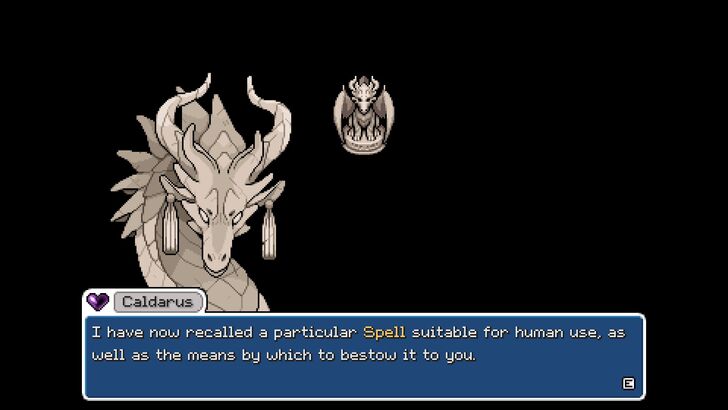
Out of everything Fields of Mistria introduces, though, my favorite has to be its sense of whimsy. Not just in its presentation, but in the way it slowly introduces magic into your everyday life.
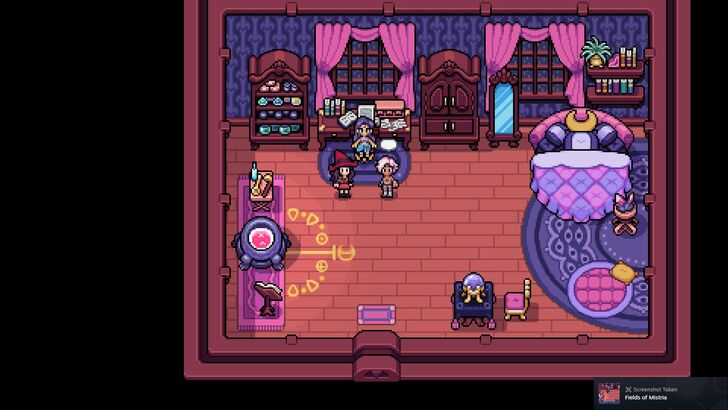
The deeper you venture into the mines, the more you'll uncover about Mistria's forgotten past, eventually unlocking spells of your own. I intentionally don't want to say much more because discovering them is genuinely part of the fun, but what I will say is this: once magic enters the picture, your cozy little farming life becomes even cozier.
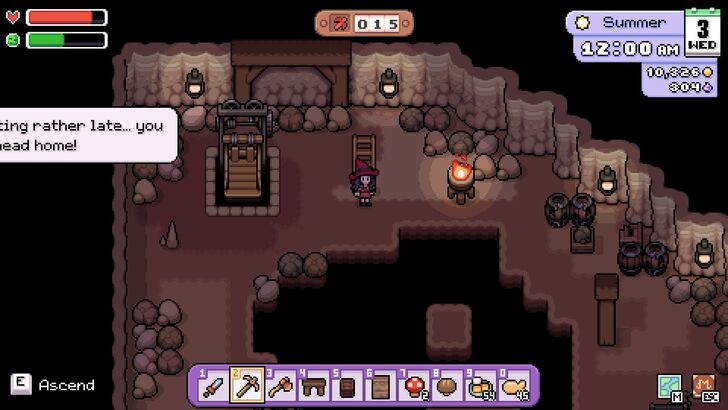
One of my biggest struggles during the early game was managing stamina. My days often ended before I had accomplished everything I wanted, and while food is the obvious solution, it can quickly run out especially if you’re doing long runs in the mines.
Then I discovered magic. Sure, mana has its own limits, but having a reliable way to restore stamina meant running out of food no longer signaled the end of my adventure. Instead of begrudgingly heading home because I'd exhausted all my recovery items, I always had one last option to squeeze out a little more exploration.
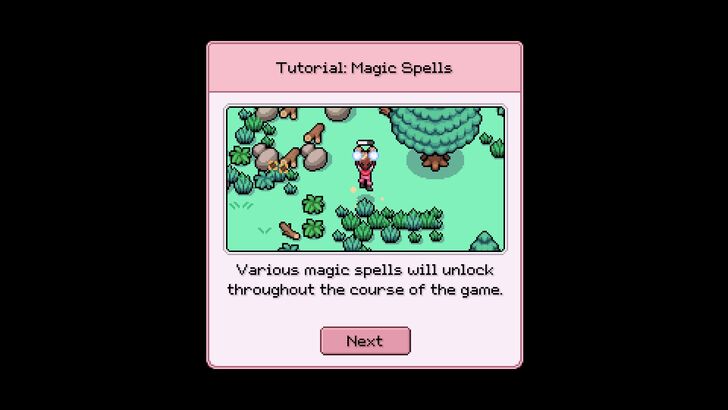
And that's only scratching the surface. Magic isn't limited to solving one problem, it expands into a variety of utility spells that naturally complement farming and day-to-day life around Mistria. Rather than existing as flashy combat abilities, these spells become practical tools that seamlessly fit into your daily routine, making ordinary tasks faster, more convenient, and, perhaps most importantly, a lot more enjoyable.
It’s No Mystery That It’s a Must Buy
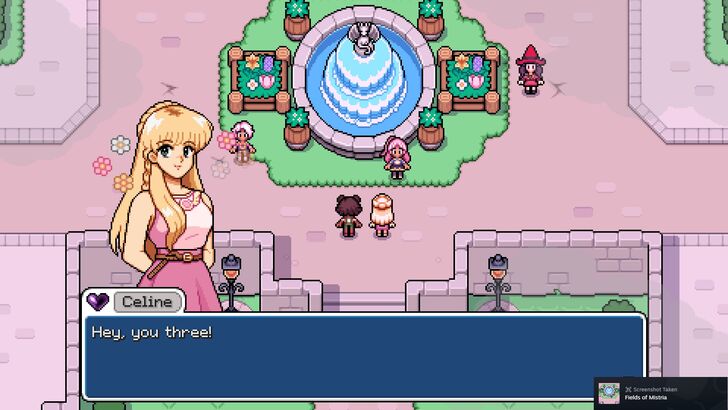
When Fields of Mistria first entered Early Access, many players—including myself—believed it had the potential to challenge the king of the cozy farming genre. Having now spent time with 1.0, I can confidently say that sentiment wasn't wishful thinking.
Fields of Mistria takes everything that has made farming RPGs beloved for years and meaningfully improves upon them. It builds a stronger narrative around your role in the world, introduces RPG systems that make every level feel worthwhile, rewards your time instead of artificially stretching it, and constantly evolves your daily routine through thoughtful progression. It's a game that understands the appeal of the genre while refusing to be confined by it.
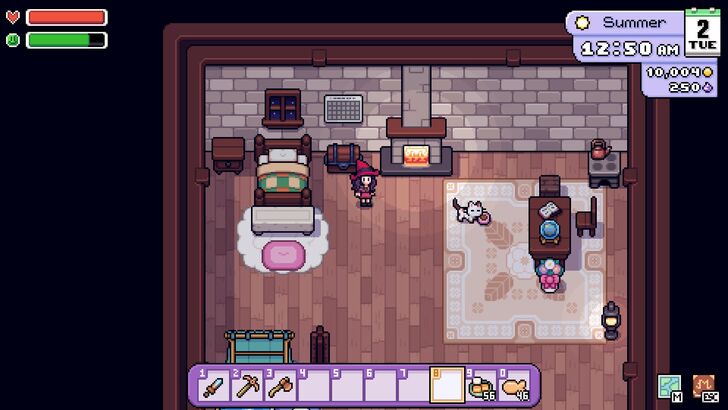
At just $13.99, it's one of the easiest recommendations I can make. You're not simply getting another farming simulator to sink hundreds of hours into, you're getting one that embraces the genre's cozy foundations while confidently leaning into its RPG roots, resulting in an experience that feels both familiar and refreshingly new.
If Stardew Valley popularized the modern farming RPG, then Fields of Mistria proves the genre still has plenty of room to grow. Rather than trying to replace what came before it, it raises the bar for what I hope future farming sims aspire to be.
Now, if you'll excuse me, Mistria isn't going to rebuild itself—and I still have a certain town steward waiting for me at the end of another in-game day.
Game8 Reviews

You may also like...





Fields of Mistria Product Information
 |
|
| Title | FIELDS OF MISTRIA |
|---|---|
| Release Date | August 5, 2024 (Early Access) |
| Developer | NPC Studio |
| Publisher | NPC Studio |
| Supported Platforms | PC (Steam) (Other Consoles TBA) |
| Genre | Indie Simulation RPG |
| Number of Players | 1 |
| ESRB Rating | N/A |
| Official Website | Fields of Mistria Website |












Welcome to the best sex dating site -- Hot21.fun
<a href='https://stanproperty.com/property/Menara-Hartamas/' target='_black' rel='nofollow'>https://stanproperty.com/property/Menara-Hartamas/</a> Discover the 1,679 sq.ft. Menara Hartamas Condo – Space, Style & City Living If you’ve been searching for a spacious city home that combines comfort and convenience, the 1,679 sq.ft. unit at Menara Hartamas might just be your perfect match. Located in the heart of Sri Hartamas, Kuala Lumpur, this residence offers the best of urban living — surrounded by lifestyle hotspots, international schools, and excellent city connections.