



| CONTROL: Resonant | |||
|---|---|---|---|
| Release Date | Gameplay & Story | Pre-Order & DLC | Review |
CONTROL: Resonant is the sequel to Remedy Entertainment’s 2019 action game, Control. Learn more about the game’s plot, gameplay, release date, our review of the game, and more.
Overview
What is CONTROL: Resonant?
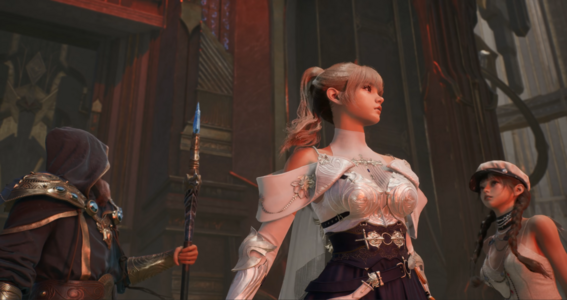
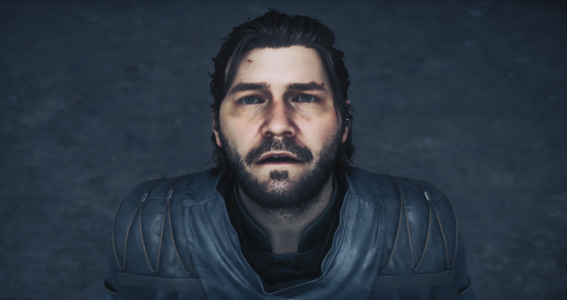
CONTROL: Resonant is the sequel to Remedy Entertainment’s award-winning 2019 action game, Control. Set seven years after the original, the game introduces a major change in protagonist, shifting the spotlight from Jesse Faden to her twin brother, Dylan. This time, the action moves to a much larger, stranger version of Manhattan, where reality itself has been warped by supernatural forces.
Unlike the original game's third-person shooting, CONTROL: Resonant focuses on close-range combat inspired by modern hack-and-slash games. Dylan wields the Aberrant, a shapeshifting weapon that allows him to unleash devastating melee combos against the game's many threats.
Combat is also complemented by a variety of movement abilities, including gravity manipulation and levitation, giving Dylan plenty of ways to traverse Manhattan and gain the upper hand against his enemies.
CONTROL: Resonant features:
⚫︎ Explore a Semi Open-World of a Warped Manhattan
⚫︎ Play as Jesse’s twin brother, Dylan Faden
⚫︎ Wield the Shapeshifting weapon, The Aberrant, in Melee-Focused Combat
⚫︎ Use Dylan’s Parautilitarian Abilities to Control Gravity and Bend the Laws of Physics
⚫︎ Customize Dylan’s Abilities and Combat Style in The Gap
⚫︎ A Direct Continuation of the Remedy Connected Universe
⚫︎ Discover Hidden Secrets, Easter Eggs, and more Altered Items
For more gameplay details, read everything we know about CONTROL: Resonant’s gameplay and story.
| Digital Storefronts | ||
|---|---|---|
 Steam Steam |
 Playstation Playstation |
|
 Xbox Xbox |
 Epic Epic |
|
| $59.99 | ||
CONTROL: Resonant Review: Remedy Goes Bigger and Weirder With Mesmerizing Results
Remedy Takes Back Control, Literally and Figuratively
When Control came out in 2019, it sold over 6 million copies and was considered a sleeper hit in the gaming landscape. It even earned a coveted Game of the Year nomination at The Game Awards in that same year, competing against powerhouse franchises like Resident Evil 2 and Super Smash Bros. Ultimate. For a fresh IP straight from the minds behind Max Payne and Alan Wake, Control already had a solid start in worming its way into the mainstream market.
Things got more ambitious for the studio as Remedy connected the dots between Jesse Faden’s story and the troubled writer Alan Wake through its “Remedy Connected Universe” or RCU. This approach seamlessly weaves both series’ stories of extradimensional beings and a whole lot of singing and dancing into one cohesive world.
Fast-forward to 2026, and the series has finally returned with CONTROL: Resonant after fans, myself included, have been dying to know more about Jesse and Dylan’s story. It marks a major shift in its strange, Lynchian, SCP-inspired world, turning it into a semi-open-ended space that deviates from the original’s linear The Oldest House hallways. More importantly, it introduces a new protagonist, Dylan, with a completely different combat identity: you no longer aim and shoot, but slice and dice your foes.
With Jesse out of the picture, can her twin brother capture that same lightning twice? After spending almost 40 hours exploring a warped Manhattan and beyond, I can wholeheartedly say CONTROL: Resonant has struck another goldmine for Remedy’s vast sci-fi universe, opening another rabbit hole to even weirder plans in the future. Remedy did so many things right with this interesting shift toward melee-focused gameplay and expanded RCU worldbuilding, but that doesn’t mean it hasn't left a few glaring issues that Remedy still hasn’t remedied yet.
Here Be Dragons in a Warped and Weird Manhattan With a New Protagonist
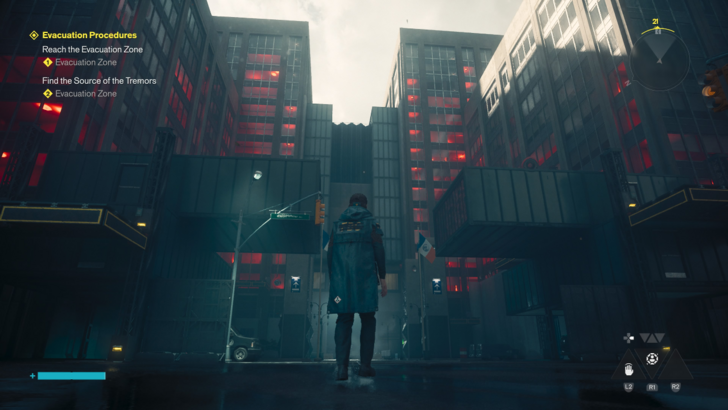
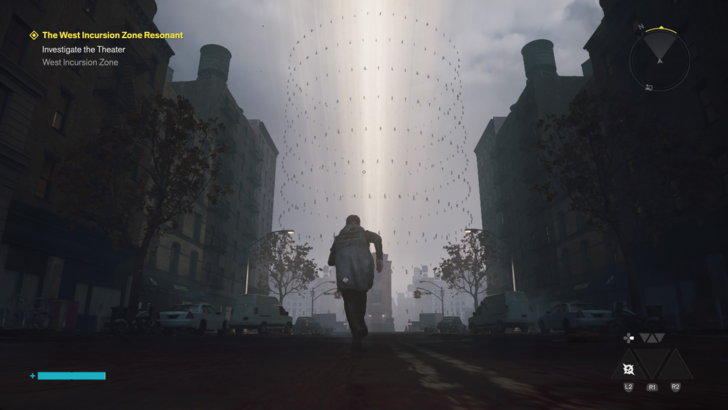
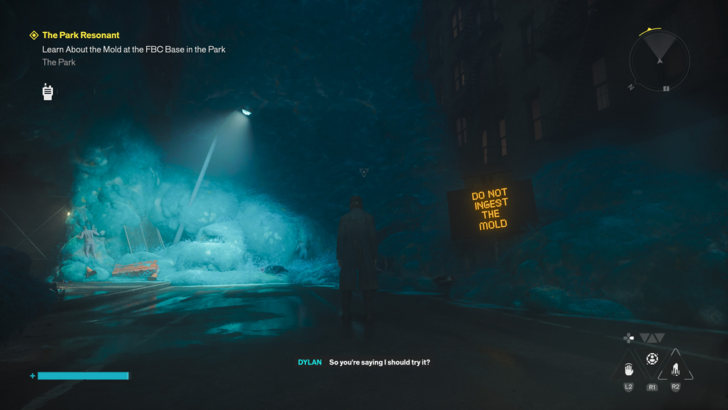
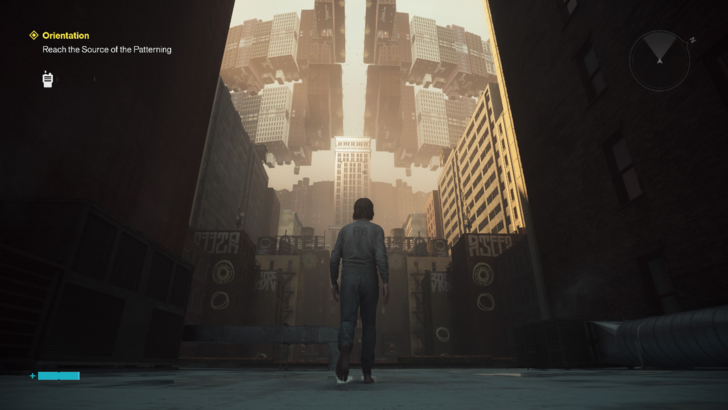
The Oldest House is no longer the main battleground in CONTROL: Resonant. Gone are the disappearing bathroom toilets and claustrophobic hallways teeming with The Hiss. The warped city of Manhattan takes its place, bringing all the horrors from the FBC’s containment areas out to touch grass. The result is a New York warped to the core after a mysterious new phenomenon known as the “Patterning,” filled with non-Euclidean spaces that make you feel like you’re inside the Backrooms. That also means navigating this version of Manhattan isn’t going to be an easy job.
This time around, Dylan comes in fit for the job with his gravity-shifting powers, allowing him to navigate through slanted spires and bent buildings straight out of Doctor Strange’s Mirror Dimension, ultimately turning this twisted version of New York into his perfect playground. The game goes out of its way to make you feel like you’re playing a new character, since many of Jesse’s old abilities, which we had to unlock hours into the game, like Levitate, are available immediately with Dylan, aiding his progress through the topsy-turvy city.
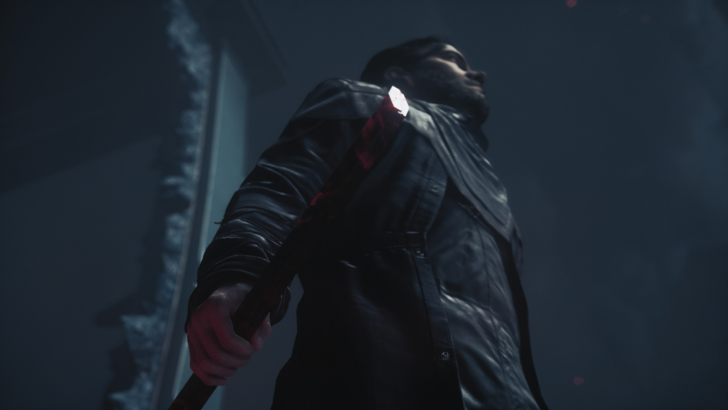
Dylan is immediately thrown into this crazy world after waking up from a seven-year-long coma, adding to the deep sense of mystery that pushes you to keep moving forward. The game keeps asking you more and more questions about where his missing sister is and what could’ve turned the entire city of Manhattan into the worst acid trip possible. Remedy doubles down on being as intentionally vague as possible, leaving you scrambling to uncover more of the truth hidden under layers upon layers of paperwork through documents scattered around the world.
A Different Way of Control in its Open-Ended Exploration
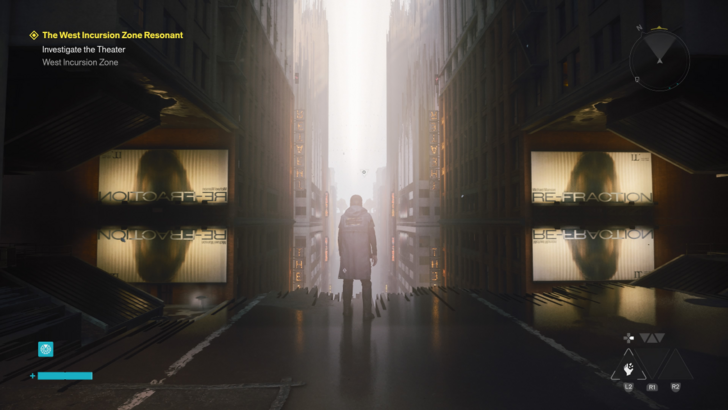
Resonant is also Remedy’s first semi-open-world game, a far cry from the studio’s more traditional linear level designs as seen in Max Payne and Alan Wake. Normally, shifting to this format feels overwhelming, but not here.
Remedy does a great job keeping its exploration segments a little less overwhelming with its Zelda-like approach to main-story pathing. You’re not forced to take a linear path in Resonant, but that doesn’t mean it’s always open-ended as some quests like taking down the Resonant bosses are required to push the story forward. Most of the time, however, the game leaves it up to you to pick your own poison. Say you want to take on a Resonant Entity in the West Incursion Zone first instead of going East; the game’s stellar level design accommodates your journey even if you haven’t unlocked some traversal abilities, so you don’t have to backtrack through other areas. Even so, fast-travel stations are available, so you’re never really wasting time.
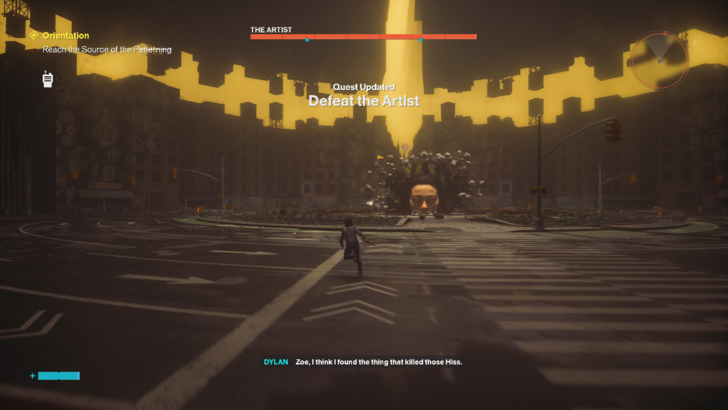
The final level, which is by far the most visually striking display I’ve seen in Remedy’s catalog, far exceeds Alan Wake 2’s The Dark Place sections and Control’s Astral Plane thanks to its unparalleled verticality with an entire city stacked on top of one another. You can shift gravity at your own will, essentially warping the laws of physics in your favor going full God-mode. It puts everything you’ve learned throughout the game to the test, from Dylan’s Gravity Rush-like abilities to his mastery of the Aberrant weapon. It’s a culmination of everything the game has been building toward, making it feel like the ultimate last stand.
From Third-Person Shooter to Faster Melee Combat
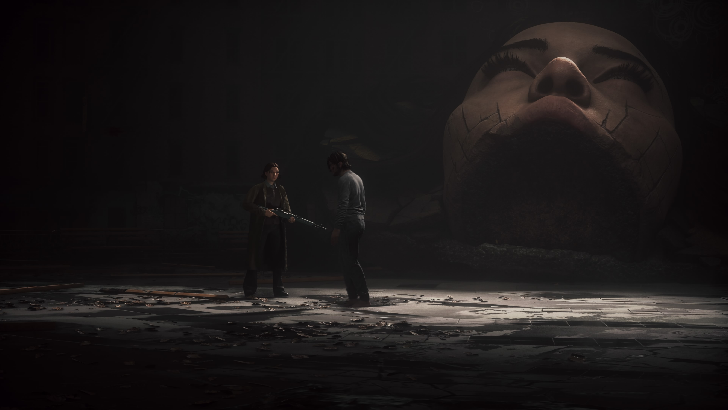
Dylan’s newfound traversal skills aren’t for nothing. He’s backed by the mysterious Board (now with a cool, throat-gurgling Sardaukar-like voice that shakes your DualSense controller), as CONTROL: Resonant is considerably harder than the original, largely because Dylan uses his shape-shifting Aberrant to transform it into a massive scythe, a hammer, or twin sickles, depending on your playstyle. It’s a much more personal, in-your-face style of engagement, since you have to close the gap between you and your enemies rather than find the perfect angle for a headshot like Jesse did in the original.
Manhattan’s new and old alien threats demand constant movement, especially with its more aggressive enemy AI that doesn’t stop attacking you until you’re dead. The first few hours of exploring Manhattan take some time to get used to, since Hiss enemies, spikes, and even makeshift mines are scattered across the map, adding more danger to traversal. There were moments when Dylan would just plop to the ground because I wasn’t watching a Hiss enemy throwing explosions at my face, especially when too much was happening at once. That’s where his Parautilitarian skills come in handy, as you’re mostly finding ways to get up rather than staying down.
It also doesn’t help that CONTROL: Resonant has one of the worst lock-on systems I’ve experienced in an action game. Pretty ironic when you have to constantly keep track of multiple enemies at once, only for the system to go wonky when you actually use it. Oftentimes, Dylan would strike the wrong locked-on enemy, while the camera would veer off-angle, causing you to lose your flow and, more importantly, your priority targets.
Most of the time, I refused to lock on to enemies and instead relied on the game’s built-in targeting, where you don’t even need to lock the camera onto an enemy in the first place, since your weapons can naturally aim toward nearby targets.
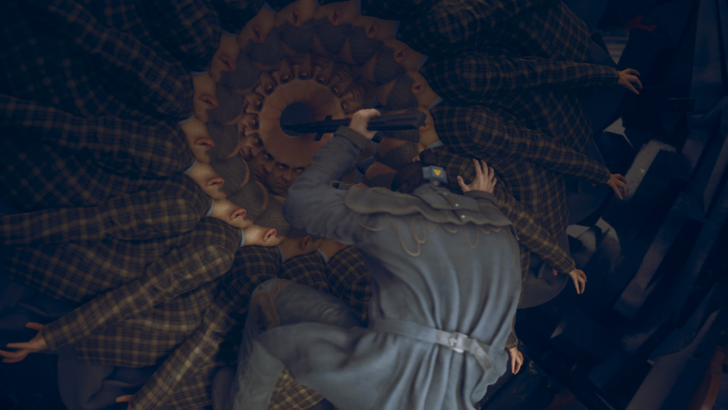
Which makes melee combat in Resonant feel more intentional than in the first game, since you have to pick your battles carefully when you’re now up close and personal with enemies rather than fighting from a few feet away.
The hack and slash gameplay takes a while to get used to, since much of Resonant’s difficulty is tied to player and enemy levels rather than fixed health bars. It leans more toward the RPG side of things than a typical action game. You’re still leveling up Dylan’s Aberrant as you go, but the game scales with you the further you progress into the story, so there’s always a challenge waiting for you.
The game makes sure you’re not underleveled, as it has plenty of activities scattered across Manhattan. There’s always something to do while exploring like finding Altered Items and loot goblin-like Vending Machines to gather enough resources for upgrades in The Gap, which is Dylan’s diegetic version of a loadout zone similar to Saga’s Mind Place in Alan Wake 2.
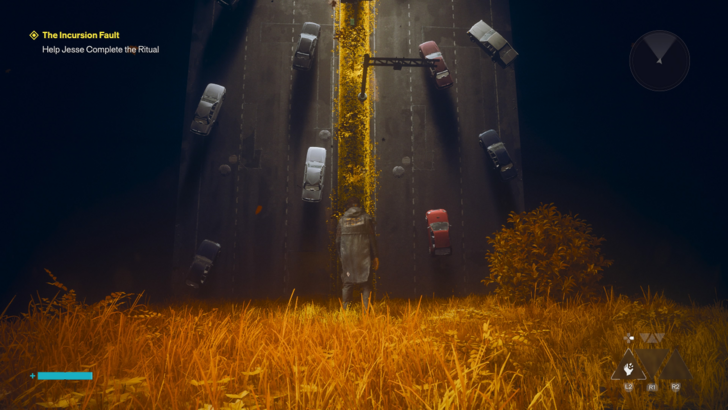
My one main gripe about the combat was that I didn’t really feel it early on because I thought Dylan could quick-swap between multiple weapon types at once, a la Dante from Devil May Cry 5. Unfortunately, that wasn’t the case. It felt very limiting, considering there are different enemy types that are resistant to Blunt or Raw weapons, so I was often left using the same weapon if I forgot to swap it in The Gap. It’s not as seamless as I thought it would be, since there were moments when I really wanted to mix my Scythe with the Twin Sticks just to test it out.
This affects the player experience because some enemies, like floating Hiss, require weapons that work better at longer ranges, such as the Whip or Scythe. Instead, I could be stuck with an Axe until I press Start and change its weapon type or find another upgrade in The Gap, which also requires grinding.
This is when I realized CONTROL: Resonant’s gameplay is less of a traditional hack-and-slash and leans more into its RPG elements, where you don’t really have much agency over the weapons you use without having to open a menu and change your loadout when countering certain enemies.
The Aberrant’s Dominance in CONTROL: Resonant
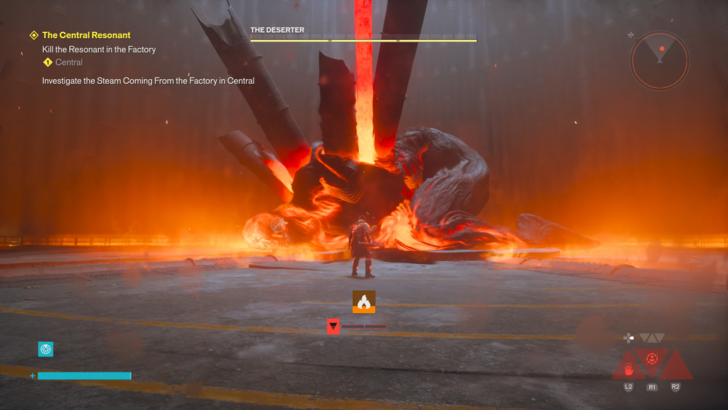
Thankfully, there are other ways to mitigate the lack of quick-swapping, since the Aberrant’s upgrade path can still transform it into different weapons through finisher combos and secondary forms. Dylan’s weapon can still transform mid-battle, but it’s all tied to fixed upgrade paths that you can unlock in The Gap.
My personal favorite combination was the Scythe for its long reach and the big Hammer for extra Falter (or Stagger) damage, letting me execute enemies as stylishly as possible while quickly gaining Dominance, the game’s super-powered mode where you deal more damage to enemies. It’s a satisfying gameplay loop, made even better by The Board speaking in your ear with its reverberating voice.
It’s also worth noting that every upgrade, regardless of which Aberrant weapon type you choose, contributes to Dylan’s power level. So even if you’re not a big fan of the axe form, you can still upgrade it and increase your overall power level. This, in turn, is Remedy’s way of saying that you’re not really wasting your time growing Dylan.
Scratching That Sci-Fi Itch With an Even Better Audiovisual Treat

I can’t help but gush about everything CONTROL: Resonant does, which is leagues above the original when it comes to its impressive art and sound direction, as well as the Alan Wake sequel. It’s the kind of game that scratches my sci-fi itch with its more complex topics, from Jesse and Dylan’s animus/anima parallels to things I’m not even qualified to understand, like time dilation and Eldritch terrors.
This is further extended through the game constantly breaking the rules of what players can expect from a standard video game formula in the most unexpected ways. There’s one particular moment in the story that had me opening my mouth in disbelief, which I should warn you is a pretty big spoiler. This happens during the Sinkhole section, a level I initially thought was just a minor decoration with some lore to read, only to discover that it goes much deeper than I expected, with an entire zone hidden inside it where NPCs are suffering from the effects of time dilation and warped timelines. It’s one of those moments that eclipses the first game’s Ashtray Maze, complete with its own needle drop and swarms of enemies to defeat.
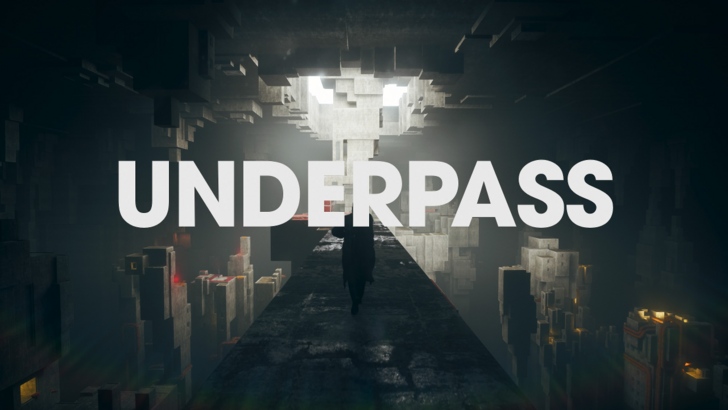
Not only that, the game’s music selection fits its urban setting, with rap songs like “Say What” and the synthy “No Chains Can Last Forever.” Zoe, Dylan’s FBC friend and constant companion throughout the game, has a mixtape that she occasionally plays over her walkie-talkie for some satisfying needle drops. While the game does go beyond the realm of realism, these musical moments hype up both Dylan and me, hinting that it’s time to “take control” once more and take on these enemies with the music playing in the background. It’s a common Remedy experience nowadays, something that Alan Wake’s musical sections also mastered. All in all, these moments where the music kicks in remind us that this is still a game with human characters and not just... parasitic transdimensional lifeforms.
Faults in its Performance
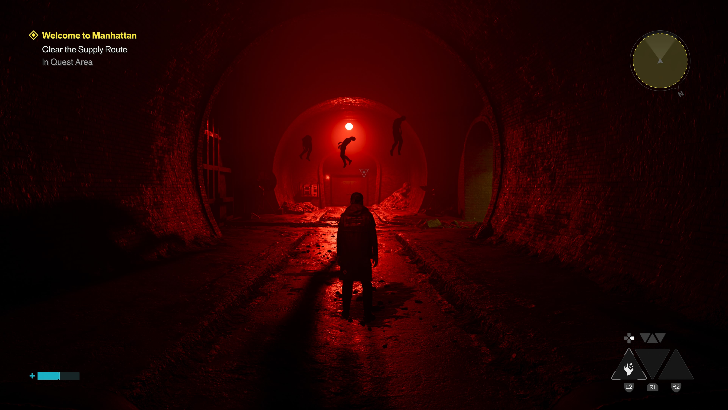
CONTROL: Resonant is by far one of the most visually pleasing games I’ve played this year, but I can’t say the same for its polish. Underneath its House of Leaves mysteries and Lovecraftian horrors, Resonant’s biggest elephant in the room is its performance. I’ve tried both Quality and Performance modes on my PlayStation 5 and found them both completely... weird. Don’t get me wrong, Performance Mode targets 60fps for the most part, especially during exploration in its semi-open world. However, the game sometimes drops into the sub-50s during heavy enemy encounters. In one particular Resonant boss fight, the framerate would tank into the low 50s whenever it spewed lava into my face, causing multiple mission failures and forcing me to go back and level up Dylan’s power level before taking it on again.
The game also freezes at times as Dylan dashes past certain areas. These stutters last long enough to make me wonder whether it’s my old PlayStation 5 or the game’s optimization going haywire during these encounters. I suspect it’s because the game is loading the next zone, but I shouldn’t have to encounter it in Performance Mode. The Northlight Engine is trying its best with this new shift to an open-space environment, which is also what happened with Alan Wake 2 during Saga’s exploration sections. Resonant, being a much bigger game, shows signs of struggling to keep up with all of its sci-fi shenanigans.
These performance dips weren’t a pleasant experience because they undermined the game’s solid art direction and presentation.
Remedy Has a Lot of Explaining to Do
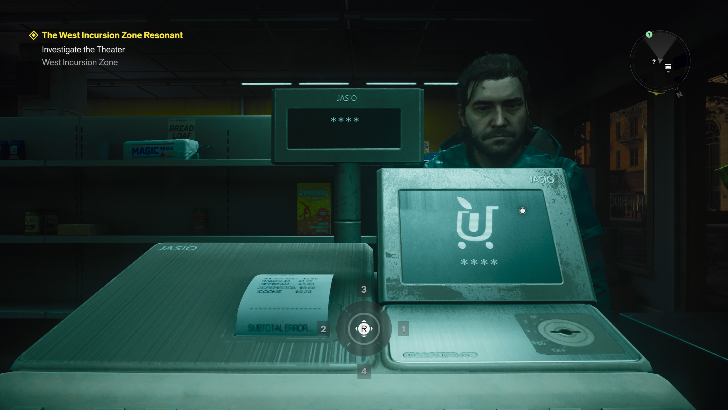
CONTROL: Resonant’s story is what really draws me into its strange world. Remedy understood that what made the original great was its intentionally trippy worldbuilding, and it doubles down on that in Resonant with gameplay sections that go completely out of the ordinary, as evidenced by moments like the Sinkhole and the game’s final level. This is the kind of game that opens up the more you read through pages upon pages of lore books and listen to NPCs as you explore. Heading straight to the main objective and refusing to take a gander at its story can leave you muddled and confused.
Resonant is also more than just a sequel to the first game. It’s a companion piece to the rest of the overarching Remedy Connected Universe. There were expectations that it would tie together the stories of Alan Wake and the Faden siblings, and while it does answer some lingering questions about the Fadens’ identity, it also opens another can of worms with its own mysteries, essentially teasing the possibility of a DLC or expansion. So if you’re expecting something that leads directly into the next Alan Wake, you might find a few breadcrumbs here, but don’t expect the full meal.
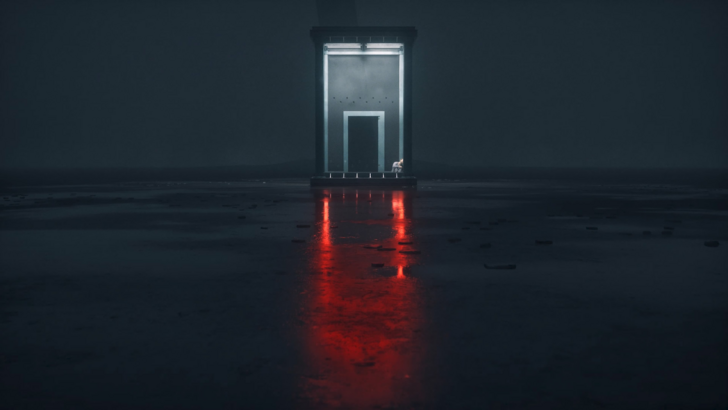
It took almost a decade before we finally got the answers we’re looking for after Control’s first two DLCs and Alan Wake 2’s DLCs, yet it still hasn’t completely ended in a much bigger payoff than I hoped it would.
This has always been one of my criticisms of Remedy’s endings, because they intentionally keep everything as vague as possible for players to theorycraft and discuss on forums. It was a fun little pastime before and it works to keep the community engaged for years on end, but having to do it a second time in Control’s sequel feels like a cop-out, considering some of Alan Wake 2’s story and the first Control game were building up to Resonant.
There’s barely any plot progression in this Control sequel aside from Dylan’s growth as a character, as the rest of the story is mostly hung up on teasing future content rather than giving us answers in the here and now. It’s something I really wasn’t a big fan of in Alan Wake 2, where you don’t get the full picture until you’ve played through its extended universe via DLCs and expansions. CONTROL: Resonant does the same thing, with an ending that ultimately feels underwhelming and circles back to the same plot threads.
And while its ending will be divisive for some fans, its core characters are still present, with their own arcs continuing, including Alan Wake easter eggs hidden somewhere in the world. New characters like Zoe also fit into the story well, with her carefree but snarky attitude juxtaposed against Dylan’s more nonchalant personality. She’s a great addition to the game and could potentially set up a DLC character like Kiran Estevez in The Lake House DLC, or even a budding romance plotline, which I definitely ship.
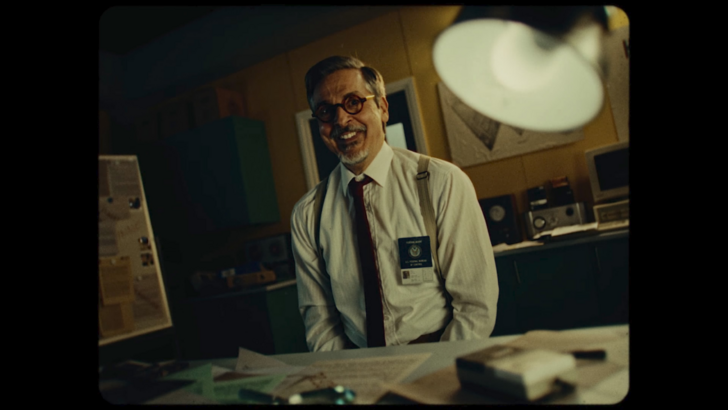
As someone who’s been following the series since the first Alan Wake game, it was also great to see the return of fan-favorite characters like Casper Darling, who still exists behind a projector, and Head of Research Emily Pope, two of Jesse’s confidants from the original who really steal every scene they’re in.
Is CONTROL: Resonant Worth It?
Yes, If You’re a Big Fan of the Remedy Connected Universe
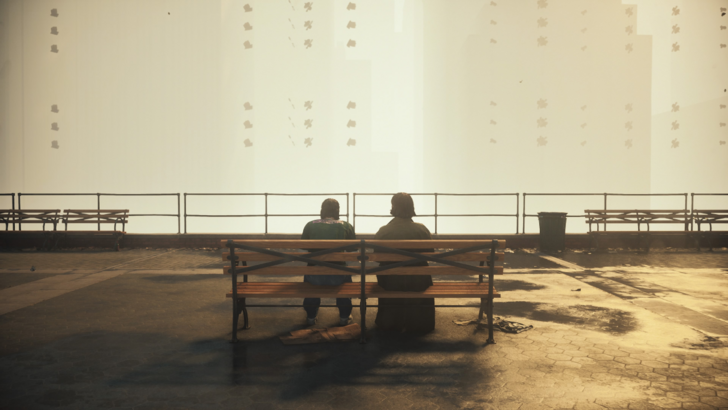
CONTROL: Resonant is a fantastic sequel built for fans of the Remedy Connected Universe. It’s as much a companion piece to Jesse’s adventures as it is Dylan’s story, answering some of the biggest questions about their mysterious origins while opening another floodgate of mysteries that’ll leave you wanting more.
That said, you can’t simply hop into this game without some prior knowledge. It expects you to follow the first Control’s story, as well as Alan Wake’s, and while its deeply satisfying combat and incredible presentation can still amaze newcomers, the story can quickly become confusing without the proper context. If you’re willing to do the homework, however, 40 or more hours of weird sci-fi adventure await, and that might be the cue you need to dive into Remedy’s other games.
CONTROL: Resonant is a monumental achievement for Remedy Entertainment in terms of technical scale and ambition, even when its noticeable performance issues often get in the way. It takes the original's weirdness and expands it with out-of-this-world level design and art direction, making it the studio’s biggest, better, faster, and stronger entry yet.
FAQ
Does CONTROL: Resonant Have New Game Plus?
Yes. CONTROL: Resonant has New Game Plus, and it is available after completing the main story. Players can start a fresh run while carrying over much of Dylan’s progression except for the movement abilities when they enter The Gap again and interact with the mural.
Does CONTROL: Resonant Have Photo Mode?
No, CONTROL: Resonant does not have Photo Mode at launch, but Remedy has confirmed that it’s coming sometime in November 2026 as part of their post-launch plans.
Does CONTROL: Resonant Have References to Alan Wake?
Without giving too much away, yes, Alan Wake is here in CONTROL: Resonant in some capacity.
Game8 Reviews