The Legend of Zelda: Ocarina of Time remake was confirmed to arrive later this year during the Nintendo Direct on June 9. Read on for more details.
The Legend of Zelda: Ocarina of Time Remake Has Been Confirmed
Trailer of a Tapestry Weaves Together Lore, Confirms 2026 Release Date
The Legend of Zelda: Ocarina of Time (OoT) remake was announced during the June 9th Nintendo Direct with a fully 3D cinematic trailer. After almost three decades, the 1998 classic is finally coming to a modern console in 2026. Nintendo will reveal specific details about the game’s launch for the Switch 2 at a later date.
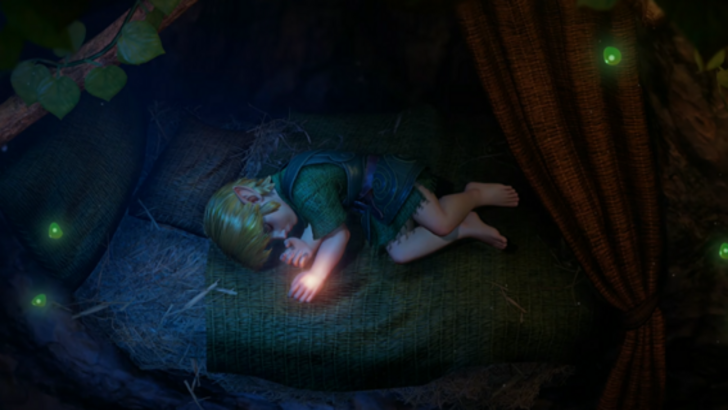
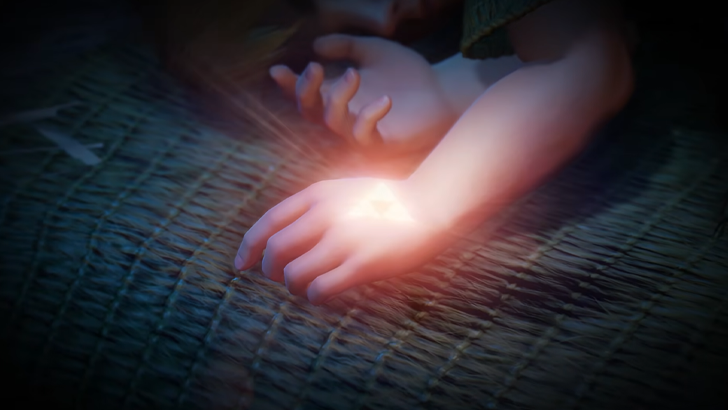
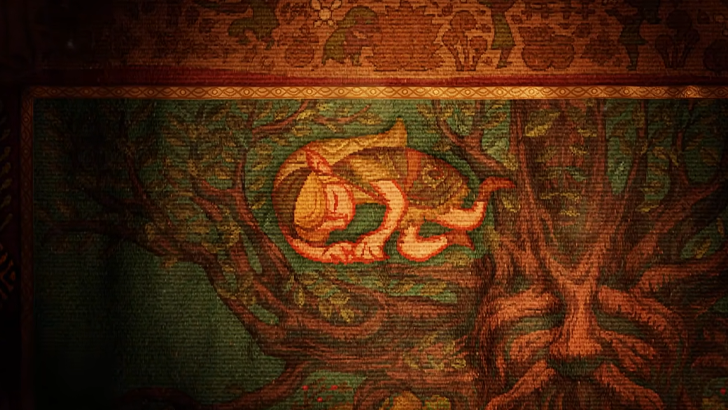
The 90-second trailer did not feature any gameplay, but was packed with classic Zelda lore. It begins with a narrative exploration of events depicted on a woven tapestry before transitioning into a fully 3D model of a sleeping Young Link, with the Triforce symbol glowing on the back of his hand.
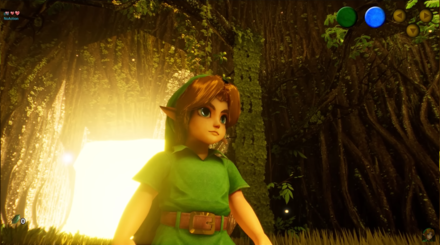
Fans took to social media to celebrate the unexpected news. However, Young Link’s design and the trailer’s graphics drew criticism from some who weren’t thrilled with its seeming departure from the original game’s classic cartoonish art style. Even so, critical fans promised to withhold judgment until more footage is released.
Trailer Introduces Plot, Features Foreshadowing and Easter Eggs
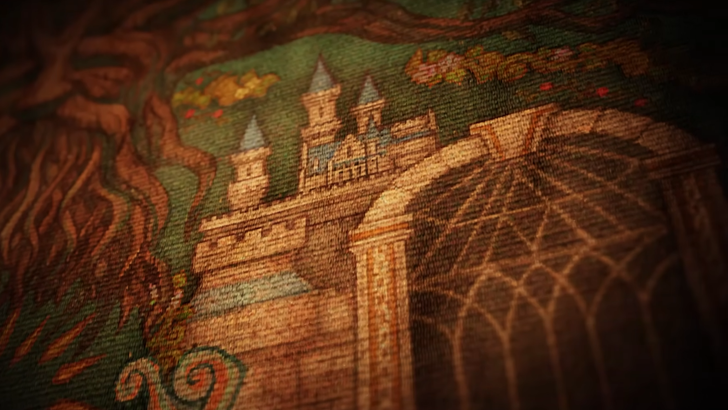
The trailer weaves together Zelda lore with 3D visuals, deep-voiced narration, and nostalgic music. It begins by chronicling events depicted on a tapestry, suggesting that the events in Ocarina of Time have already come to pass and are now etched into the history of Hyrule, the series’ primary setting.
The narration begins by stating that Hyrule was created by beings of supreme divinity,
referring to the three goddesses, Din, Nayru, and Farore. From these three beings come the three pieces of the Triforce, powerful artifacts that represent power, wisdom, and courage.
The Triforce symbol is later seen in the trailer glowing on the back of Young Link’s hand, foreshadowing the events of OoT, where Link comes into possession of the Triforce of Courage.
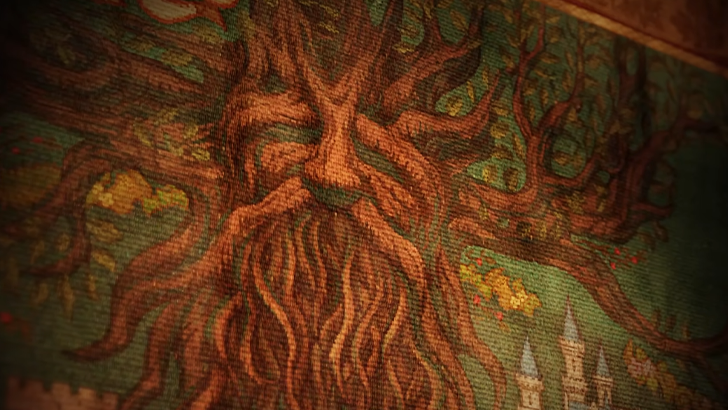
The narrator also talks about the Deku Tree, an ancient tree that watches over an ageless forest-dwelling species called Kokiri, who each have a fairy companion. Before transitioning into the first look at a sleeping Young Link, the narrator introduces him as "a particular boy who did not have a fairy." In OoT, Young Link initially believed he was a Kokiri, before later discovering his Hylian origins.
Later in the trailer, just like in the beginning of OoT, Young Link is seen sleeping. He dozes on a bed of hay and woven grass inside a tree, while dressed in a woven green tunic with a black leather layer on top. The layer is decorated with a swirling symbol typically associated with the Kokiri, pointing once again to Link’s initially believed origins.
Variations of classic OoT musical themes are also played at different times during the trailer. Saria’s Song plays while Hyrule is being introduced, and the Kokiri Forest theme plays when the narrator talks about the Deku Tree and the Kokiri. Finally, a version of the Hyrule Field Main Theme plays when the Triforce symbol glows on the back of Link’s hand, signaling the start of his adventure.
Shocking, But Not Surprising
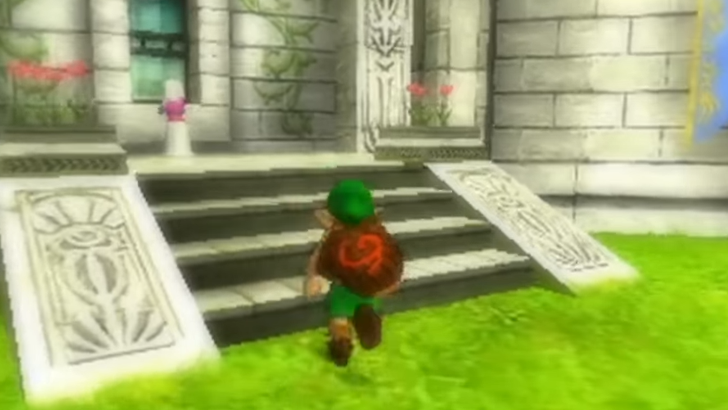
The announcement was unexpected, but a remake of OoT might not be surprising for those who follow Zelda news closely. Eiji Aonuma, the current series producer, who has been a primary driving force behind every Zelda title since directing OoT, has been vocal about wanting to improve older titles by reimagining them for newer consoles as part of the series’ shift to a more non-linear formula. This shift began with the massively successful The Legend of Zelda: Breath of the Wild (BOTW).
A 3DS remake of OoT was released in 2011 for the Nintendo 3DS, following Aonuma’s statement to Revogamer in 2009 that he found the beloved title, which is considered by many to be the best game in the series, was "not as good" as modern series entries.
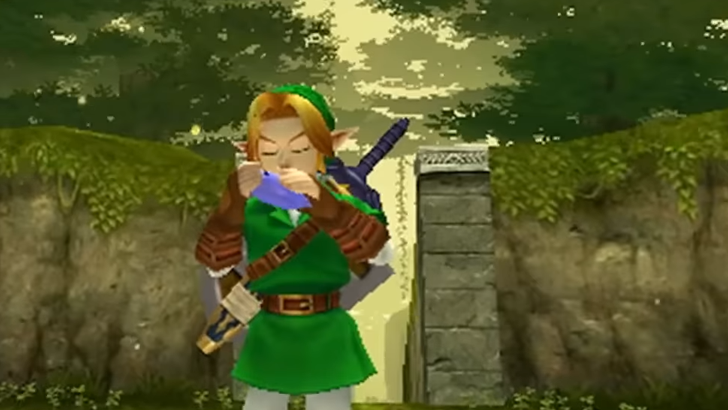
In 2023, Aonuma told IGN that he "doesn’t put too much stock in the chronology of the series," and that The Legend of Zelda stories work best when people "interpret on their own." This shift to non-linear storytelling for both new and remade Zelda titles has proved commercially successful, drawing in new fans and record sales.
BOTW is the best-selling series title at 34 million copies, with The Legend of Zelda: Tears of the Kingdom following at 21 million copies.
OoT holds the third spot in sales rankings among Zelda series titles, with 14 million copies sold across the Nintendo 64 and 3DS. To stay up to date on the latest news about the game, check out our article below!
Sources:
Nintendo Direct
The Legend of Zelda Sales Statistics
Revogamers Interview
IGN Interview