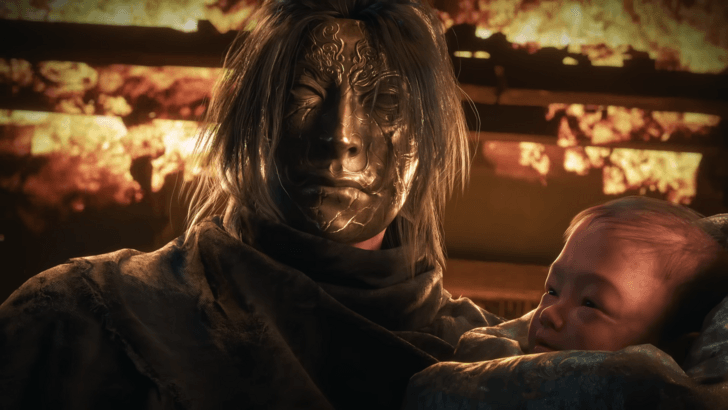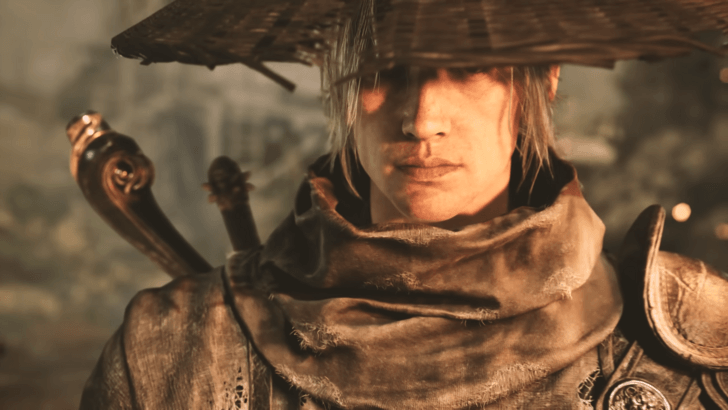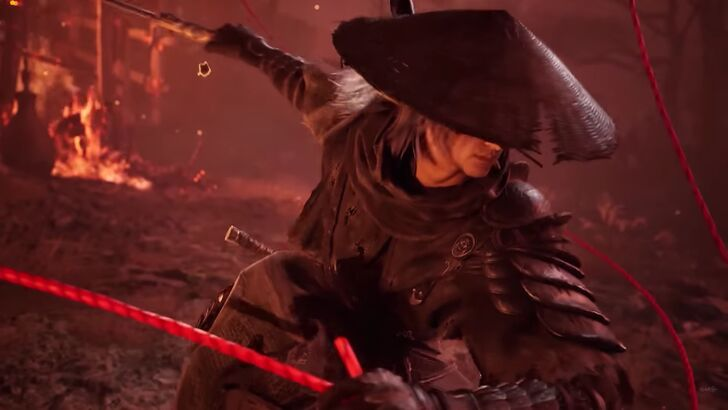



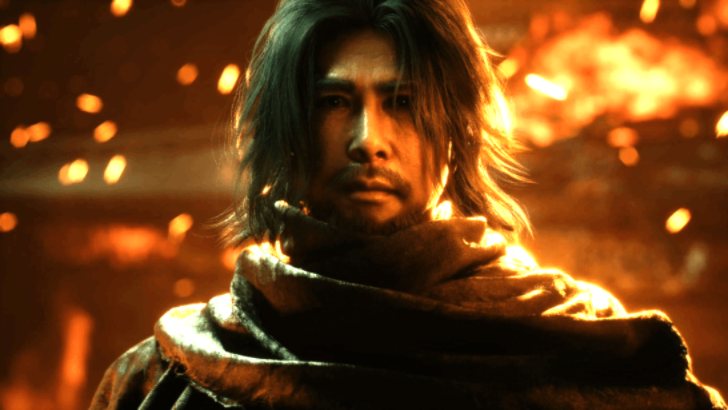
Phantom Blade Zero's State of Play dove into combat, weapons, and Donnie Yen's role, but 66 Days mode stands out most, turning Soul's in-story death sentence into an actual permadeath difficulty option.
Kung Fu, Countdown, and a Killer New Difficulty Mode
66 Days Mode Makes Soul's Countdown Permanent
Phantom Blade Zero, the upcoming action RPG from Chinese developer S-Game, finally got its own dedicated State of Play on August 17, delivering on a promise founder and CEO Soulframe Liang made back in June. When Liang pushed the game's release date back roughly 50 days, from September 9 to October 29, he told fans in a post on X that once pre-orders opened, a State of Play devoted entirely to Phantom Blade Zero would follow: a focused dive into the game's world, combat, exploration, and progression systems, with nearly everything shown being new. This week's broadcast made good on that, covering combat, weapons, and martial arts star Donnie Yen's role in Soul's story, alongside a new permadeath difficulty option called 66 Days mode.
Despite early gameplay drawing comparisons to Soulslike titles like Elden Ring, Liang has pushed back on that label directly, describing the game in a June 2025 developer letter as closer to what he's coined "Wuxia Action," blending fast-paced martial arts combat with the cinematic, historically rooted storytelling of classic kung fu and wuxia films.
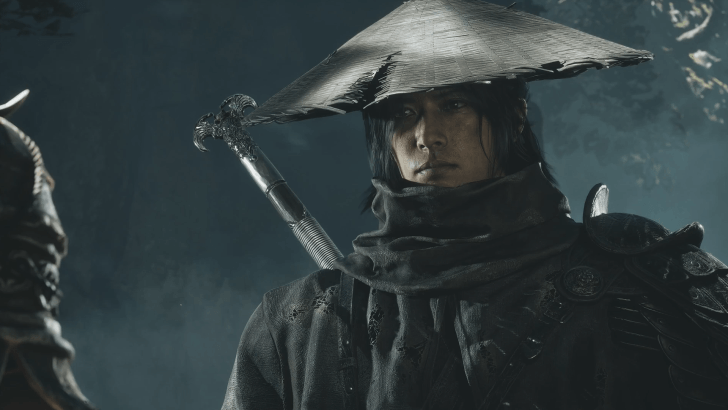
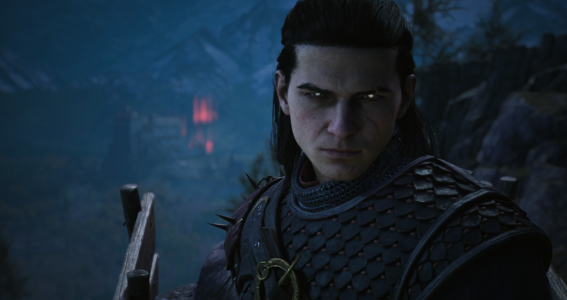
The story centers on Soul, the game's protagonist, who's been framed for his master's murder, betrayed by his own blood brother, and left alive only through a mysterious healer's intervention, one that comes with a fatal condition giving him just 66 days to live. Per the game's latest State of Play deep dive, that number isn't just a story detail. It's also the name of the game's hardest optional difficulty mode, and it plays exactly as bluntly as it sounds: every death costs the player time, and if that 66-day clock hits zero, the run ends in permanent death.
That's a meaningfully different pitch than the genre's usual difficulty options, which tend to just scale enemy damage or aggression up or down. The 66 Days mode instead ties Soul's fictional mortality directly to a mechanical stopwatch, turning every fight into a resource and raising the stakes of failure compared to a simple "load last checkpoint." Since the Soulslike genre is partly based on players choosing to play a challenging game, a built-in, narrative permadeath mode is the kind of feature that tends to generate exactly the bragging rights and clip-sharing conversations developers hope for.
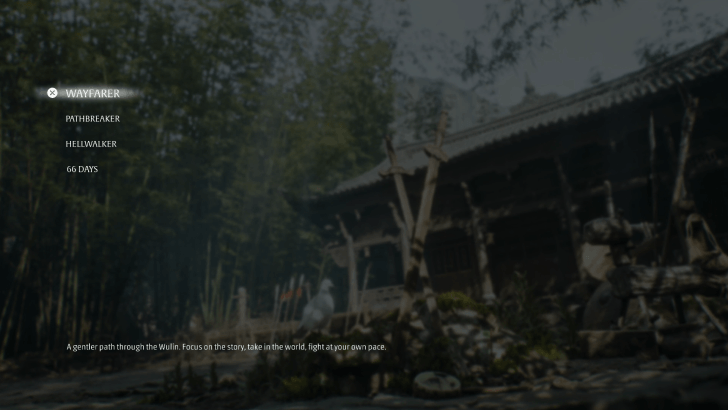
However, it's not the only difficulty option on offer. According to the PlayStation Blog post, written by S-Game founder and CEO Soulframe Liang, Wayfarer mode is built for players who want to focus on the story with a more forgiving, cinematic combat experience. Meanwhile, the Hellwalker mode revolves around enemy AI that, according to the deep dive video, reacts to spacing, punishes whiffed attacks, and adapts to a player's habits instead of using fixed patterns.
The Wulin Setting Borrows Its Stakes From Wuxia Fiction
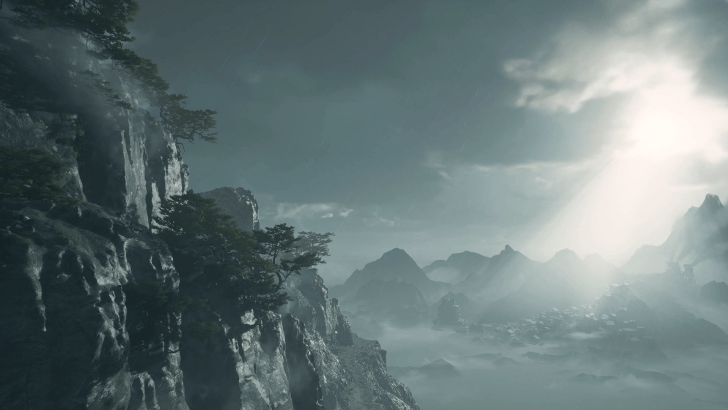
The PlayStation Blog post describes Phantom Blade Zero's setting as the Wulin, calling it "a place rife with conflict and intrigue" where Soul crosses paths with citizens caught up in the wider conspiracy around him. That word choice is doing more work than it might look like. In wuxia fiction, the Wulin (sometimes rendered Jianghu) isn't a physical kingdom with borders on a map; it's the shadow society of martial artists, sects, assassins, and wandering swordsmen who operate by their own code, largely outside the reach of formal law.
Decades of wuxia novels and films have used that setting specifically because it lets betrayal, honor, and vengeance play out with real consequences: there's no king to appeal to and no court to settle a grudge, only reputation and the blade. That's the tradition Phantom Blade Zero is explicitly drawing from, and it's worth knowing going in, because it reframes Soul's 66-day death sentence less as a video-game gimmick and more as a plot device lifted straight from the genre's own playbook, where a ticking clock or a poisoned body is a classic setup for a hero who has nothing left to lose.
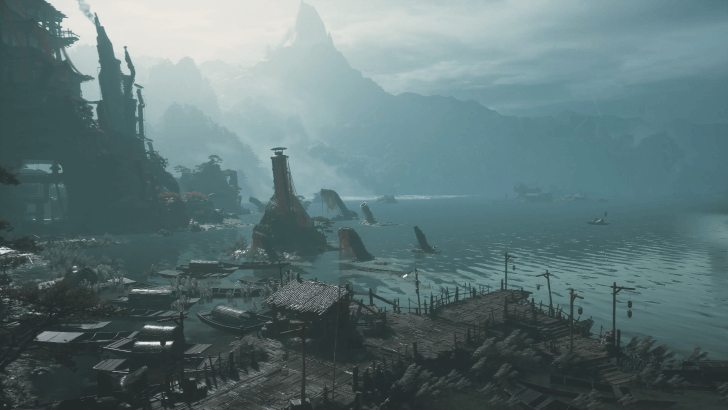
It also explains why S-Game keeps stressing that the world is handcrafted rather than procedurally sprawling. A Wulin built for wandering swordsmen works best as a series of dangerous, distinct territories, each with its own factions and grudges, rather than one seamless open map; the structure supports the kind of story Liang says he's telling.
Combat Features More Than 30 Weapons and Reforgeable Builds
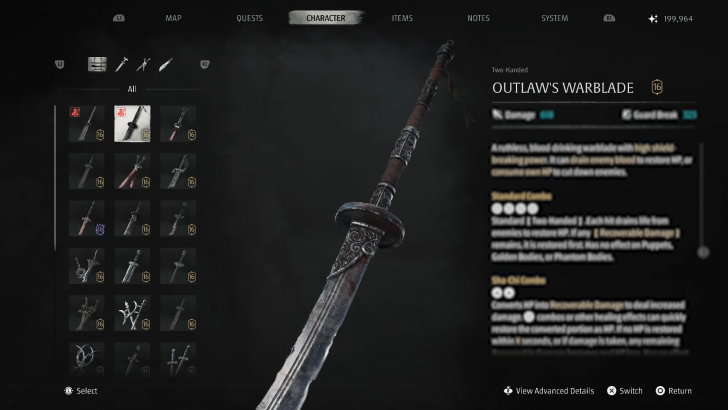
Outside of its difficulty options, the deep dive spent significant time on Phantom Blade Zero's weapon and build systems. Per the PlayStation Blog, players will unlock more than 30 primary weapons over the course of the game, alongside 25 secondary weapons called Phantom Edges, with named examples shown in the deep dive including the Drunken Sword Style, the twin-bladed White Serpent and Crimson Viper, the Soft Snake sword, and the Tiger Cannon.
Weapons can be upgraded and paired with accessories to build a specific combat style, whether that means favoring ranged options, calling in summons for assistance, or leaning into a specific weapon's unique techniques, which the deep dive noted gets unlocked as that weapon is upgraded rather than being available from the start.
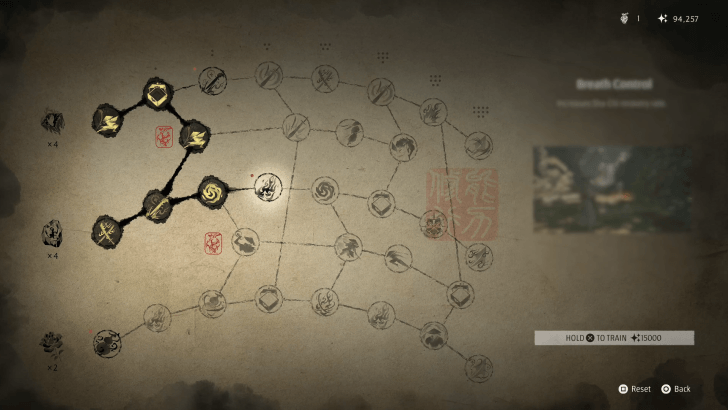
To keep that experimentation low-risk, the game includes a Reforging Talisman, which lets players fully reset a weapon's upgrade level and recover the materials spent on it to reinvest elsewhere, addressing a common frustration in build-heavy action RPGs where players feel locked into early upgrade decisions. The PlayStation Blog also noted that some enemies expand the player's available arsenal when defeated, tying weapon progression directly into combat encounters rather than separating it out into crafting or shop systems.
A Publicly Tested Combat System
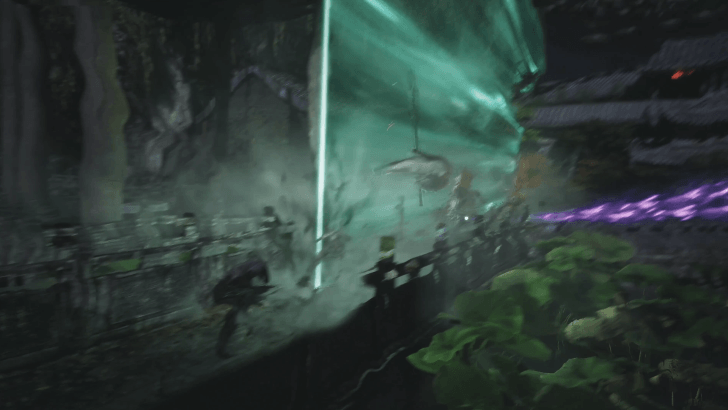
S-Game didn't wait until this week's broadcast to put Phantom Blade Zero's combat in front of players, though this was the most detailed public look at it to date. Per Notebookcheck's reporting, content creators including YouTuber Punish got hands-on time with a 60-minute playable build at a two-day S-Party event in Beijing back in July 2025, followed by a 500-square-meter, 60-station booth at Gamescom 2025 in Cologne that August, with additional showcases at ChinaJoy and Tokyo Game Show the same year.
That's a notably long public testing runway for an action RPG built around precise parrying and stance-switching. It also lines up with the roughly 50-day delay S-Game announced this past June: rather than a rushed, last-minute schedule slip, the extra development time capped off more than a year of the studio putting the combat system in front of real players at conventions and adjusting based on what didn't land.
Donnie Yen Plays Both Consultant and Character
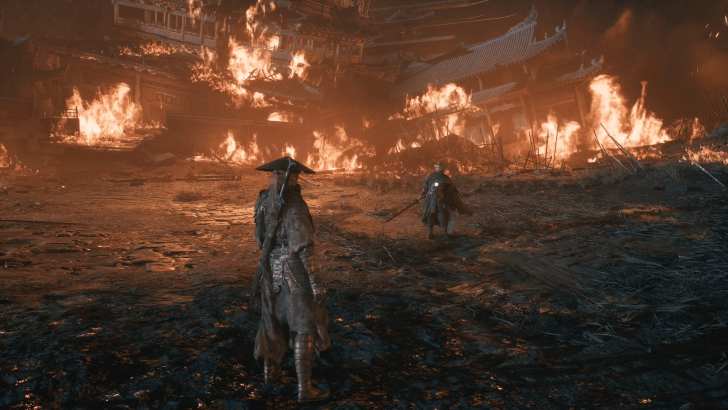
Martial arts star Donnie Yen, known to Western audiences for the Ip Man series, Rogue One: A Star Wars Story, and John Wick: Chapter 4, serves as Phantom Blade Zero's Creative Consultant while also providing facial and motion capture for Mó Yuan, a martial arts master, per the PlayStation Blog post. It's a role that goes beyond a typical celebrity cameo: Yen built his reputation over decades in Hong Kong action cinema as both a performer and an action choreographer, and Liang described the collaboration as central to the game's authenticity, crediting Yen's involvement with helping translate real kung fu cinema technique into the game's combat rather than treating it as a licensing exercise.
According to an earlier PlayStation Blog post announcing the State of Play itself, Yen has held the Creative Consultant role since 2023, meaning his input has shaped the combat system since well before this week's broadcast rather than being brought on late for marketing purposes. That dual background, performer and choreographer, is precisely why his "Creative Consultant" credit here means something different than a typical celebrity tie-in: it's the same skill set S-Game needs to make Soul's swordplay read as authentic technique rather than stylized button-mashing, and it maps directly onto the "Wuxia Action" label Liang has used to describe the game since mid-2025.
A Delayed Release Now Locked to October 29, With a Console Exclusivity Window
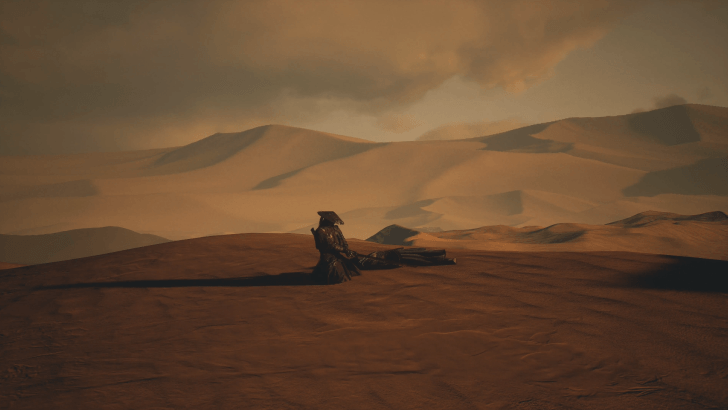
All that groundwork, from Yen's involvement to years of convention testing, is finally coming together for players on a set date. Phantom Blade Zero releases October 29, 2026, on PS5 and PC via Steam and the Epic Games Store, day and date across all three storefronts. That date is itself a change worth knowing about: according to the official Phantom Blade Zero account, the game was originally set to launch September 9, 2026, a date S-Game had deliberately chosen to symbolically mirror Soul's own reversal of fate.
In June, Liang announced a roughly 50-day delay to October 29, apologizing directly to the community and describing the decision as necessary to give the game "one step further" before release, rather than ship it with room left for improvement. According to a post on the official Phantom Blade Zero X account, the extra time specifically went toward a final polish pass, including upgraded character models, reworked environments, and additional effort to preserve the game's visual quality for players who don't have ray tracing enabled.
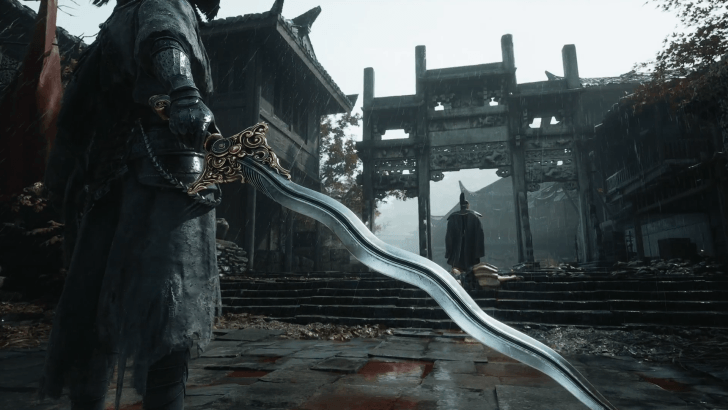
Beyond the release date itself, platform access won't be equal at launch. Per a disclaimer shown at the end of the game's official release date announcement trailer, the PS5 version carries a 12-month console exclusivity window, meaning Xbox and Switch players won't have access to the game until at least October 2027, while the PC version isn't affected by that restriction. For players on PC specifically, the game is built on Unreal Engine 5 and will support Nvidia DLSS 4.5, including Super Resolution and Multi Frame Generation, alongside ray-traced reflections, shadows, and caustics, according to NVIDIA's own GeForce News post detailing the game's technical specs. On PS5, the PlayStation Blog confirmed support for adaptive triggers and 3D audio, tied into precision attacks and haptic feedback during combat.
Phantom Blade Zero also isn't as new an idea as its Unreal Engine 5 presentation might suggest. Per the PlayStation Blog, Liang wrote directly that the project traces back to Rainblood: Town of Death, a game he built solo using RPG Maker in 2010 while studying architecture, first in Beijing and then in New Haven. That project grew into the broader Phantom Blade franchise, primarily released on mobile in China, before Liang founded S-Game to eventually build what he's called "the spiritual rebirth of the original Rainblood" at a far larger scale for a global release. For more information on Phantom Blade Zero, including its full release date, platforms, and editions, check out the article below!
Sources:
Phantom Blade Zero – State of Play Gameplay and Story Deep Dive
Phantom Blade Zero State of Play Dives Deep Into Combat and the Wulin World (PlayStation Blog)
Official Phantom Blade Zero Delay Announcement (Phantom Blade Zero Official X Account)
Phantom Blade Zero Release Date Announcement Trailer (YouTube)
Phantom Blade Zero - PS5 Games (PlayStation Store)