


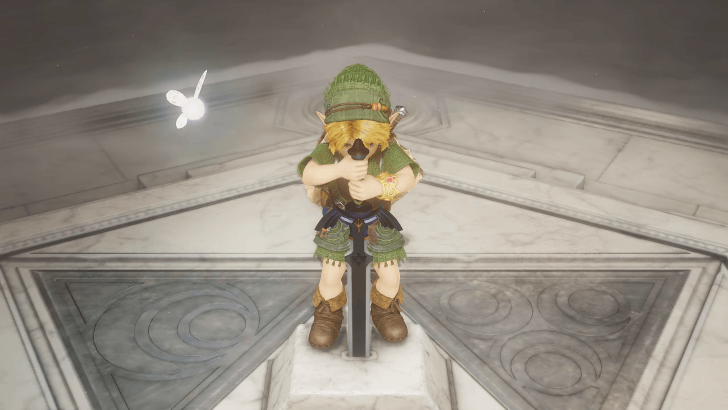
The Legend of Zelda: Ocarina of Time Remake got its first gameplay showcase at Zelda 40th Anniversary Direct. Here's a breakdown of what we liked, disliked, and where the fandom is split ahead of its November 5 release.
Ocarina of Time Remake Shows Off at The Legend of Zelda 40th Anniversary Direct
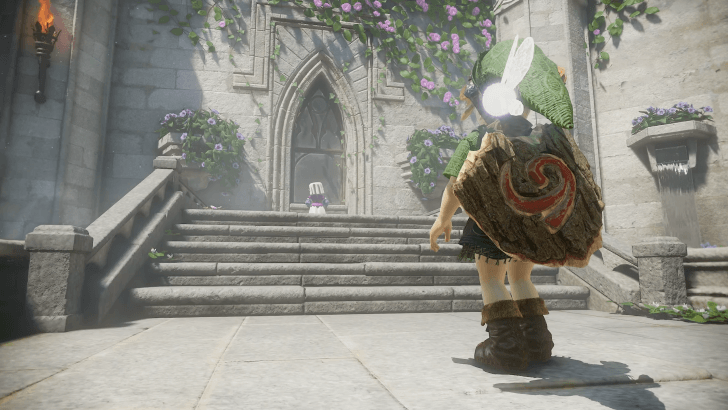
The Ocarina of Time Remake's gameplay demo kept coming back to one tension: how do you modernize a 1998 classic without losing what made it feel like Ocarina of Time in the first place? Series producer Eiji Aonuma set that tone directly, describing the remake as a faithful interpretation of Ocarina of Time built with modern technology,
a line that ended up doubling as a thesis statement for the entire hour. Almost everything shown afterward, for better or worse, comes down to how that tension between faithfulness and modernization actually played out. This was just one part of a much bigger showcase; see everything else announced at the Legend of Zelda 40th Anniversary Direct.
What We Liked About the Reveal
Castle Town and Hyrule Feel More Alive Thanks to Full Camera Control
The expanded Castle Town was one of the clearest wins in the whole presentation. In the original, Castle Town was a fixed-camera area built largely from flat, static backdrops standing in for buildings players could never actually approach.
During the Direct's live gameplay demo, series producer Eiji Aonuma walked Link through that same space with full camera control, revealing new alleyways, additional minigames, and background structures that are now fully modeled, walkable locations rather than painted scenery. The extra buildings and detail didn't come at the cost of the layout longtime players already know, which is a harder balance to strike than it looks.
On top of that, the day/night cycle now runs continuously no matter where Link is, even inside towns, whereas time used to freeze completely whenever players entered one in the original. That said, Nintendo did confirm one thing isn't going anywhere: Aonuma noted directly during the demo that loading screens between major areas, like the transition from Kokiri Forest into Hyrule Field, were intentionally kept in to preserve the feel of the 1998 original, rather than removed outright the way a fully modern open-world game might handle it.
Dashing and On-Command Jumping Make Movement Feel More Fluid
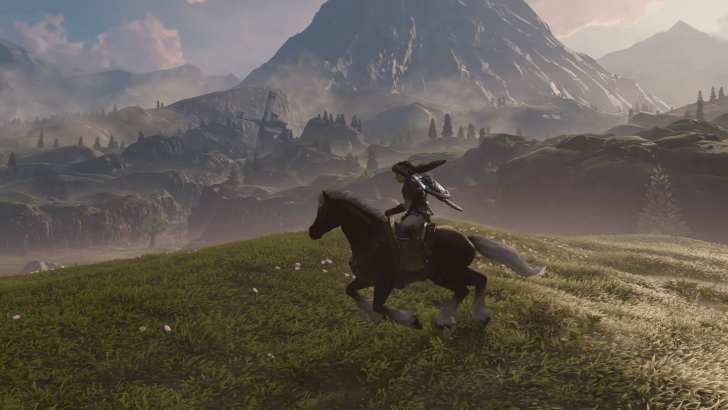
Dashing and jumping were both new additions shown off directly in the gameplay demo. Aonuma joked on stage about players rolling across Hyrule Field in the original just to move faster, noting that the roll button now doubles as a sprint when held down. Jumping got an even bigger overhaul: instead of automatically leaping off ledges the way Young Link always did, players can now jump on command with a dedicated button press, demonstrated as Link cleared gaps and small obstacles around Kokiri Forest that used to require lining up an automatic ledge-jump just right.
Link can also now toggle the Iron Boots, heavy footwear used to sink underwater or resist strong winds in the original game, on and off directly through a new BOTW-style quick-swap menu shown during the demo, instead of pausing to dig through a separate equipment screen.
It's the kind of quality-of-life fix nobody was loudly demanding, but one that should make traversal and combat feel noticeably smoother over a full playthrough.
The Ocarina's Microphone Feature Is a Genuine Standout
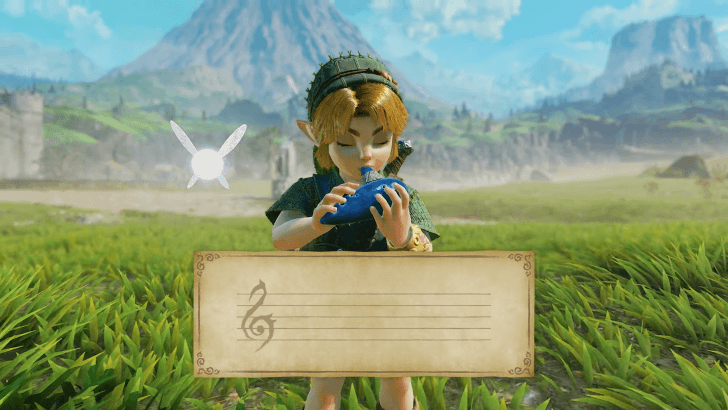
Aonuma demonstrated this feature live by humming Zelda's Lullaby
directly into the Switch 2's built-in microphone and watching Link perform it in real time, then followed it up by playing Epona's Song
on one of the physical ocarina peripherals Nintendo plans to sell alongside the game.
It's a clever use of the hardware, and it's not coming out of nowhere: the Switch 2's microphone has already powered voice-based minigames in Super Mario Party Jamboree TV, and Animal Crossing: New Horizons' Switch 2 Edition uses the same mic to let players call out to island neighbors through an in-game megaphone.
Ocarina of Time's version is arguably the most intuitive use of that hardware feature yet, and it's likely to produce some of the most shared clips once the game is out.
Combat Hits Harder With Better Sound Design and a More Useful Navi
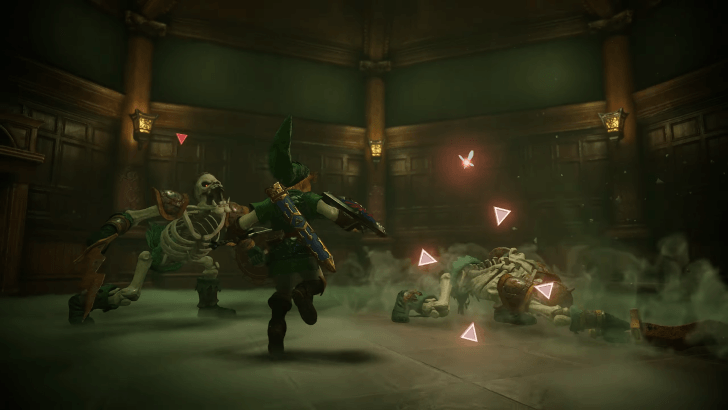
During a Hyrule Field combat encounter shown in the demo, hits landed with noticeably more impact than the original's simple sound effects allowed, and small environmental cues layered on top of that, like a drawbridge slamming shut in the rain as Link approached Castle Town at dusk, added an atmosphere the N64 hardware was never capable of.
Navi got a functional upgrade to match: rather than just nagging Link to pay attention, the fairy can now actively call out enemy weaknesses mid-fight; a genuinely new piece of combat support that didn't exist in the original beyond her famous, often-mocked interruptions that served as one of the industry’s earliest memes.
The overall audio and combat refresh goes a long way toward making Hyrule feel like a tactile, lived-in place rather than a collection of looping background tracks.
What We Didn't Like About the Reveal
Semi-Realistic Character Models Are Drawing Real Backlash
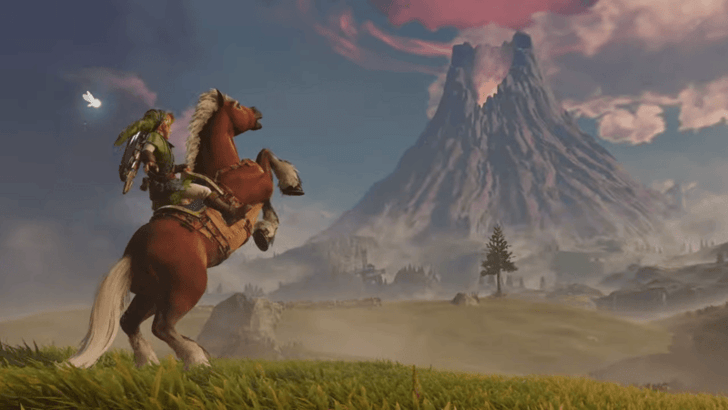
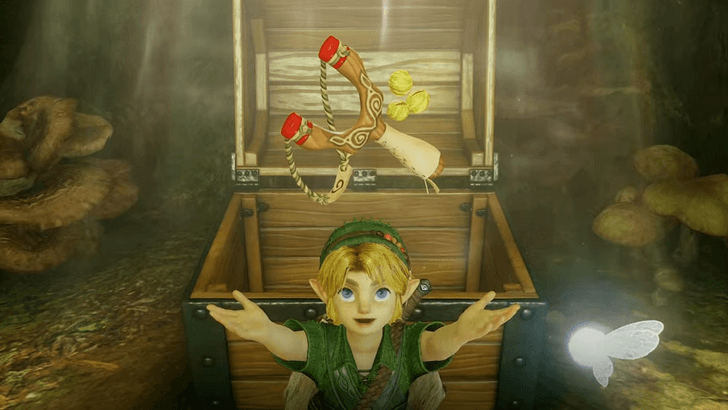
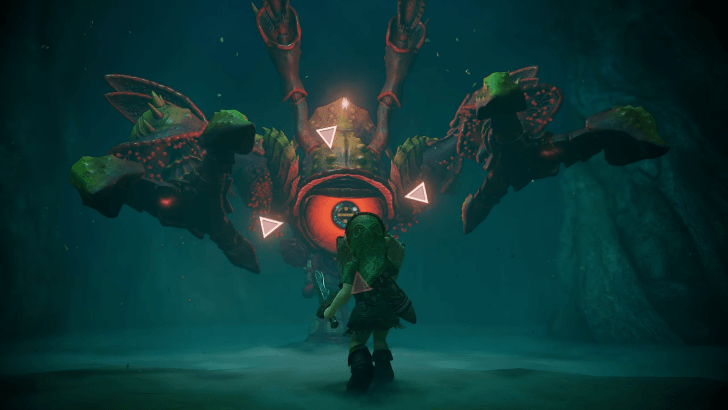
The biggest sticking point for much of the online reaction has been the shift toward a more grounded, semi-realistic art style overall, with the character models being where that criticism has landed hardest.
Zelda fans, ourselves included, were quick to notice that several character faces, including Link's and some of the shopkeepers', have a strange, slightly gaunt look that a large chunk of comparable to AI upscaling filters. One widely shared post on X asked why the reveal looks like it was run through DLSS 5,
while another described the moment as a realism jumpscare.
Kotaku's own coverage went as far as comparing the visuals to an Unreal Engine fan project. It's not a universal complaint, but it's loud, and once you've seen it pointed out in the gameplay footage, it's hard to unsee.
The Inventory Screen Clashes With the Rest of the Remake's Art Direction
The new quick-swap system for items and equipment is a clear win, letting Link cycle through gear on the fly the same way Breath of the Wild and Tears of the Kingdom handle inventory. The problem is that the full inventory and equipment screen players still pull up separately, which keeps a plain, gridded layout of item icons that looks visually closer to the original's utilitarian menu than to the rest of the remake's more painterly, atmospheric art direction.
Where the overworld now looks like a detailed, hand-crafted world, opening the inventory drops players into what still resembles a functional but flat spreadsheet of icons—a jarring enough contrast that it stood out even in the brief glimpse the demo gave it.
On its own, this is a minor detail, but UI is something players end up staring at for dozens of hours, so it's worth Nintendo revisiting before launch.
New Voice Cast Splits Fans Depending on the Character
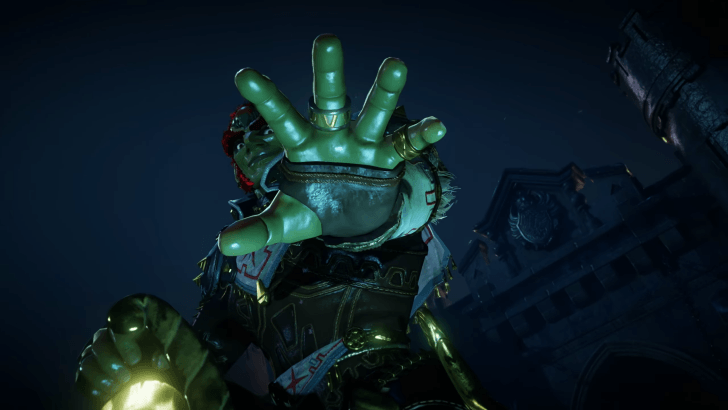
The new voice cast is a mixed bag based on the reveal alone, and the divide seems to fall along which characters previously had a voice at all. Ganondorf's new performance has been well received, with outlets covering the reveal singling it out as fitting the character, though who's actually behind it remains unconfirmed and contested. Some early coverage speculated the voice belongs to Matthew Mercer, who previously voiced the character in Tears of the Kingdom, while a separate report circulating on X claims it's actually Nick Apostolides, known for voicing Leon Kennedy in the Resident Evil remakes. Nintendo hasn't credited any cast members yet, so both names remain rumors rather than confirmed casting. Zelda's voice direction has drawn similarly positive reactions for matching how longtime fans always imagined her sounding.
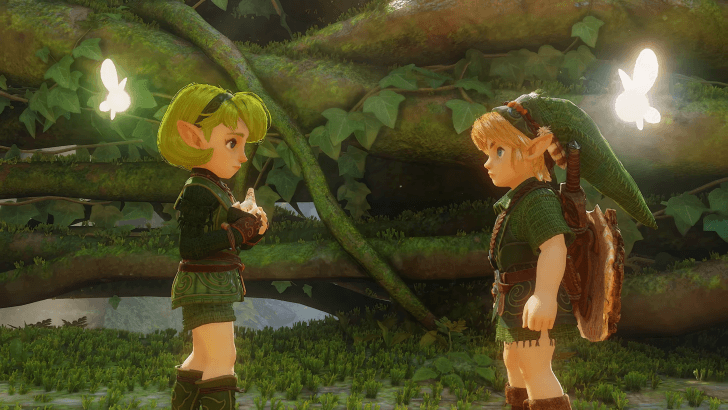
Navi and Saria fared less well by comparison. Navi already had a handful of short, voice-acted interjections in the original 1998 game, most famously her Hey! Listen!
, performed by Japanese voice actress Kaori Mizuhashi, but the remake marks the first time she delivers full sentences and extended dialogue rather than just brief exclamations. Per Kotaku's coverage, that shift struck several fans and outlets as genuinely strange rather than a welcome addition, since the Hey! Listen!
delivery has become such an ingrained, meme-worthy sound on its own.
Saria's new voice got a similarly lukewarm response, with at least one outlet's own writer admitting the performance felt slightly off compared to how the character has always sounded in their head. It's worth reserving final judgment on all of it until more of the game is shown.
Zelda Notes' Hint System Risks Undercutting the Series' Sense of Discovery
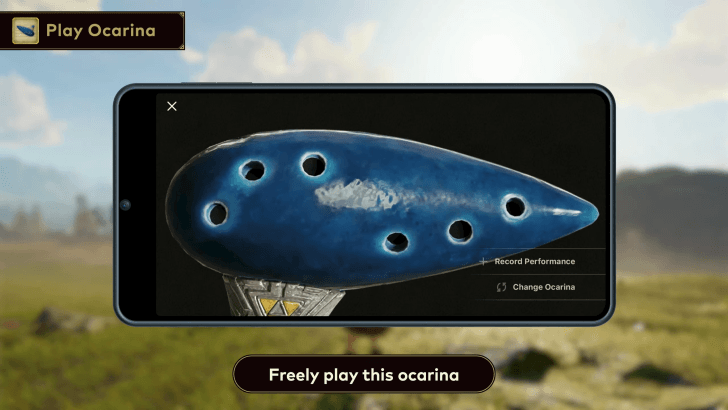
Nintendo's official press release confirms that ZELDA NOTES, a companion feature in the Nintendo Switch App, will support Ocarina of Time with a daily quiz, a virtual ocarina, and a location-hint system called Gossip Quest. The quiz can reportedly also be replayed using rupees earned in-game for extra attempts.
The individual features sound harmless enough on their own, but Zelda has always been a series built around exploration and discovery, a philosophy that's carried through even into more recent, more guided entries like Breath of the Wild and Tears of the Kingdom.
Layering an optional in-game checklist and hint system on top of that, even one players don't have to use, risks nudging players toward following a to-do list instead of stumbling onto Hyrule's secrets on their own terms, which didn't sit well with everyone on the team.
The Fandom Is Just as Divided as We Are
The comment section on Nintendo's official YouTube upload is full of fans in tears over the reveal. Comments praising the expanded Castle Town, the reactive environmental fog, and the overall whimsical fairy tale
art direction are racking up thousands of likes, with many viewers saying the game looks exactly how they remembered it as kids, even though the 1998 original never actually looked anything like this. One highly upvoted comment argued that pure photorealism would have been the wrong call for a game like this, and that a distinct, stylized approach to realism is what makes the new look work.
Reactions on X (formerly Twitter) tell a similar story of excitement, with posts calling the reveal absolutely beautiful
and comparing the new Castle Town to the dense, detailed towns found in other modern RPGs.
Plenty of the chatter has also been purely about timing: with the remake landing just two weeks before Grand Theft Auto VI, jokes about this is my GTA 6
and having OoT Remake and GTA VI in a two-week span
spread quickly, even though the two games share little beyond a release window.
But scroll further into the same YouTube thread or search around online, and the tone shifts. Alongside the praise, there's a steady stream of jokes about the character face models and comparisons to AI-generated content, with some fans openly saying the art style isn't working for them. Some players see the remake as a faithful, worthy reinterpretation of a classic; others think Nintendo overcorrected into uncanny-valley territory with its character models. Both camps are vocal, and right now, neither side shows signs of backing down.
Final Thoughts
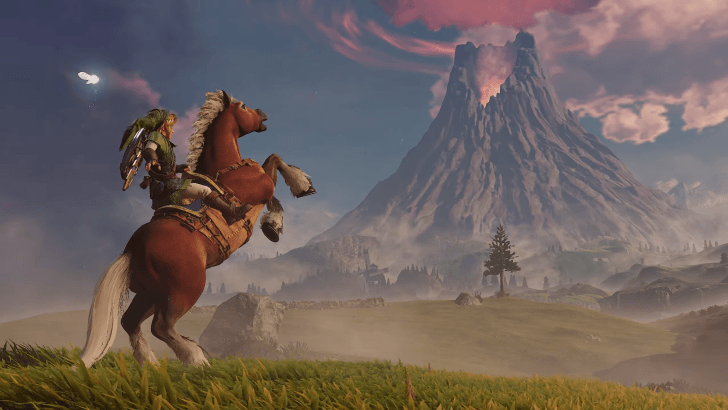
Taken as a whole, the Ocarina of Time Remake reveal showed a genuinely ambitious overhaul with several smart, welcome additions, the ocarina microphone feature and the always-on day/night cycle chief among them. That's bundled with some surface-level presentation choices that a large part of the fandom is struggling to look past.
None of it seems likely to derail excitement for the November 5 release, especially with a textured foil physical edition and amiibo support (Young Link and Young Zelda, unlocking masks based on the original N64 models) rounding out the presentation for collectors, but there's clearly some polishing left for Nintendo to do if it wants to win over the skeptics as thoroughly as it's already won over the nostalgic crowd. For a fuller rundown of how the remake stacks up against the 1998 original, check out our breakdown of 6 things the remake changes from the original.
The Legend of Zelda: Ocarina of Time remake will release on November 5, 2026, exclusively for Nintendo Switch 2.
Sources:
The Legend of Zelda 40th Anniversary Direct (YouTube)
Zelda's Ocarina of Time Remake New Graphics and Modernized Controls Are Dividing Fans (TechRadar)
Ocarina Of Time Remake Looks Like An Unreal Engine Fan Game And The Internet Has Thoughts (Kotaku)
Zelda: Ocarina Of Time Remake Changes One Of The Most Iconic Sounds In Gaming (Kotaku)