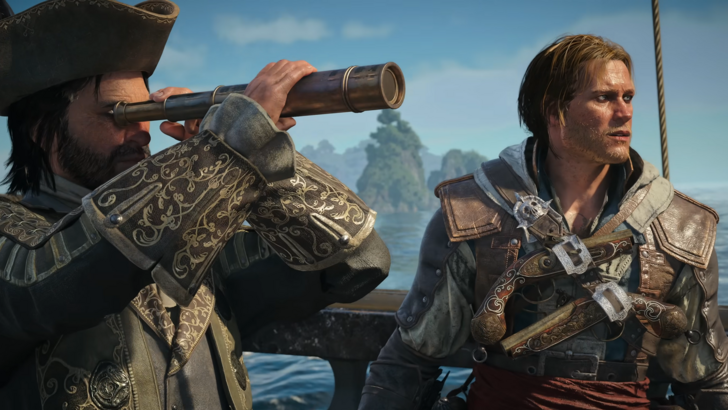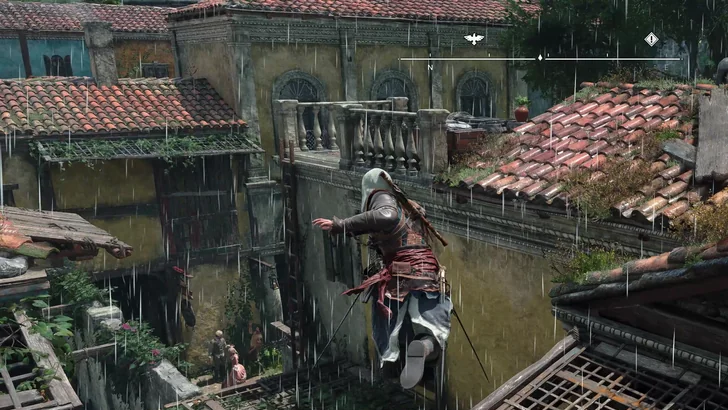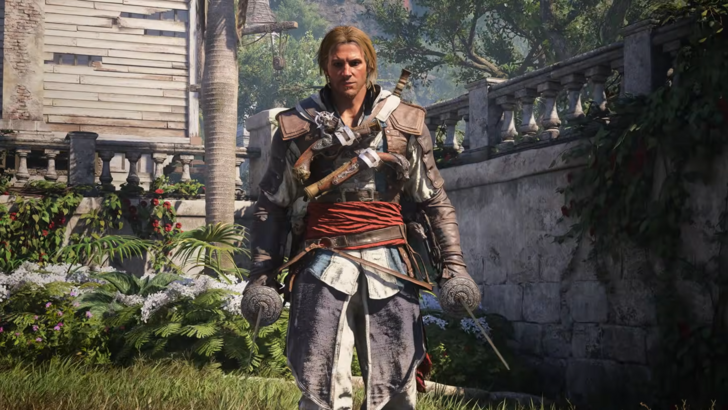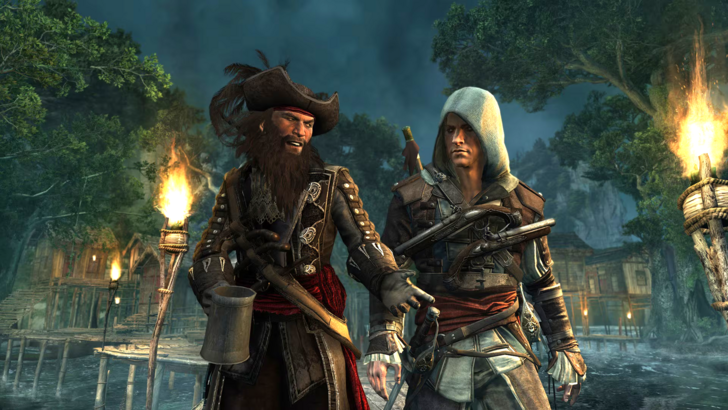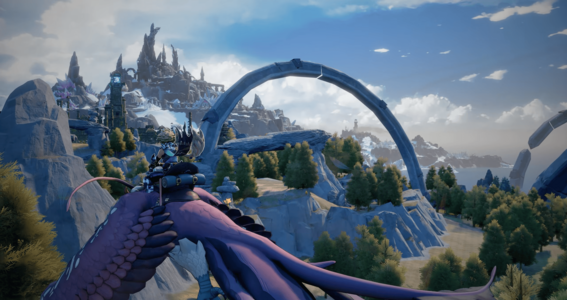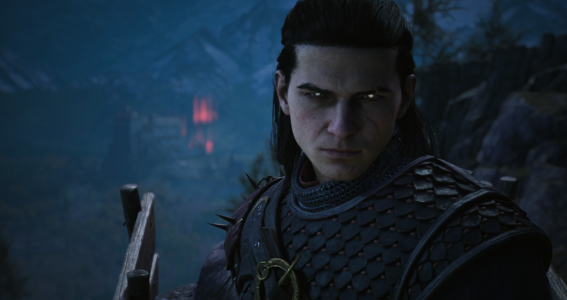


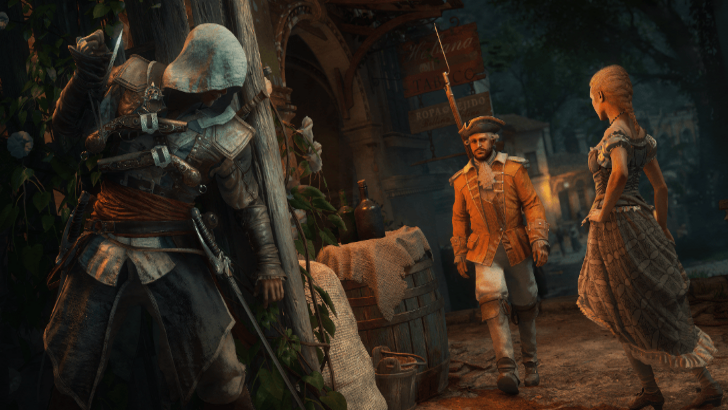
Ubisoft Philippines is marking its 10th anniversary with its biggest project yet: codeveloping on Assassin's Creed Black Flag Resynced. See more about the rundown of the gameplay systems the studio worked on and how they were shaped for the remake.
Ubisoft Philippines' Largest Project to Date
Developing Assassin's Creed Black Flag Resynced
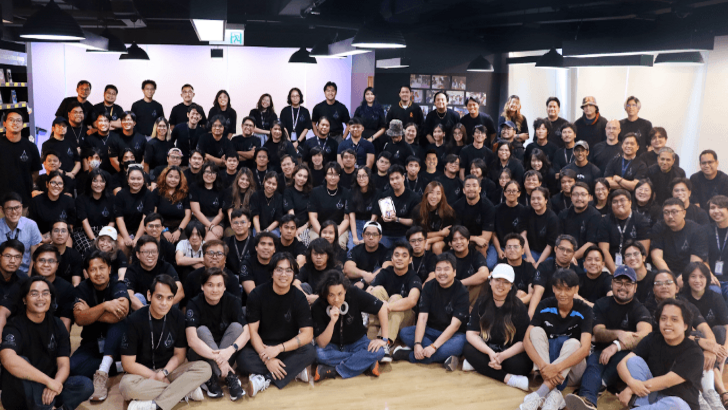
Assassin's Creed Black Flag Resynced, a ground-up remake of the 2013 original, is Ubisoft Philippines' 13th AAA co-development project and its eighth time working on the Assassin's Creed series. The studio partnered with lead developer Ubisoft Singapore, joined by teams from more than a dozen other Ubisoft branches around the world.
Associate Producer Alfonse Angliongto said, "This was the first time the studio was entrusted with a project of this scale, with full responsibility and accountability for driving its successful delivery." Their team was lauded for taking the lead on systems like Forts and Harpooning, along with the detailed recreations of Kingston, Port Royale, and Long Bay.
Before diving into development, the team dug through fan feedback, forum threads, and community playthroughs to figure out what players loved most about the original and what could stand to be improved. Their main goal was to keep Black Flag's core identity intact while bringing everything up to current AAA gaming standards.
Forts Get a Satisfying Payoff
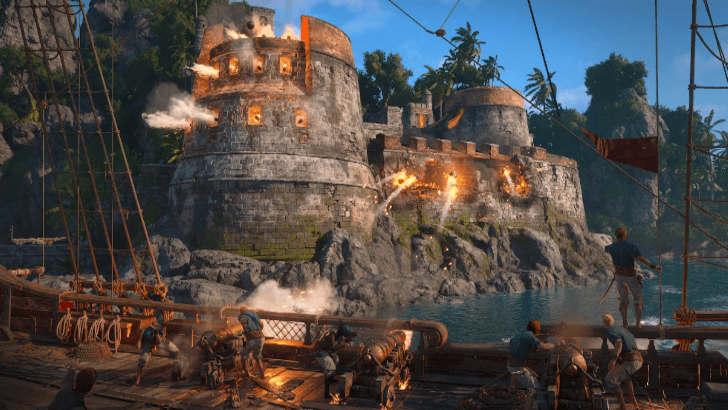
One of the bigger changes made goes to the Forts. Instead of charging in solo once a fort's defenses are down, players can call the Jackdaw crew along for the assault, with crewmates splitting their attention between fighting and looting. The ending of a Fort takeover was reworked as well since the commander now surrenders on the spot and locks himself in the war room, forcing Edward's crew to break the door down before one last confrontation.
Choogs Tan, lead game designer at Ubisoft Philippines, shared in specific detail how these enhancements deepen player immersion compared to the original title. Tan gave an example of the changes they’ve implemented to the Fort, comparing both the original and the remake. What the team mainly changed was how "Edward easily opens the Fort's war room and the commander raises his arms in surrender," since it was a goal of theirs to have "fleshed out the narrative with the Fort Commander."
In the remake, "Edward's crew now helps him force the war room door open, after which, the Fort Commander would hurl threats and attack Edward and his crew as a final act of defiance. After going through all this, the player will be rewarded by seeing the crew celebrating and looting", the Ubisoft PH lead affirmed.
Harpooning Now Runs on Physics
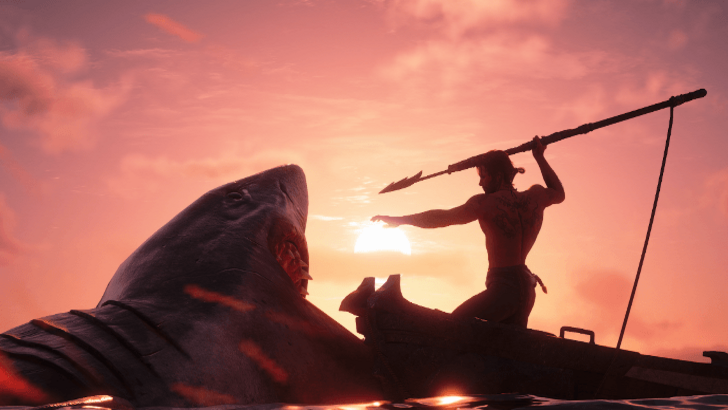
Lead Programmer Dennis Li provided his insights on the feature: "We wanted Harpooning to be more physics driven. In the original, once the harpoon hits the target, the rope is immediately taut until you capture the animal or the rope breaks. In the remake, it responds dynamically to player input and movement: when you aim the harpoon, when it’s thrown, when it hits the target, when the boat moves closer or farther. It seems very simple, but there’s a lot of things happening to make it just right."
Harpooning, a system their Animation team took responsibility for, was rebuilt to feel more realistic and responsive. In the original, the harpoon line stays tense and tight the moment it connects and remains that way until the catch or a break.
This means that the whole sequence now reacts to what the player is doing in real time: the aim, the throw, and how close or far the boat drifts from the target all shape the struggle. It may seem like a small-sounding change, but it's meant to make each harpoon catch feel more like a genuine physical struggle.
Finer Details in Modern Gaming
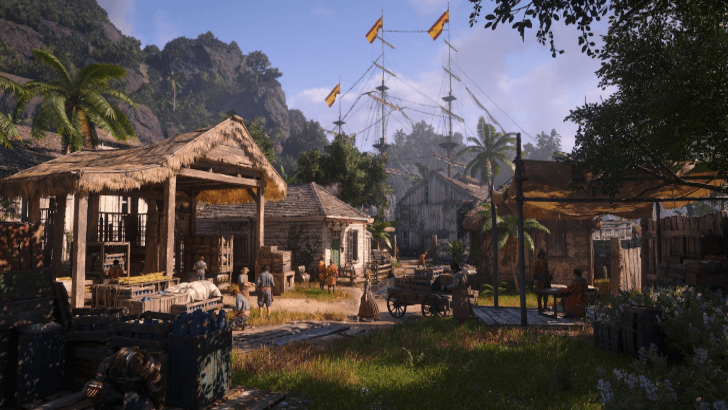
The Level Design and Level Art teams filled Kingston and Port Royale with small, unscripted moments meant to make each city feel inhabited, with locals ducking under verandas to dodge the heat and laundry being done along the riverbanks. Port Royale's mood alternately has its own appeal, shaped by the city's real history of natural disasters. On the sound side, the studio used its newly built 5.1 Surround Sound setup to layer in an authentic Caribbean audio backdrop, aiming to keep players immersed as they explore and take on quests.
A lot of the visual upgrade also comes down to tools that simply weren't practical to use at scale back in 2013. Physically Based Rendering now handles realistic material surfaces, Ray-Traced Global Illumination improves how light and shadow behave, and Micropolygon technology adds fine detail even at a distance.
Paired with the team's years of experience with the franchise, these tools helped them build some of the densest, most detailed environments the series has seen so far. Assassin's Creed Black Flag Resynced is out on PS5, Xbox Series X|S, and PC.