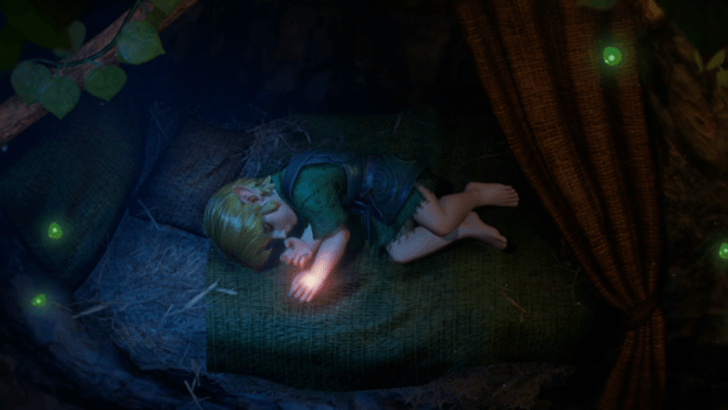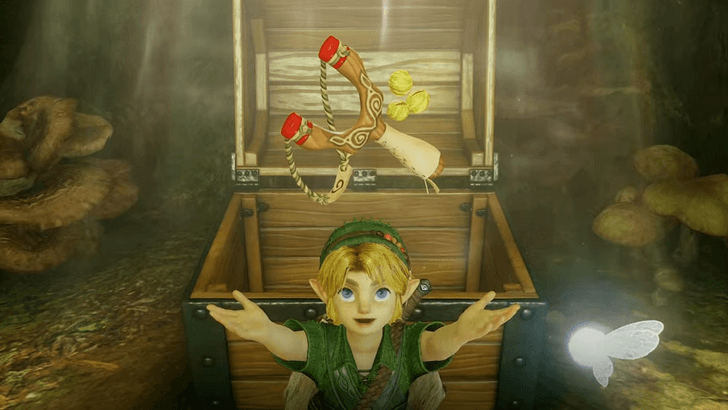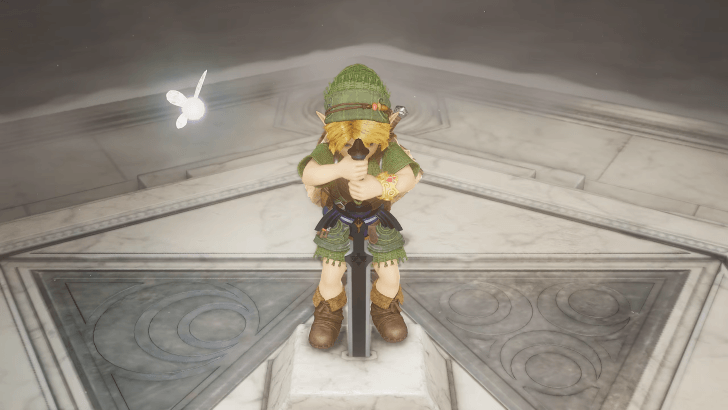



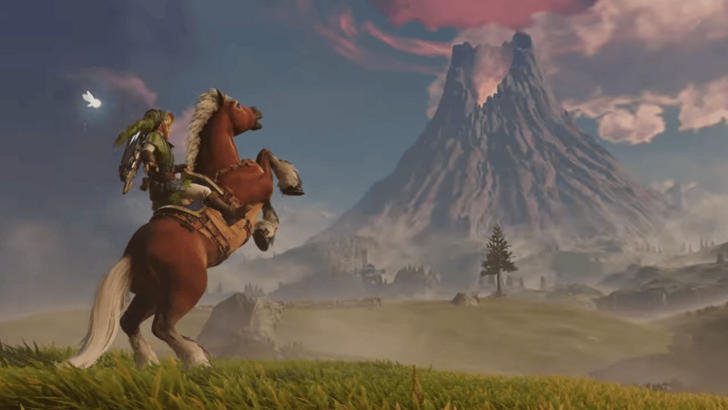
The Legend of Zelda: Ocarina of Time Remake is coming to Nintendo Switch 2 on November 5, 2026, bringing along new changes while remaining faithful to the original. Read on to find out all the revealed changes during Zelda’s 40th Anniversary Direct.
Ocarina of Time Remake Balances Modern Conveniences and Preserves the Original
Link Gains Dedicated Movement Buttons for Running and Jumping
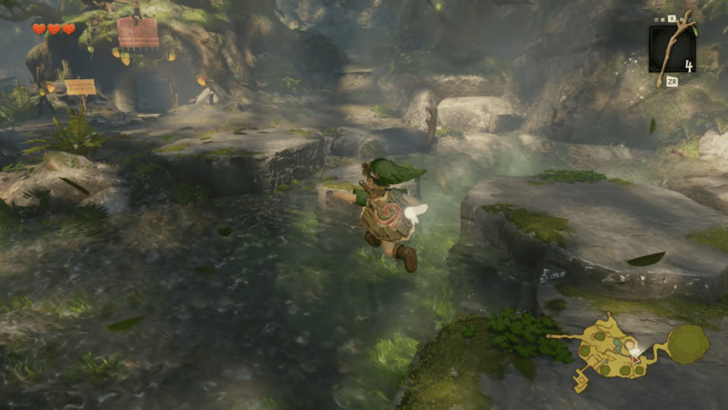
The Legend of Zelda 40th Anniversary Direct offered an extended look at the upcoming Legend of Zelda: Ocarina of Time remake, showcasing early story locations, gameplay footage, and new quality-of-life additions. The first significant change is that Link can now jump and run freely with dedicated button commands.
The gameplay showcased Link manually jumping between platforms on top of a pond in Kokiri Forest, whereas in the original, the hero would automatically jump when nearing an edge. Additionally, players won’t need to evade and roll through Hyrule anymore for traversal, as Link can now sprint.
Link was also seen diving underwater to grab a Rupee, the game’s currency, although this is more of a refinement of the old diving system rather than new movement. Link’s oxygen bar depleted rapidly, which could mean players will still need to acquire the Silver and Golden Scales to extend his time underwater.
Whether these additions are simply for keeping up with modern control layouts or will be used for new platforming challenges remains to be seen.
Threads of Time Tracks the Story and the Next Objectives
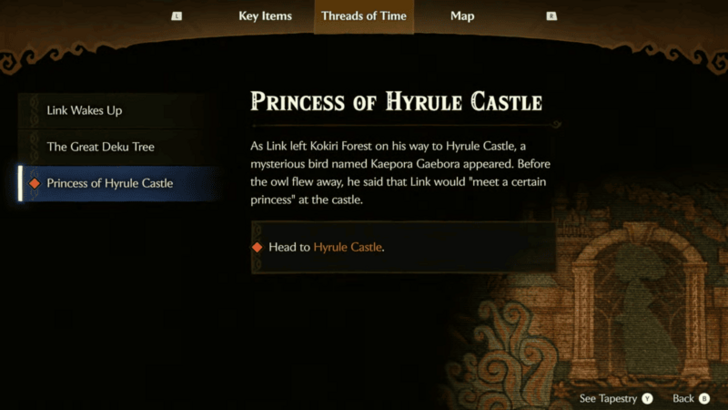
Nintendo added a modern gaming convenience that helps players navigate the often-confusing world: a story tracker and quest journal called Threads of Time. This new in-game menu chronicles Link’s progression and summarizes the big events in the story. It also pinpoints the next objective, showing the player where to go and what to do.
Finishing main objectives gradually fills out the tapestry, creating a visual representation of the narrative. While this is a fairly standard feature of modern games, the original game relied heavily on Navi, Link’s fairy companion, to guide the player where to go. Other quality-of-life changes to make navigation easier were also spotted, such as a minimap in the bottom right corner of the screen.
Link Gains the Quick Select Menu from Breath of the Wild
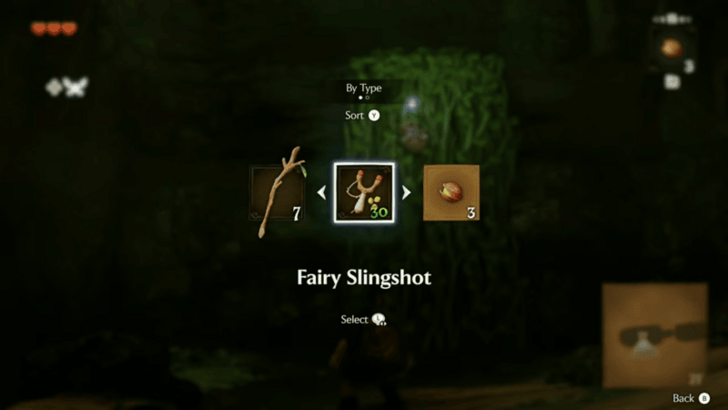
Combat in the remake remains recognizable from its 1998 release, apart from its visual overhaul. Link still uses the same kit of sword, shield, ranged weapons like the slingshot, and the influential Z-targeting lock-on system. However, the video showcased the quick-switching system used in Breath of the Wild and Tears of the Kingdom.
Link will no longer need to pause the action, open the inventory, and assign equipment to the three C-buttons before using it in-game, as the remake introduces a horizontal item menu to swap between items. Additionally, the remake brings back Gyro Aiming for ranged weapons used in precision shooting, letting players aim by physically moving the Switch 2.
Cutscenes Are Now Fully Voiced
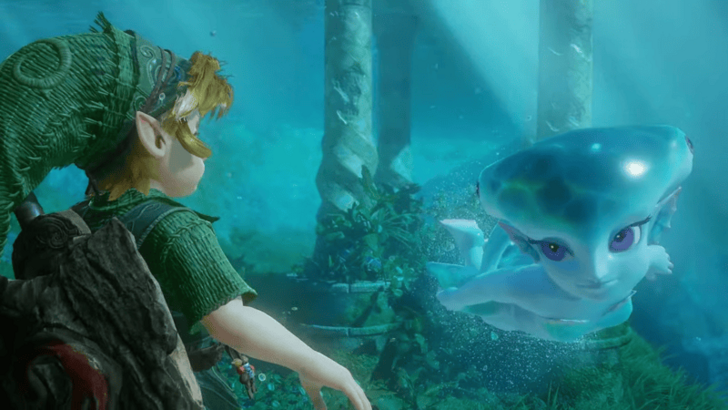
Ocarina of Time’s narrative presentation has received one of the biggest overhauls. Cutscenes are now fully voiced, replacing the original game’s mostly text-based conversations and character grunts with spoken dialogue during major story moments.
Nintendo is not simply adding voices to the existing script, as the remake features expanded cutscenes and additional dialogue. Characters have more to say, and the video showed off more conversations with Saria and Navi. Additionally, Navi appears to have seamless dialogue during gameplay, with the fairy’s text bubbles popping up naturally instead of stopping the action.
Hyrule Has Been Expanded and Fully Explorable
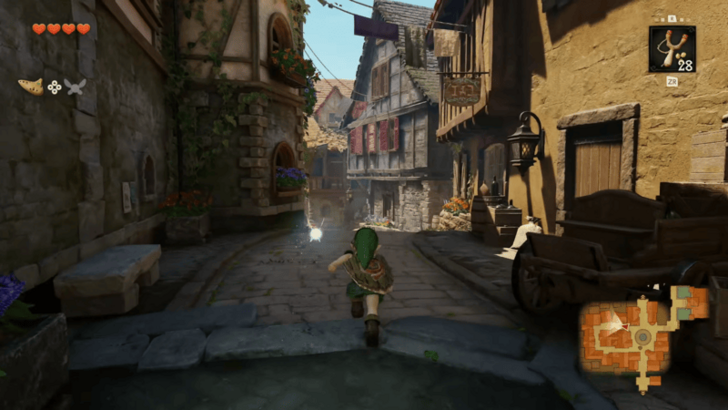
Hyrule and its iconic locations have also been expanded. Locations that previously relied on fixed camera angles have been fully remodeled for free camera movement, and players can now look around using the right stick. The video showcased Hyrule Castle Town, where the original used carefully positioned fixed camera angles and pre-rendered-style scenery to create the illusion of a larger, busier settlement. The remake doesn’t fake it this time, adding fully modeled environments and expanding areas that used to be backdrops.
Hyrule itself should also feel more dynamic thanks to a major change to its persistent day-and-night cycle. In the original, time stopped progressing in several locations, including towns, and would resume once Link returned to areas such as Hyrule Field.
In the remake, Nintendo says time will keep passing no matter where Link is, including inside towns. Nintendo mentions that "certain events only happen during the day or night," much like the original, so players can make use of the titular Ocarina of Time to pass through the day.
The Remake Makes Use of Switch 2 and Smartphone Features
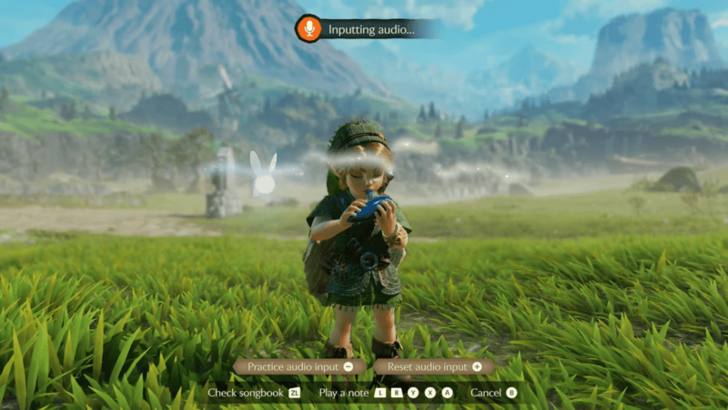
Nintendo is also taking advantage of modern hardware in ways that go beyond updated controls and graphics. The Switch 2’s built-in microphone can recognize melodies that Link has already learned, allowing players to hum a song or play it on a real instrument and have Link perform the corresponding tune on his ocarina. Nintendo is even releasing playable and electronic Ocarina accessories designed to work with the feature.
Ocarina of Time will also support ZELDA NOTES through the Nintendo Switch App on compatible smart devices. According to the press release, its game-specific tools include tracking daily accomplishments and statistics, such as how many enemies the player has defeated; Gossip Quests for locating places from visual hints, then using the earned points to purchase music scores for the Ocarina; and the ability to play the virtual ocarina from the smart device. Outside the game, the app also includes an Ocarina of Time quiz to test player knowledge, letting them spend in-game Rupees for extra tries.
Another modern tech inclusion is Amiibo integration, letting players earn the Young Link mask and Young Zelda mask from their respective collectibles.
Bringing Ocarina of Time to the Next Generation
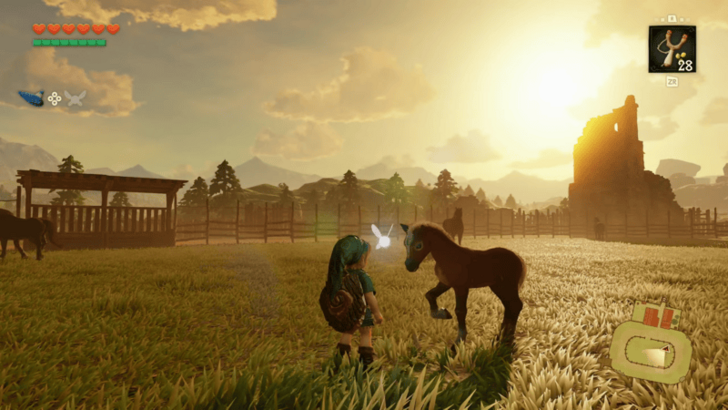
These are six of the major changes to Ocarina of Time, and this doesn’t include minor tweaks like Link starting with a 200 Rupee wallet in Kokiri Forest. Nintendo has been careful to preserve the original, updating the experience while removing outdated barriers and design conventions.
For now, the extended look at Ocarina of Time’s remake shows that it’s interested in making the game feel natural to play in 2026, rather than resembling a modern Zelda title.