Capcom’s latest growth strategy presentation points to possible sequels, remakes, ports, and new projects for several classic franchises beyond Resident Evil, Monster Hunter, and Street Fighter.
Capcom Highlights Devil May Cry, Ace Attorney, and More in Growth Strategy
Sequels, Remakes, Ports, and New IP Remain on the Table
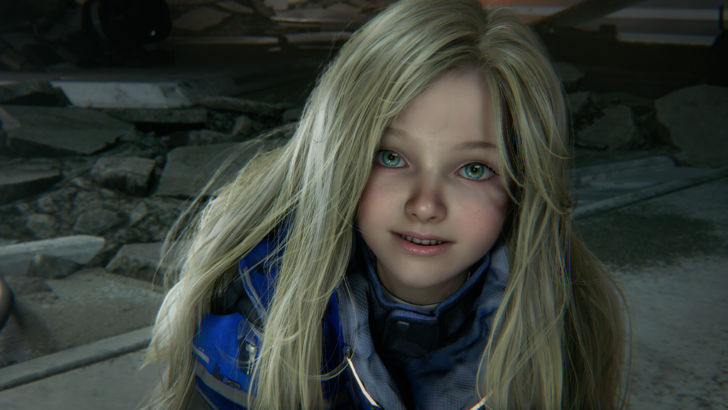
Capcom released its latest Mid- to Long-Term Growth Strategies presentation, outlining how the company plans to keep expanding its game business. One slide lists Devil May Cry, Dragon’s Dogma, Ace Attorney, Onimusha, Mega Man, Dead Rising, and Okami as brands the company wants to nurture.
The same section mentions "New IP, sequels, remakes, ports, etc." as part of Capcom’s business model. However, it does not confirm specific new games, release dates, platforms, or whether each listed series will receive a sequel, remake, or port.
For players, the main takeaway is that Capcom is looking beyond its largest pillars. While Resident Evil, Monster Hunter, and Street Fighter remain major drivers for the company, older and less frequently updated titles also appear to have a place in its long-term plans.
Several Listed Capcom Series Have Been Quiet for Years
The presentation should not be taken as confirmation that any of the highlighted franchises already have new entries in development. Capcom’s wording only points to possible directions for these series, including sequels, remakes, ports, and new IP.
Still, the slide is notable because some of the listed brands have not been Capcom’s active focus for years. Devil May Cry has not received a new mainline game since Devil May Cry 5 in 2019, while Ace Attorney’s last fully new mainline entry was released in 2016.

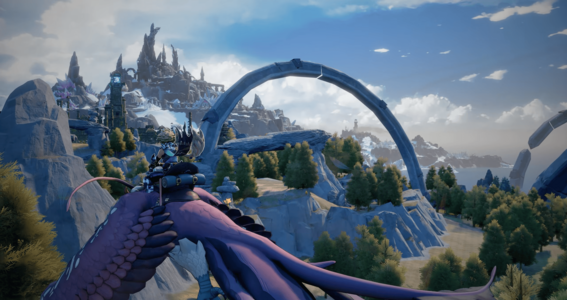
The highlighted series also cover several different genres. Devil May Cry is known for stylish demon-hunting action, Ace Attorney focuses on courtroom mysteries, and Dragon’s Dogma brings fantasy action RPG combat with large monsters and party-based exploration.
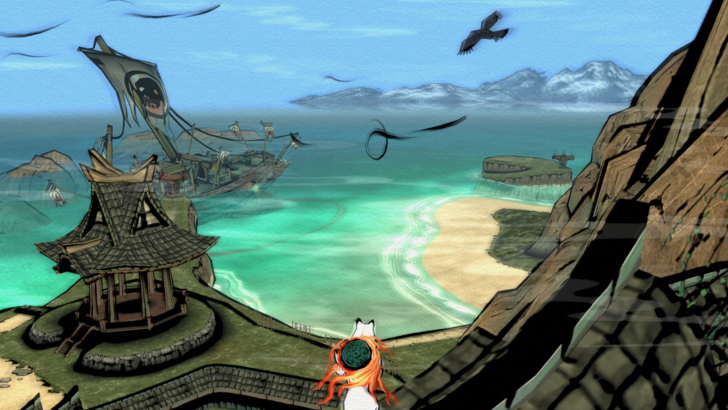
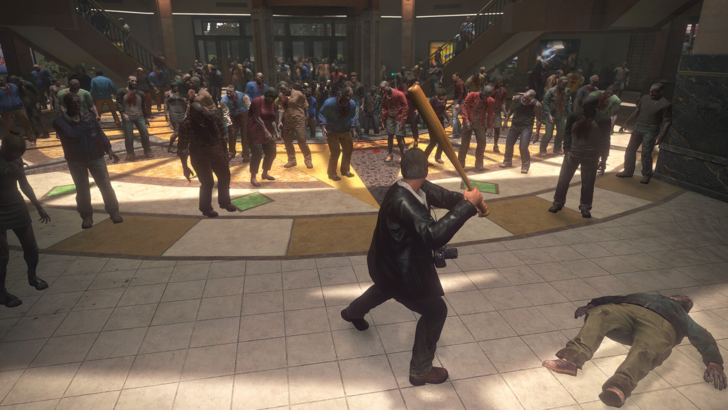
Other titles point to different parts of Capcom’s catalog. Mega Man remains one of the company’s longest-running action-platformer names, while Dead Rising centers on zombie survival action and improvised weapons. Onimusha blends samurai fantasy with demon-fighting combat, and Okami is remembered for its painterly adventure style inspired by Japanese folklore.
Catalog Sales Support Capcom’s Older IP Strategy
Capcom’s presentation emphasizes long-term sales of high-quality titles, catalog performance, global expansion, and support for the PC platform as part of its business model. The same strategy slide also leaves room for several release formats, including sequels, remakes, and ports.
Under that model, returning franchises do not necessarily need to come back only through full new sequels. Ports, remasters, collections, and remakes can help older games reach new players while keeping those brands active in Capcom’s catalog.
Capcom’s materials also show that long-running titles can continue contributing to sales after launch. That gives established names with recognizable fan bases a clearer role in the company’s broader strategy.
Record Results Give Capcom More Room to Revisit Older IP

Capcom reported in its fiscal year 2026 results that it set record profits across all categories for the ninth straight year, with operating profit growth exceeding 10% for the eleventh consecutive year.
It also reported an all-time high of 59.07 million units sold in consumer home video games. That strong sales position gives the publisher more flexibility to support major releases while exploring older IP.
Taken together, the strategy presentation and financial results show why Capcom may continue highlighting older brands alongside its current hits. No specific project has been announced yet, but the presentation gives fans a clearer idea of which IP Capcom is keeping in view.
Sources:
Capcom Mid- to Long-Term Growth Strategies Presentation
Capcom Sets Record in All Profit Categories for Ninth Consecutive Year
Genki on X - Capcom Leading Brands Growth Strategy