



| Digital Storefronts | ||||
|---|---|---|---|---|
 Steam Steam |
 Playstation Playstation |
 Xbox Xbox |
 Switch 2 Switch 2 |
|
 Switch Switch |
||||
| $24.99 | ||||
Silver Pines Review | The Lynchian Metroidvania Is a Dream Come True
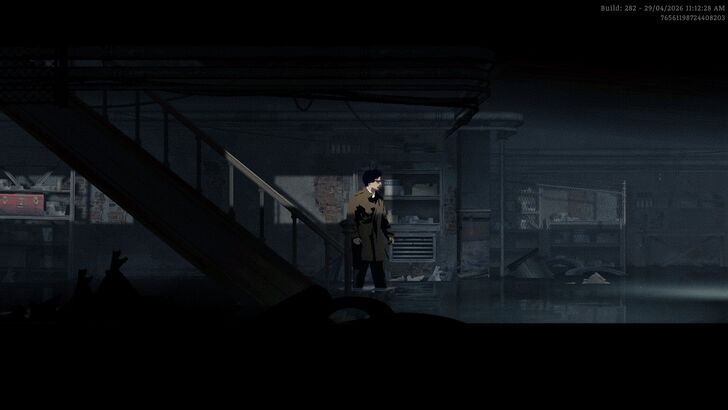
Silver Pines feels like a self-indulgent creation I could’ve only manifested in my dreams. The game’s core influences, like Resident Evil, Metroid, Castlevania, and horror auteurs like David Lynch and John Carpenter, are all things I hold close to my heart as foundational influences of my own. I was sold immediately, especially with that art style and atmosphere (the trailer, with that kickass song, helped too).
Excitement and passion, of course, breeds its own set of problems. For creators, it's the idea that loving your influences and drawing so deeply from the art you love means that, conversely, those same influences are the benchmark by which your art will be judged. My biggest fear for Silver Pines was for it to be derivative, to be a jingling-keys fest of all these things I love. Thankfully, it’s not.
Silver Pines is a deeply alluring synthesis of its influences that wears its heart on its sleeve and still pushes a pure, unassailable identity of its own. It successfully merges the dream-like horror of Lynch’s films with Resident Evil’s tense, moment-to-moment item management, and flips these pillars upside with a strong side of of psychological horror and subtle environmental storytelling. It doesn’t pull off all of its tricks well, but when it does, it easily becomes one of the most unique and memorable games I’ve played this year.
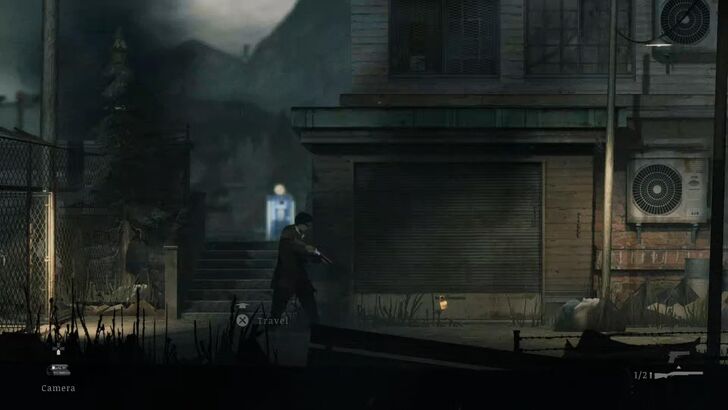
The beautifully subdued art style, PI Red Walker’s desperate evasions of enemy monsters, the surreal environmental storytelling and atmosphere, they all come together into a hauntingly remarkable experience. I can acknowledge, however, that Silver Pines left me utterly obsessed with its world and mechanics because it uses design and narrative languages I also deeply adore with to create an entirely new experience with its own strong identity in its own right.
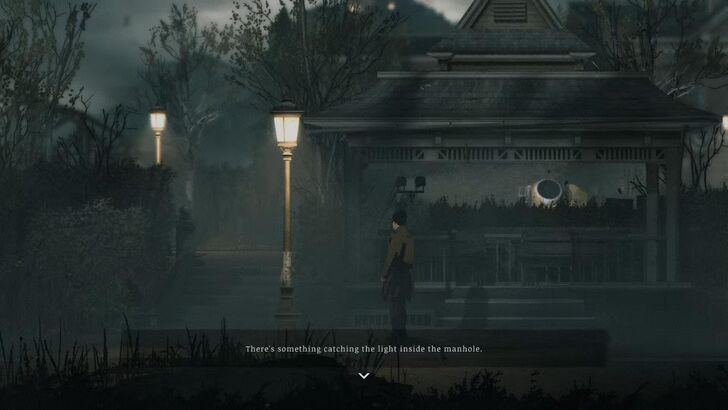
This means that the game won’t be for everyone. While it's frustratingly cryptic puzzle and world design and languid, helpless protagonist is par for the course for old-school survival horror, it’ll be the furthest thing from fun for less patient players. If you are, however, one of those fated with visions of a foggy, labyrinthine town that’s never quite real and has a lot of heart, Silver Pines is an experience that hits stronger than a damn, fine cup of black coffee.
Through the Darkness of Future’s Past, Walker Longs to See
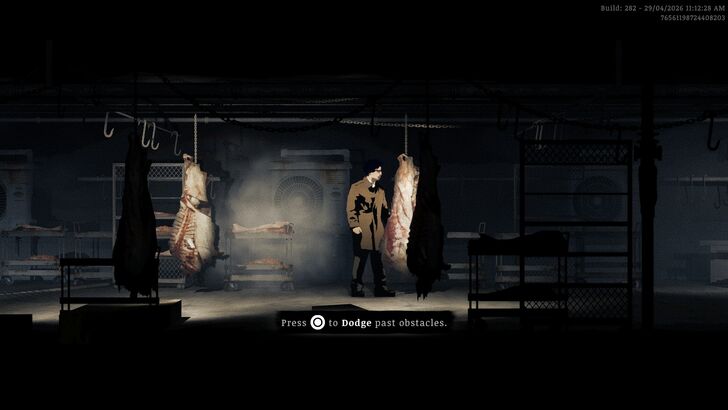
Silver Pines’ story contains a lot of the elements of Lynchian, gritty, classic noir done right, and boy does it do it right. It elevates upon the game’s mechanically zombie-centric Resident Evil-isms with sharp environmental storytelling, surreal dreamscapes, and characters that never feel real and say things that always carry a double meaning.
As Walker wakes up in Silver Pines from a surreal, disembodied dream sequence, his mysterious client Jackman (no, not that one) urges him over the phone to continue his search for Eddie Velvet. On the surface, Silver Pines is an aggressively normal, midwestern, capital-A American small town. They sell gun ammo in the vending machines, for gosh’s sake (sorry, we don't take kindly to putting the Lord's name in vain 'round these parts).
That said, the moment you step out of that diner and take that call, something is already wrong. Silver Pines is deserted, full of grotesque monsters, and inexplicably deteriorated, almost as if a lot of time has passed while you were unconscious. As you get closer to the truth of Velvet’s disappearance, his relationship to town sweetheart Alice Baker (this town’s Laura Palmer, if you will), you’re met with more questions than answers. The game answers some of them satisfyingly well, while leaving a lot of them up to the imagination.
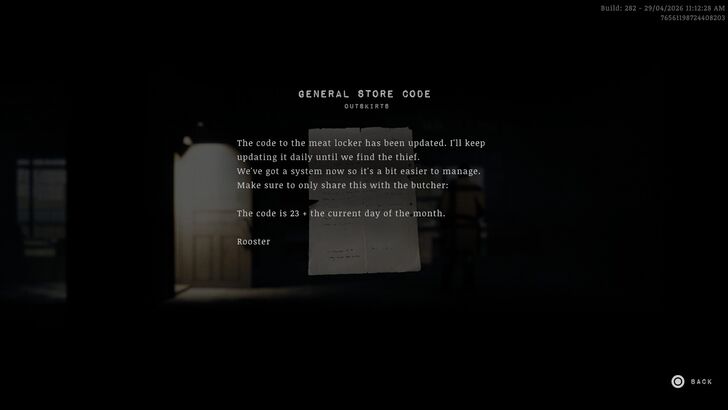
Silver Pines mostly uses environmental storytelling, namely through the procurement of notes and the town’s subtle shifts and changes as Walker continues to explore it, to great effect. I never once felt like the game was holding my hand or telling me things outright, and I was able to just figure out the narrative and history of the town through my own intuition. It simultaneously fulfills the detective power fantasy, helps with puzzle solving and exploration, and just keeps you as far into the rabbit hole as the game wants you to be.
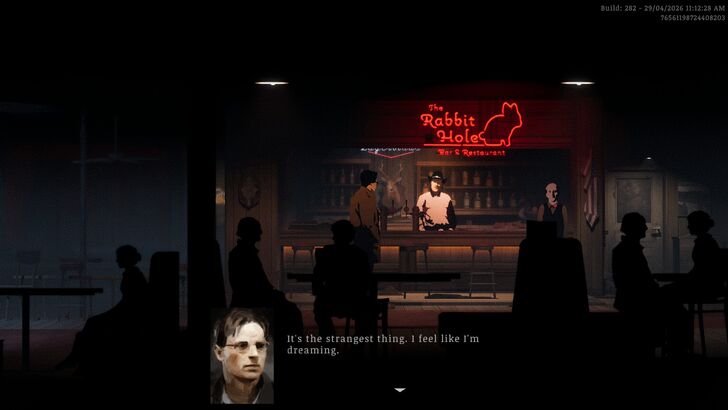
That’s not to say, however, that the game’s written and spoken dialogue don’t add anything to its narrative. On the contrary, the voice acting for Walker and certain other characters are masterfully performed, bringing the protagonist’s exasperation and confusion to life while giving certain characters an air of mystery to them. Jackman, for instance, is a lot shadier and more questionable when accompanied by his gruff, desperate, but closed off voice, and given what he tells him as Walker loses his sanity, you can’t help but suspect him as a bad actor. There are some clumsily delivered lines, but it's mostly a consistent effort.
Dialogue is also written in a way that adds to the game’s overall mystery. Like the best horror stories of its style, the writing in this game always carries a double meaning that makes you question reality and the validity of your actions (the owls are not what they seem, after all). There’s maybe a bit too much of it that’s heavy-handed, but given how the game seems to blur the line between the surreal, the visceral, and the psychological torment that Walker goes through, it makes sense.
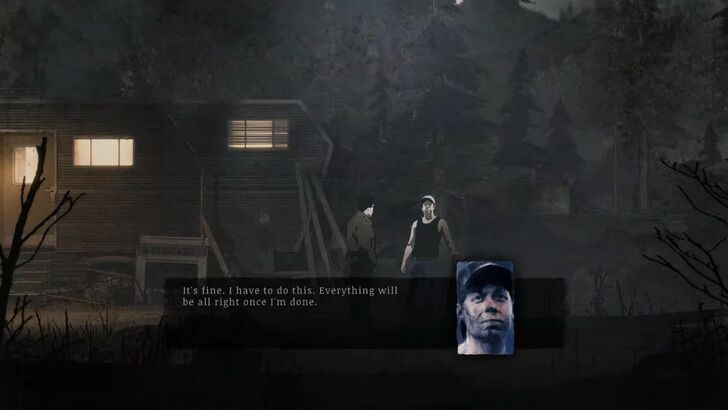
As the game coalesces into one of its multiple endings, the narrative truly does feel like a glass onion. You spend all this time overthinking the answers, connecting the dots, and so on, and yet the narrative’s plainsight ending still hides its cards and demands even more work to come to a, hopefully, more conclusive ending. While I liked the ending I got, even with how obvious it felt in retrospect, I know I missed something and am eagerly diving back into the horrors for another chance at some real answers. Silver Pines's replayability and exploration is deeply anchored by its core mystery, and its one that truly stands as one of the best narrative throughlines in the genre.
Somehow Both Easy to Memorize and Get Lost In
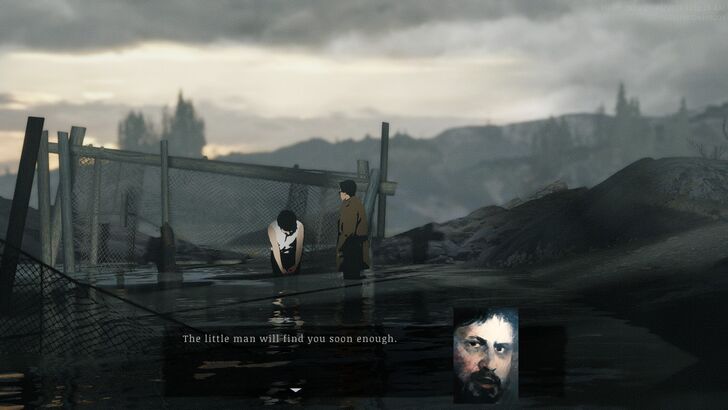
The first thing Silver Pines needed to get right was its world design. Given the specific mixture of things it's drawing from, the setting needed to embody both the claustrophobic and duplicitous nature of small-town horror while still remaining sprawling and expansive enough for non-linear exploration and branching paths. Thankfully, on both counts, Silver Pines succeeds effortlessly; it’s a town that feels branching and interconnected thanks to its map design, while defying enough logic thanks to that same structure. There were times where I felt like I knew the town like the back of my hand, and then I’d accidentally break a wall out of nowhere and uncover an entirely new section to get lost in.
What a town to get lost in, though, man. Silver Pines is atmospheric, surreal, and constantly blurs the lines between reality and what lies underneath, and it’s a fantastic setting for both the cerebral horror it sets out to establish as well as the expansive map it wants players to explore. Every road leads to somewhere or something important, whether to upgrade your arsenal or expand your understanding of the area. Whether you find disparate notes or clues on the walls of diners and sports stores, or new upgrades to help you shoot better, strong, nuanced environmental storytelling on both ends marries together the surreal with the mechanical, and it makes for a truly compelling world to discover.
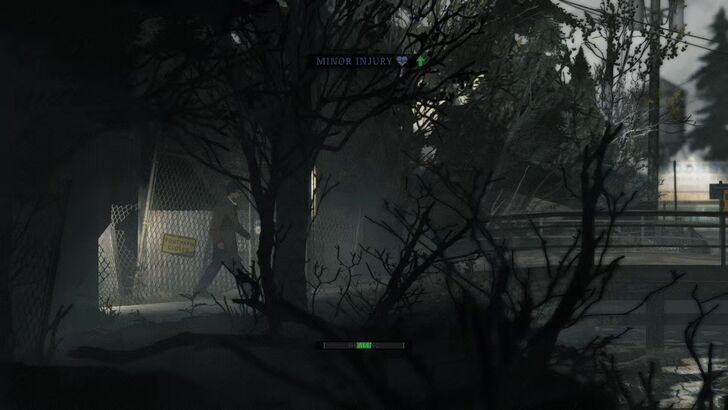
Silver Pines wastes none of its large map and leaves tidbits and morsels everywhere for players to discover, even in the most convoluted of ways. You’ll find a key that opens locked doors in a random store all the way across town, and its rewards can range from passive upgrades, subtle lore expansions, to full on sidestories (rescue that cat, by the way). Coupled with the non-linear structure of the main story, discovery in Silver Pines was consistently meaningful even as the game drags you down the rabbit hole.
Looking Through a Foggy, Red, Glass Onion
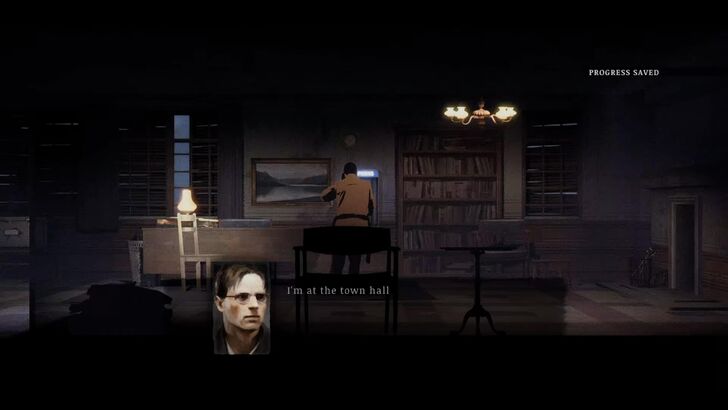
That’s another thing about Silver Pines that let me know it truly was something special: I never stopped thinking about the world, both as a narrative and gameplay setting. Much like its prestige TV big brother Twin Peaks, Silver Pines itself feels like a living, moving character that changes as you continue solving the mystery, one that continuously fights against you at every turn. In carving its own identity, though, Silver Pines trades in its spiritual predecessor’s wacky subplots and sexual tensions for pure, unadulterated hostility and liminal surreality, and it's incredibly strong and distinct.
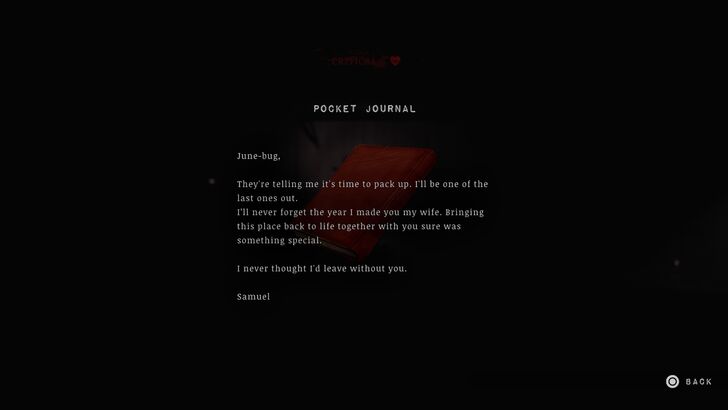
Apart from a few exceptions, everything in the abandoned, liminal Silver Pines is out to get you. Not merely to kill you (if it comes to that though, it will), but mostly to prevent Walker from finding out the truth. Obviously, the monsters want to hurt you, but even mysterious NPCs will appear and disappear to convince you to leave and haunt Walker by reflecting his own obsessive pursuit back at him. The town not only pushes back against you externally through the horrors of the world, but internally by planting seeds of doubt that grow into forests of confusion and dissociation.
There are, of course, pockets of humanity that struggle to make their way to the surface of Silver Pines but hit like a freight train when they do. Journal entries from victims that express their deteriorating states, diary pages that talk of separated lovers as they navigate the darkness of the town, even the lone birthday card of a cat lady who left behind a whole family people outright dismissed. This makes collecting notes and connecting the dots in your heads half the fun of figuring out the story of the town and its people, and it's interwoven so well into puzzle-solving that the reward doubles in potency.
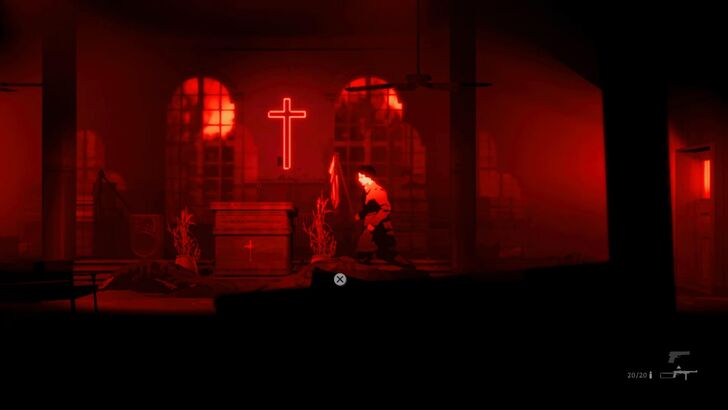
That, ultimately, is the strongest strength of Silver Pines’ setting. Much like a Lennon-esque glass onion, there are so many layers that are already obfuscated by the foggy atmosphere and neon-red, bloodspattered visage that it’ll inevitably suck you in and keep you looking even as you want to turn away. It mirrors Walker’s own mysterious, spiralling obsession with the case and puts you directly in that headspace, and the fact that what lies at the center of the mystery feels like something you should’ve seen coming from the very beginning makes it exhilarating.
Not Really a Metroidvania, But Still Great
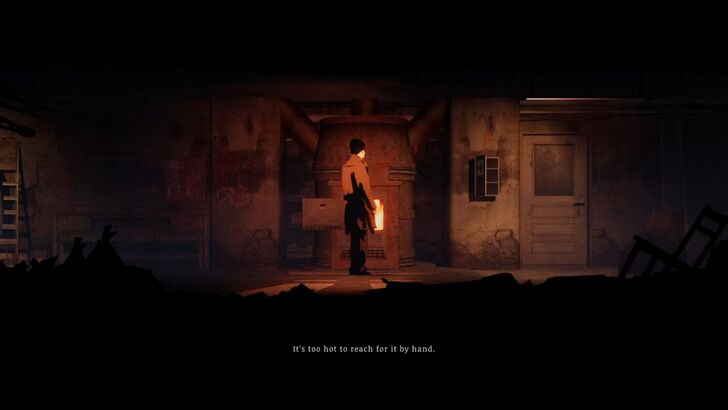
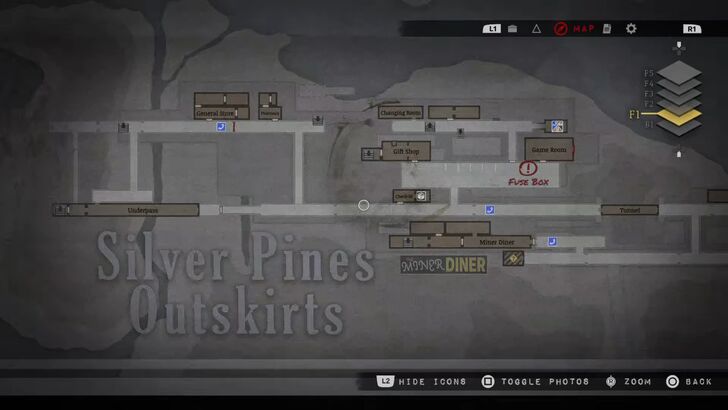
While Silver Pines’ world serves as a great thematic backdrop for worldbuilding and atmosphere, mechanically it leverages that to create a truly interconnected map that’s worth exploring. Metroidvania purists might be a little put off by its classification, though, since the game uses both weapons and abilities to uncover progression. It’s a little less Hollow Knight and more Resident Evil, and even in that spectrum the synthesis gets a bit blurry.
The gameplay does feature the sprawling, interconnected, non-sequential map design of the genre, and backtracking does play a large part of the overall progression. The fact that the game’s major, explorable hubs can be tackled non-sequentially makes completely emergent gameplay an inevitability; the game doesn’t hold your hand or tell you where you go, and it rewards you for remembering details and collecting notes about the world by giving you the tools to access entirely new areas.
Where the game does lean more into straight-up, old school survival horror is with the combat, puzzles, and resource management. The limited inventory slots recreates the tension of frantically managing item space in an older style of horror game, and one of the most satisfying parts of the experience is feeling how a perfectly managed inventory makes progress smoother.
The puzzles, meanwhile, are great across the board. Their answers follow a mostly consistent logic of being found within the game’s key areas, and they’re intrinsically tied to the bits of lore that can be collected across the game. They’re challenging, but ultimately rewarding even as you end up overthinking about the answer. There was a puzzle I was stuck on for hours in the Police Station, only to find the answer in one of the first notes I collected from the precinct. Go figure.
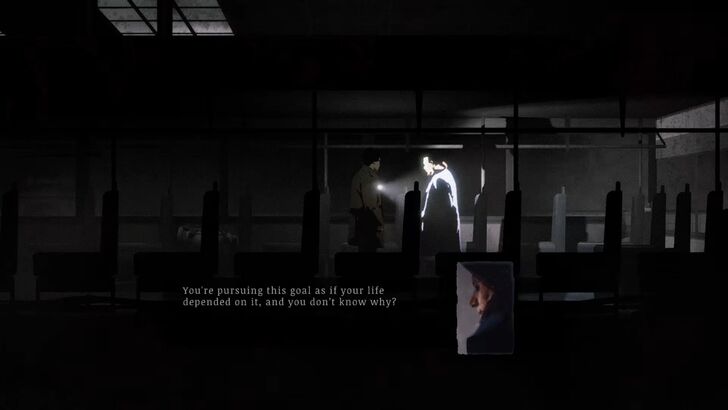
The combat, meanwhile, is where Silver Pines might be divisive. The game weighs itself down with a deliberate pacing that, while not breaking the narrative nor the exploration, does come down on the combat quite a bit. Shooting enemies feels like self-sabotage unless absolutely necessary, given how necessary ammo is to find upgrades, while melee weapons flat out don’t feel great to use during combat thanks to a dissatisfying clunkiness that barely seems to harm enemies. Even just moving around Silver Pines as Red Walker—neither an intergalactic bounty hunter nor a back-flipping presidential envoy—feels languid, deliberate, and heavy.
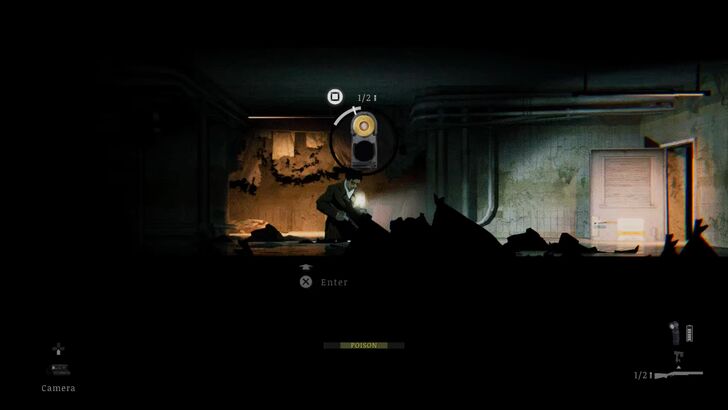
This heaviness, ultimately, is the point. It’s more survival than action, and while I can acknowledge it as a deliberate design choice for recreating classic survival horror I can also see it causing friction for less patient players. There’s a reason why the pioneers of this genre have eventually smoothed down these classic rough edges, one I fundamentally disagree with but still understand. Silver Pines at least proves that this friction can still work tremendously when in the proper context.
In the context of survival horror, Silver Pines’ labored pacing works incredibly well. Every decision in this game feels deliberate, especially as the mere act of saving progress is tied to resources and active, intentional actions that have their own set of tradeoffs. As long as you don’t expect yourself to be blitzing through this game with a shinespark, the tense, slowness of the game is wonderful to trudge through.
A Horse With No Name, A Town With No Hope
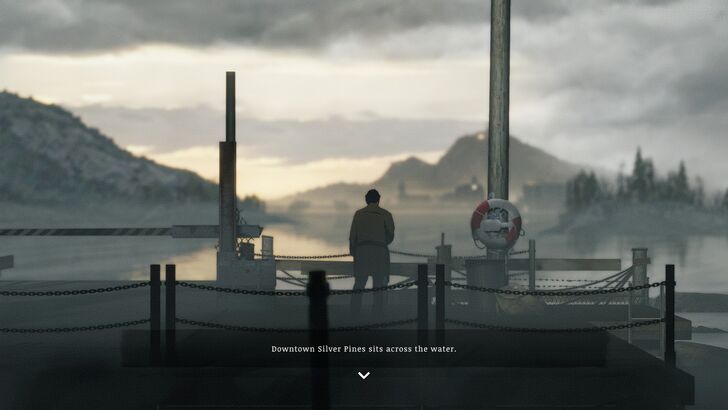
What might strike prospective PIs to Silver Pines is its dark, ethereal atmosphere and art style, and it's one that is crucially executed quite well. Silver Pines leverages its unique, painterly/rotoscoped art style to bring environmental storytelling to the forefront while making the world simply look great in its own right.
The town’s color scheme, a muted wash of greys, browns, and greens, make the bright lights of neon signs, payphones, and random horses on the street that much more alluring. It is both a diegetic way to bring players into interactive areas while also giving the liminal town some signs of life, even one that's been snuffed out.

Silver Pines is a town that changes alongside Red’s deteriorating psyche and nearing proximity to the truth, and through its visuals alone it conveys just how violently it reacts to his presence. As you continue solving the mysteries of the town, the storm gets stronger, more monsters start appearing, more blood gets splattered across walls, and even the sky itself seems to be torn asunder with violent flashes of lighting and a cloudy, dark blue sky. Without words, the town perfectly conveys just how deep of a rabbit hole Red is walking into, and it's breathtakingly urgent.
It's a town full of personality and depth beyond its outward hostility to Red too. The analog nature of the town, requiring Walker to press buttons to save the game and interact with cassette tapes and valve levers, gives him and the player a physical anchor to an otherwise surreal and fractured reality. The sheer tragedy of Silver Pines is told best through its liminal anachronism and the remnants of people it leaves behind like adorned rooms, journal entries, and locally-filmed television shows that reflect your doubts back to you. It makes for a town that feels like it's lashing out in deep pain more than violent malice.
Silver Pines’ Style is Absolutely Golden, But Comes at a Cost
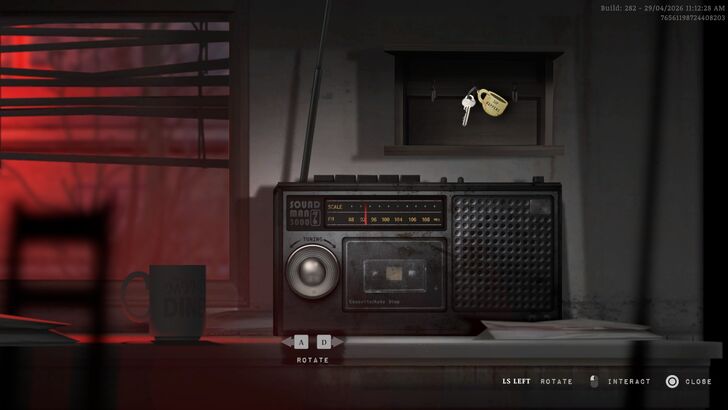
None of this would work, ultimately, if Silver Pines’ art and sound design weren’t as strong as they are. The use of color and lighting works well to make scary moments land like nukes, while the painterly, smudged character portraits and still shots add a great amount to the game’s hazy, dream-like atmosphere. The music, meanwhile, is sparse, but when it’'s there it evokes that Twin Peaks, dream-pop meets industrial ambience that elevates the whole experience. Silver Pines is oozing with so much style it's sublime, but it does, once again, come at the expense of how it feels to play from time to time.
In particular, hitboxes do feel weird in this game. Climbing onto objects and jumping onto elevated areas can feel a bit fuzzy when Walker moves as slowly as he does, not helped by how detailed his animations are. Dodging, especially, can be a bit wonky as enemy hitboxes can be a bit unclear where they land.
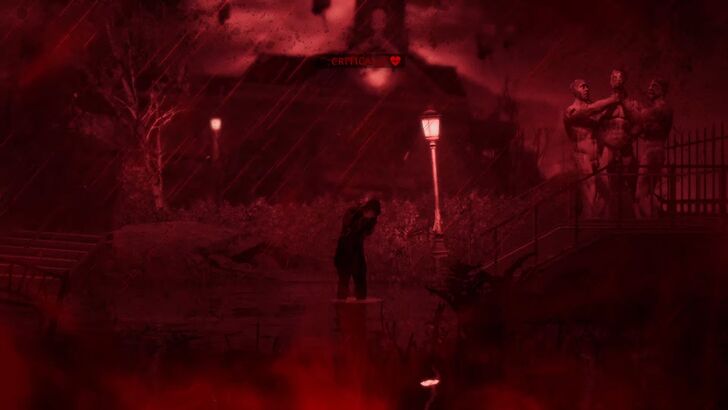
This, ultimately, is also a problem with the enemy design, which can be quite unremarkable. Fighting off faceless, shapeless zombie blobs gets old after a while, and while certain bosses and late game encounters can be intimidating on their own, all these monsters ultimately require the Lynchian setting to elevate them into a truly terrifying force.
I was never scared of these zombies until I made a connection in the abandoned apartments that shattered Walker’s entire reality, one that the game gleefully revelled in. At that point I was just hurriedly running to a save point, desperately dodging enemies, and screaming about needing to go further, to find more answers, to get closer to the mystery.
Is Silver Pines Worth It?
Peak Old School Survival Horror for Fans, A Great Introduction to the Style Otherwise
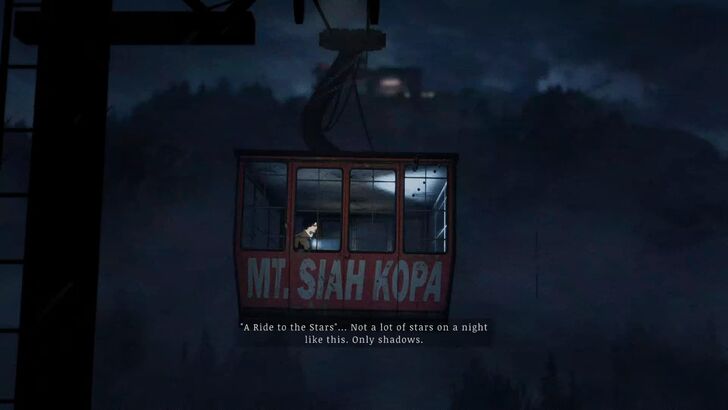
Silver Pines is perhaps one of the most charmingly honest, heart-on-its-sleeve love letters to horror as a whole that I’ve ever experienced. It's a game that succeeds precisely by mimicking what made its predecessors work while tying in its own unique set of mechanics and level design that truly makes it its own. Coupled with a mystery that truly envelops you and refuses to let go, especially with its multiple endings and non-linear progression, it’s a no-brainer for fans of this style especially at $24.99. If you are, however, a little less forgiving towards old school design and especially combat, this might not be your cup of coffee. You do get to pet the cat, though, which is fantastic.
Game8 Reviews