


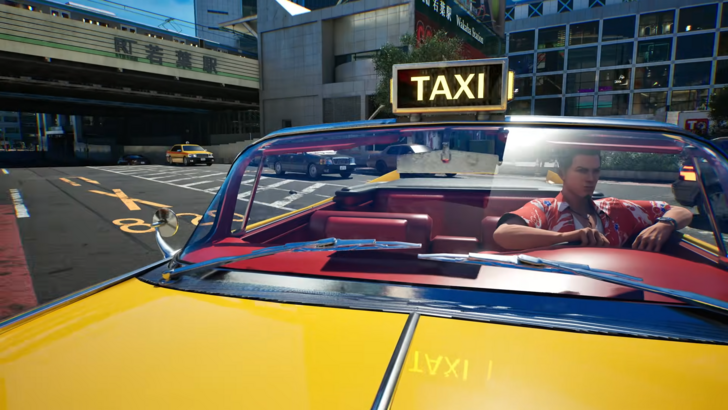
Crazy Taxi revealed a Japan inspired map at Xbox TGS 2026 despite Kenji Kanno initially opposing it. Here is why he relented and fan reactions.
Crazy Taxi: Producer Kenji Kanno Reveals Why He Opposed a Japan Map Before Relenting
Series Creator Feared Narrow Streets Would Ruin Arcade Speed Before Being Won Over by Dev Team
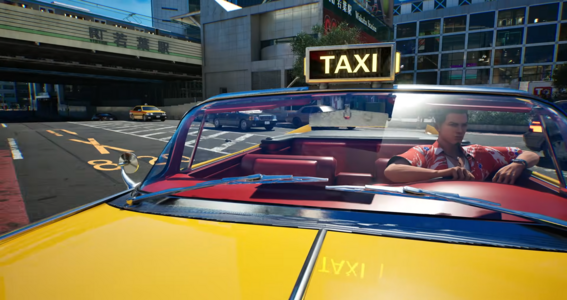
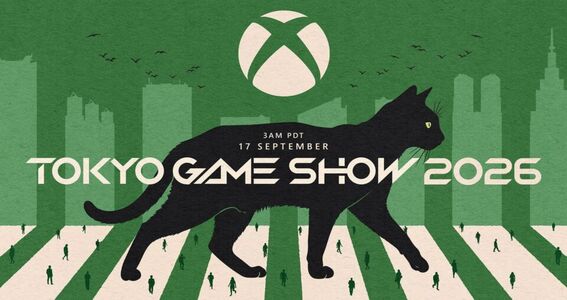
Crazy Taxi: World Tour officially unveiled its brand-new Japan map during the Xbox Tokyo Game Show 2026 on September 17, giving fans an extended look at its massive multiplayer open-world ahead of its planned 2027 launch. While players were thrilled to see high-speed arcade drifting through Tokyo-inspired streets, series creator and Creative Producer Kenji Kanno revealed in an interview with Famitsu that he was initially dead set against setting the game in Japan.
Kanno admitted that his hesitation came from a desire to protect the franchise's arcade identity. Having directed the 1999 original and its sequel—both built around sprawling American West Coast cities like San Francisco and New York—Kanno believed the series needed wide, multi-lane boulevards and steep downhill slopes to maintain high-speed momentum.
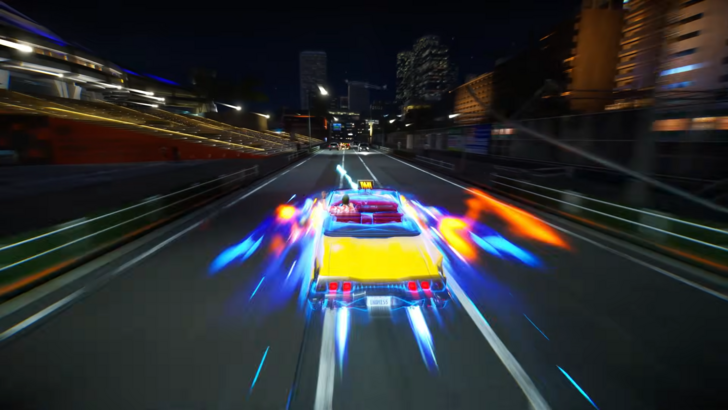
He worried that Japan's tight alleys and dense residential layout would feel suffocating and restrict the sense of speed. Speaking to Famitsu (via machine translation), Kanno candidly revealed how vocal he was against the setting during early development: "I kept asking, 'Wouldn't it feel underwhelming?' so Momotani must have had a hard time convincing me. There are seven continents in the world, so I repeatedly questioned whether focusing on a city in a small island nation would truly be fun."
Furthermore, Kanno was concerned that because a Japanese development team was building it, the studio might fall into the trap of prioritizing realistic street recreation over exaggerated arcade gameplay. He later acknowledged that he was "narrowing the possibilities of Crazy Taxi" through his own preconceived notions before seeing the prototype in action.
How Director Yo Momotani and the Dev Team Convinced Kanno
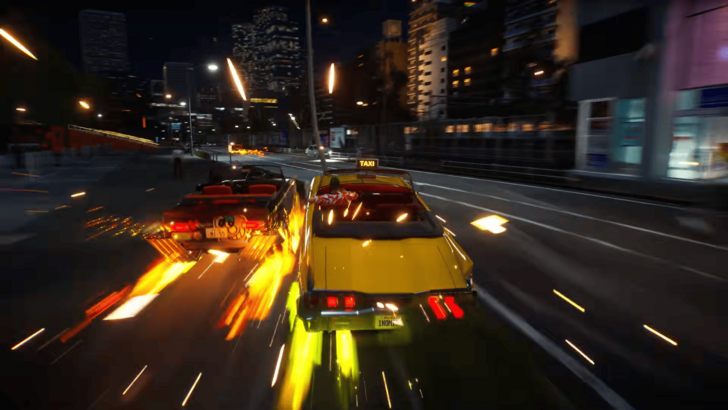
Despite Kanno's initial opposition, Director Yo Momotani and the development team were determined to prove that a Japanese metropolis could serve as the ultimate arcade driving playground.
Rather than building a rigid simulation, Momotani designed an exaggerated, "theme park" interpretation of Japan tailored specifically to Crazy Taxi's physics. The team deformed standard road layouts, turning tight 90-degree street corners into high-skill drifting zones, elevating multi-tiered expressways for boost chaining, and creating vertical shortcuts across subway entrances and pedestrian plazas.
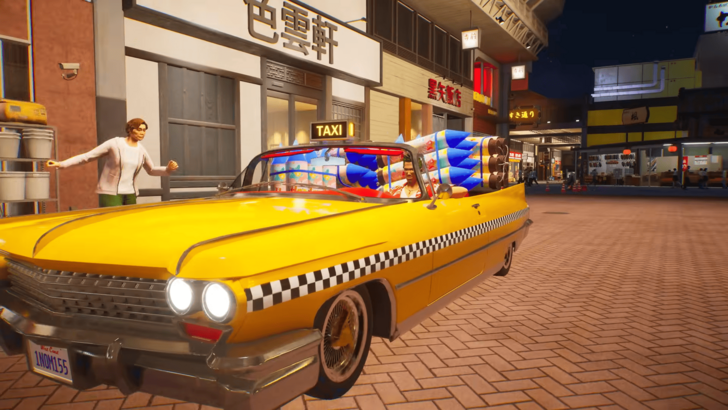
The hands-on demo also revealed authentic real-world brand partnerships integrated directly into the map. Players will drop off fares at genuine commercial staples, including SHIBUYA109 (Tokyo's iconic cylindrical fashion department store at Shibuya Crossing), the globally famous tonkotsu chain Ichiran Ramen, and the giant mechanical crab landmark restaurant Kani Doraku, all set alongside historic districts inspired by Asakusa and Tokyo Skytree.
Once Kanno saw the prototype in motion, he admitted his initial skepticism was misplaced. While he had repeatedly questioned whether a "small island nation" could deliver the necessary excitement, Kanno confessed that the final combination of dense Shibuya streets and elevated expressways turned out "really fun."
Community Celebrates Japanese Setting and Authentic Arcade Drift
Fan reception across X (Twitter), Reddit, and YouTube has been overwhelmingly positive, with the community praising SEGA for bringing the franchise to Tokyo for the first time in mainline series history. Longtime players highlighted that after more than two decades away, shifting from American West Coast highways to neon-drenched Japanese cityscapes delivers a stylish, modern reinvention.
Players also expressed appreciation for Kanno's candor regarding his initial pushback. Commenters noted that veteran creators willing to listen to their team and challenge their own design assumptions often produce the strongest franchise reboots. The contrast of weaving yellow cabs through dense Shibuya traffic and jumping over expressway tollgates has drawn excited comparisons to classic urban arcade racers like Jet Set Radio and Tokyo Xtreme Racer, with fans eagerly anticipating the game's official 2027 arrival.
Source:
Famitsu Official Developer Interview