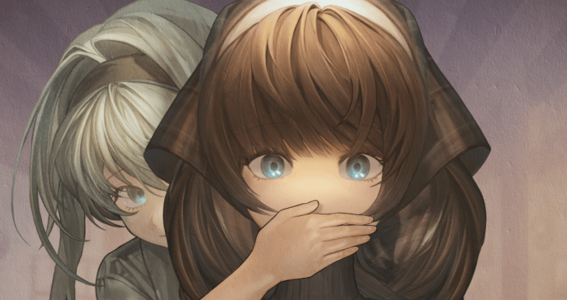



Sister Other Paranoia is a psychological visual novel about a young man who deliberately isolates himself from society. Read our review to see what it did well, what it didn't do well, and if it's worth buying.
Overview
What is Sister Other Paranoia?
Sister Other Paranoia is a dark psychological visual novel that follows Hasuya, who isolates himself from society because of his unusual ability to perceive other people's thoughts. Players primarily progress by reading through dialogue and narrative passages, with occasional interactive elements, dialogue choices, and branching endings.
Sister Other Paranoia features:
⚫︎ Dark Psychological Visual Novel
⚫︎ Five Major Character Arcs
⚫︎ Text Heavy Experience
⚫︎ Occasional Dialogue Choices
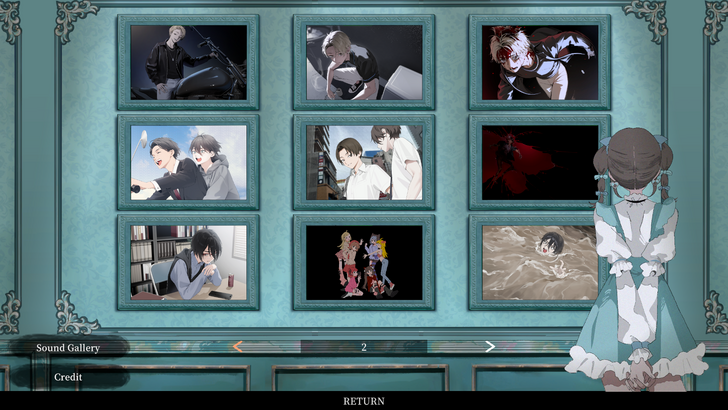
⚫︎ Distinct Imagery
| Digital Storefronts | |||||
|---|---|---|---|---|---|
 Steam Steam |
|||||
| $9.99 |
Sister Other Paranoia Review: Dark Philosophy Buried Beneath an Unpleasant Read
Inside the Mind of a Very Intolerable Man
I've played my fair share of visual novels, from traditional, text-heavy adventures to newer titles that try to freshen up the genre with different ideas. I’m also drawn to reading, especially when they have an unconventional way of telling emotional stories.
Sister Other Paranoia was an interesting prospect, especially knowing it came from the same creators behind Needy Streamer Overload. There was already an expectation that it would have something interesting to say and a similarly unconventional approach to storytelling. While the game does ultimately accomplish some of what it sets out to do, getting there was a struggle. Sister Other Paranoia has the ideas and intentions of an intriguing psychological visual novel, but its difficult-to-get-through storytelling ultimately made the experience far more disappointing than it should have been.
Hasuya Can Read Minds, But He Doesn't Understand People
Sister Other Paranoia follows Hasuya, a college student, convenience store clerk, and light novel author who has deliberately chosen to live as a loner. His reason for doing so is far more complicated than simply preferring his own company.
Hasuya can "read" people's minds and project what he believes to be their worst fears back at them. The effect can be devastating enough to drive his victims to suicide, so he convinces himself that isolating himself is the responsible thing to do. He keeps his distance from everyone around him while watching the cruel things happening around him, or at least, that's what we're initially led to believe.
Because that's not really how the game plays it out. While Hasuya can read people's minds, he lacks the ability to actually understand them. In fact, the game makes a point of showing that someone with genuine empathy can decipher another person's emotions better than Hasuya ever could. Which makes his supposed gift feel less like an all-knowing superpower and more like a particularly dangerous misunderstanding of other people.
It therefore turns Hasuya's isolation from a noble act of self-restraint into something far more complicated. He isn't staying away from people because he understands them too well, but because he fundamentally doesn't understand them at all.
Five Chapters of People Hasuya Would Rather Avoid
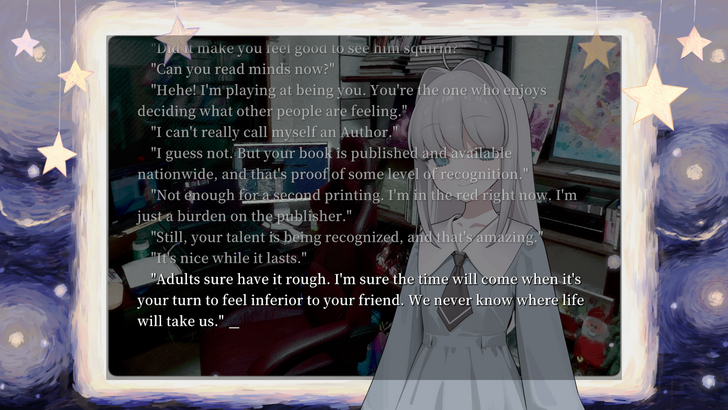
Like the classic visual novels, Sister Other Paranoia has me reading for roughly 95% of the time, with most of that time spent working through walls of text. There are occasional moments where I can click on something to break up the reading, but these interactions are so few and inconsequential that removing them entirely wouldn't meaningfully change how the game plays. I'll get into those later, but for now, it's important to understand that this is fundamentally a reading experience. If you're coming into this expecting frequent interaction, Sister Other Paranoia makes it very clear that its writing is going to do almost all of the heavy lifting.
The story begins with a prologue establishing why Hasuya has chosen to isolate himself from everyone except his sister. After attempting to entertain a classmate and bring him to his home, said classmate tells his sister to go back to school because she stopped attending. Hasuya then provokes him into ultimately taking his own life.
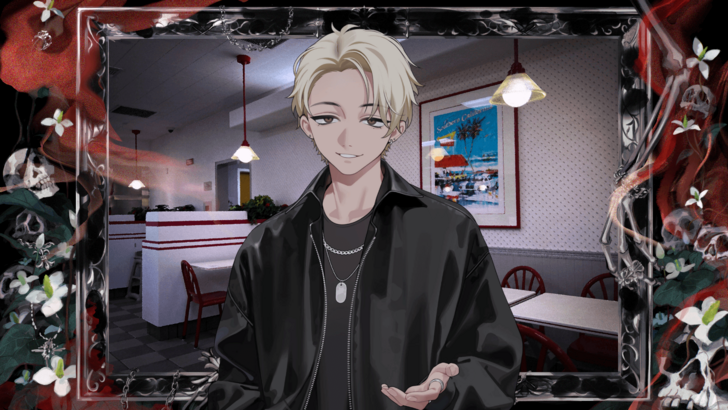
From there, the story moves through five major arcs, each divided into four chapters, following the people Hasuya either reluctantly tolerates or spends time with for the sake of finding inspiration for his next light novel.
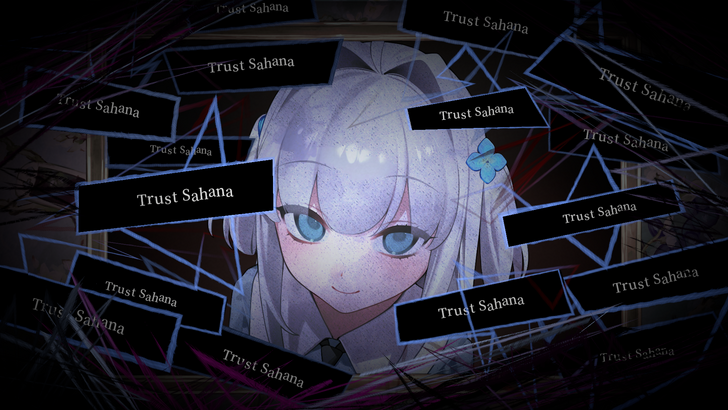
There's Hiyakawa, his college senpai; Tenjiku Botan, a young girl he chooses to "entertain"; Dokudami, a coworker he genuinely hates; Igusa, his high school friend; and finally, his parents. Yet despite how much time we spend exploring these relationships, Hasuya doesn't particularly care about any of them. He'd much rather be at home with his sister, Sahana, and that becomes one of the few constants throughout the story, with each chapter eventually bringing us back to a conversation with his beloved, "remarkably intelligent" younger sister.
Hasuya's Unreliability Feels Like the Writing Itself is Unreliable
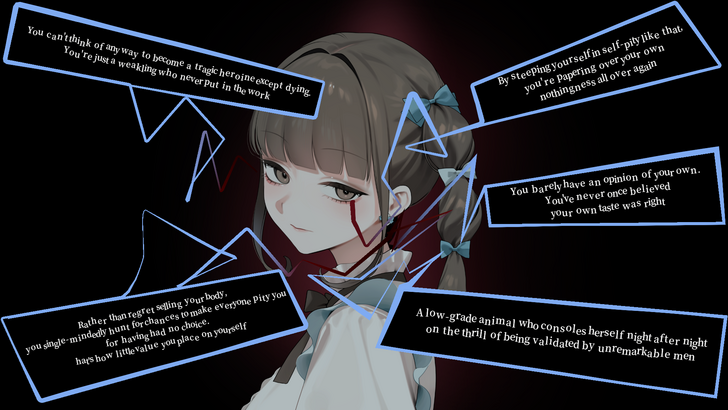
A visual novel has one particularly important job: it needs to make me want to keep reading. When the primary interaction is sitting down and going through pages of dialogue, the story has to give me enough confidence that what I'm reading is going somewhere.
Unfortunately, Sister Other Paranoia repeatedly makes that difficult because Hasuya has a habit of contradicting himself, and I'm never quite sure whether I'm supposed to interpret those contradictions as part of his unreliable narration or simply as inconsistencies in the writing.
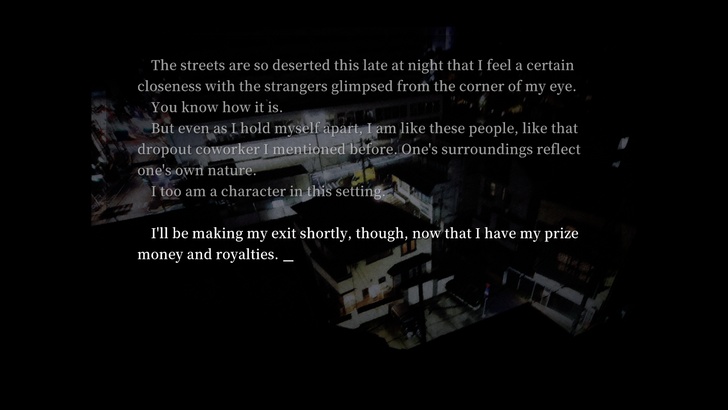
For example, during the prologue, Hasuya talks about how he's now a published novelist earning royalties from his book and implies that he won't need to keep working at the convenience store anymore. Yet when the story reaches the episodes involving Dokudami, he suddenly goes on about how he still needs the job because his royalties aren't enough to support himself, and even goes as far to tell Sahana that he's in the red.
There's a similar issue with Botan, who is initially described as being around college age, only for later dialogue to imply that she's barely of age. These aren't isolated details; there are several other moments where Hasuya establishes one fact before seemingly doing a complete 180 later on.
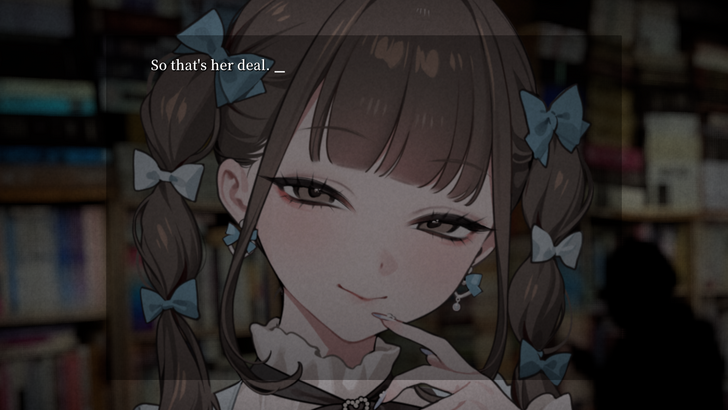
In theory, this could be deliberate. Hasuya is an unreliable narrator, after all, and a story about someone who fundamentally misunderstands other people has plenty of room for an unreliable perspective. The problem is that the game doesn't consistently give me enough reason to believe these contradictions are intentional, so they start feeling less like clever characterization and more like an unpolished story.
If I'm constantly stopping to wonder whether a contradiction is supposed to reveal something about Hasuya or whether the game simply forgot what it established earlier, I'm no longer thinking about the characters or anticipating what happens next. I'm thinking about the writing itself. And when a visual novel already asks me to spend the overwhelming majority of my time reading, anything that breaks my confidence in the story also makes it harder to stay invested in reading it.
Nothing to Root For
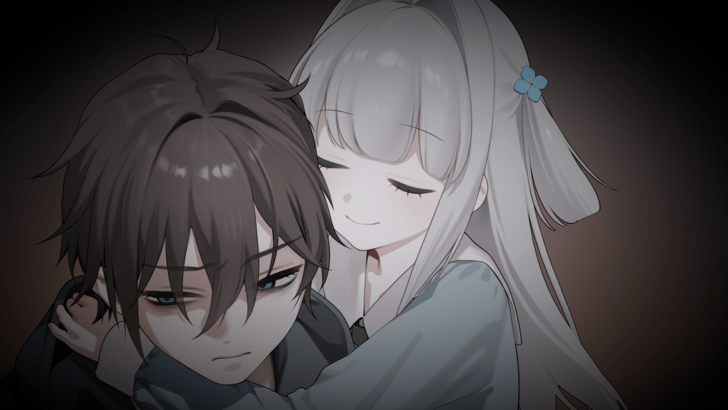
The second thing that made Sister Other Paranoia so difficult to progress through is Hasuya himself. I understand the archetype the game is going for, the tortured artist, the "woe is me" writer who has convinced himself that everyone around him is awful. I'm perfectly fine with an imperfect protagonist, too. In fact, some of the best protagonists are deeply unpleasant people.
The problem is that there isn't much else to Hasuya beyond his hatred of other people. Sure, he's intelligent, and he'll casually quote Dostoevsky while discussing philosophy as though he's a philosopher himself. But he rarely demonstrates that he actually understands the ideas he's talking about. Instead, he picks up these grand concepts, twists them into whatever supports his worldview, and then acts as though he's figured something out that everyone else is too stupid to understand. It doesn't make him sound intelligent, it makes him sound pretentious.
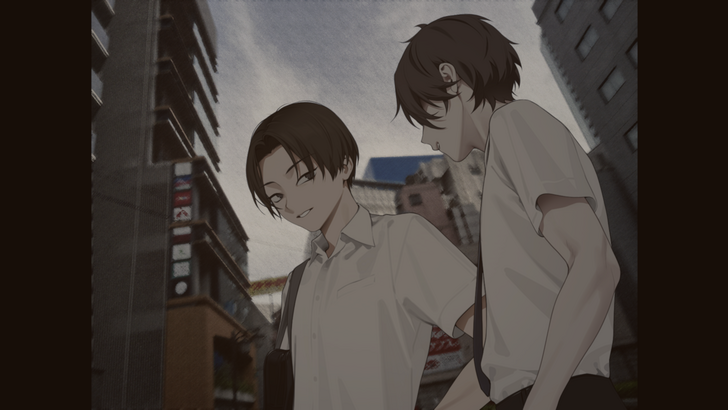
Don’t get me wrong, pretentious characters can absolutely work. Especially when that pretentiousness is used to reveal something more interesting underneath. But Hasuya isn’t deep. He's trying to find meaning in a world he believes is fundamentally rotten, while simultaneously convincing himself that there isn't any meaning to be found. The problem is that understanding what the game is trying to do with a character, doesn't automatically make spending time with that character enjoyable.
This is where I think the game needed to give me something more to hold onto. A protagonist can be arrogant, selfish, nihilistic, or outright horrible and still make me want to follow them. Odysseus is a good example, (at least in the original Odyssey). He's incredibly arrogant, repeatedly puts his men in danger, and even believes himself clever enough to outsmart the gods. He's not exactly a model human being. Yet there's still something that makes me root for him, because the story puts him against forces far greater than himself and gives me reasons to care about whether he survives them. His arrogance has consequences, his intelligence has value, and the world around him constantly challenges his perception of himself.
An Ability Hasuya Barely Uses
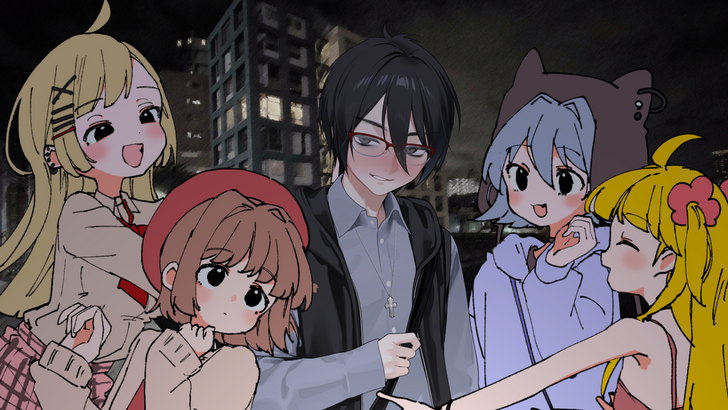
Hasuya doesn't get that same pushback. He's largely a victim of his own mind, which could have been a fascinating foundation for a character. Instead, the game doesn't give me enough of a reason for why he hates people in the first place. He just does. He claims to be able to "read" people's minds, but as established earlier, he spends more time speculating about what people are thinking and immediately jumping to conclusions than actually demonstrating that ability.
And that creates a frustrating problem. Because why am I supposed to believe Hasuya when the game keeps telling me that his perception of other people is wrong? At some point, I wanted the game to stop telling me how awful and corrupt everyone supposedly is and actually show me. Let me see what Hasuya sees when he reads someone. Let me understand why he has reached these conclusions.
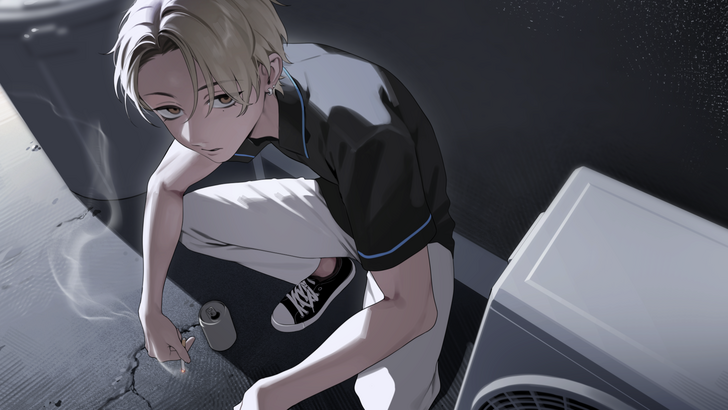
That matters because as players, we need some kind of emotional foothold to keep reading. I don't necessarily need to like Hasuya, but I need to understand him well enough to become invested in where he is coming from. Without that, his constant cynicism doesn't create intrigue; it creates distance.
Sahana's Genius Is Told to Me Instead of Shown to Me
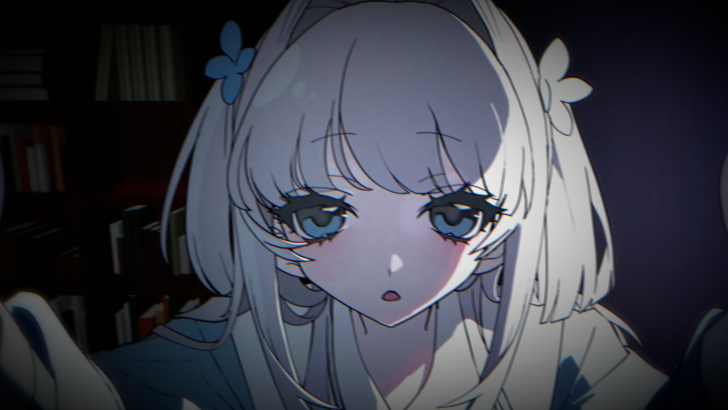
I had a similar problem with the game's insistence that Sahana is a genius prodigy. The story repeatedly tells me how exceptionally intelligent she is, but I rarely see anything that actually proves it. Most of what I know about her intelligence comes from Hasuya's own descriptions, with even his mother's comments about Sahana being filtered through his perspective. We don’t see her academic progress because she’s not attending school. Her conversations with Hasuya never reveal any extraordinary insight. There’s little evidence that she’s actually a genius.
There was simply no need to establish Sahana as a genius. Especially since the game never meaningfully reinforces it. I wouldn't have minded the siblings' unhealthy dependence on each other without the genius angle. Both Hasuya and Sahana are afraid of interacting with other people and seem to find their only real sense of comfort in each other. That's already enough to create an interesting relationship, especially when you consider their neglectful parents and why Hasuya feels so protective of his sister.
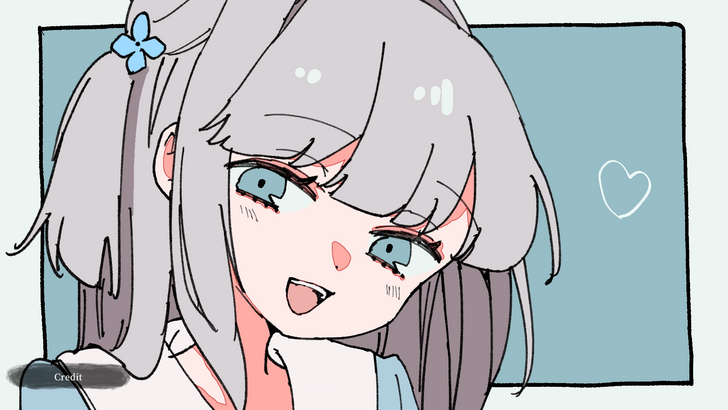
If the intention is that we're seeing Sahana entirely through the eyes of a brother who idealizes her, then that's actually an interesting angle. But even then, I need something tangible that shows me why Hasuya believes she's a genius. It doesn't even have to objectively prove that she is one. Give me a moment where she solves something he can't, demonstrates some extraordinary insight, or even simply does something that Hasuya would interpret as brilliant. That would at least make his belief feel grounded in HIS own reality.
Its Themes Give the Story More to Chew On
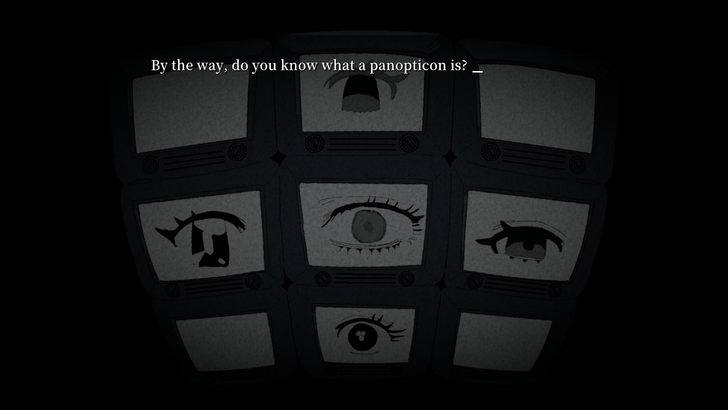
For all my problems with the writing, Sister Other Paranoia does have a much stronger grasp on the themes it wants to explore. Honestly, that's the biggest reason I managed to finish the game at all—and I finished it twice, because I really wanted to give Hasuya every possible chance to prove he’s a strong protagonist, but to no avail.
There are ideas here that genuinely caught my attention, particularly in how the game frames modern social media through Hasuya's worldview. He compares it to a panopticon, where everyone is constantly being watched and judged, and the game reinforces that idea by essentially placing Hasuya in the guard tower. He's watching everyone around him, watching them watch each other, and watching how people adjust their behavior because they know they're being observed. It fits neatly with Hasuya's obsession with other people's thoughts while also making his own role in this system increasingly uncomfortable.
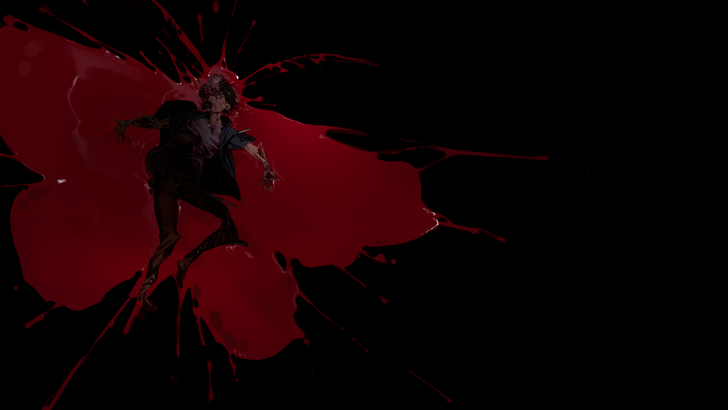
The game also does a surprisingly good job of reinforcing its themes through its visual and literary references. Each chapter features imagery and quotes from different books that correspond to what is about to happen, giving the individual arcs a thematic identity beyond simply being another sequence of conversations.
Igusa's arc is for example, his character is symbolized by a caterpillar and the idea of eventually becoming a butterfly, and his chapter begins with a quote from The Human Chair The Caterpillar, and his arc is riddled with butterfly symbolism.
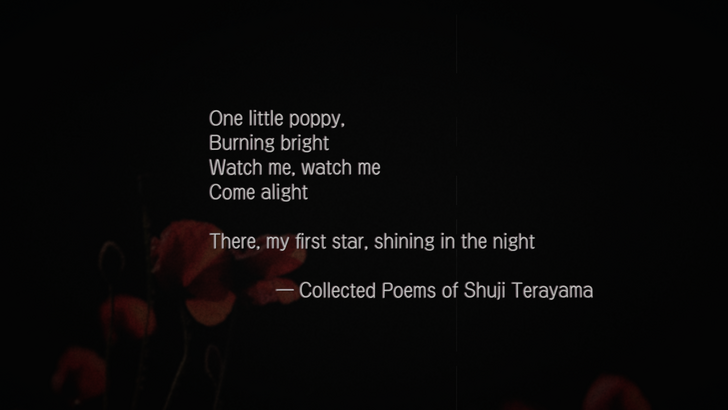
These ultimately give me another way to interpret what the characters are going through before the story even spells it out. It's the kind of thematic layering I wish the rest of the writing had more confidence in, because when Hasuya stops explaining himself and lets Sister Other Paranoia’s imagery and references speak alongside the story, it becomes considerably more interesting.
Choices Does Not Change What Hasuya Says or Does
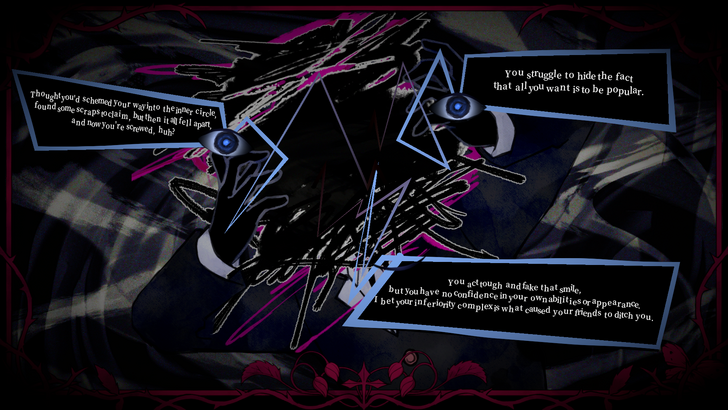
As mentioned earlier, Sister Other Paranoia is divided into several arcs with four chapters each, and most of those chapters follow the same formula: I read, occasionally click on something, and continue reading. A handful of chapters try to break that rhythm with dialogue choices, but the problem is that most of these choices don't actually choose anything. Hasuya is going to say everything regardless of what I first pick, so I'm essentially clicking through different orders of dialogue that all lead to the same outcome. This is an illusion of agency rather than actual player choice.
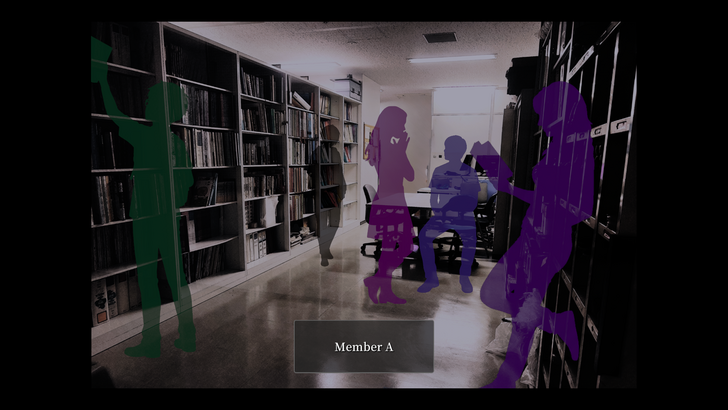
One mechanic I genuinely liked, however, appears during Hiyakawa's arc, where I'm allowed to type an insult rather than simply select from predetermined dialogue. It's a small idea, but it works surprisingly well because the normal dialogue choices don't really give me enough room to express just how critical Hasuya is of Hiyakawa.
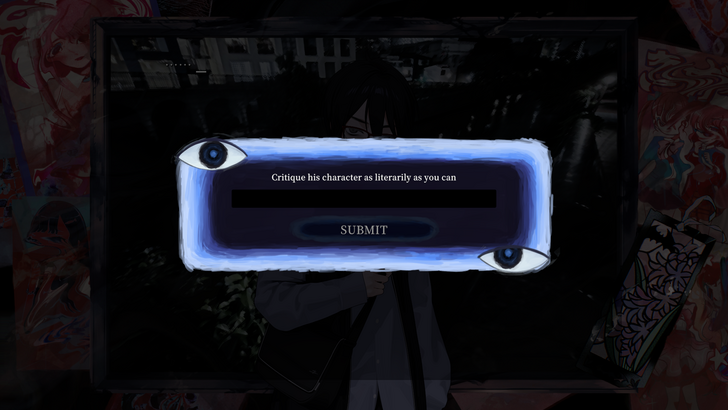
It also makes sense within Hiyakawa's arc since both characters are involved in the same literary circle. It's the kind of interaction that made me wish the game experimented more with its format. Unfortunately, even this mechanic ultimately doesn't matter. No matter what I type, the story still leads me toward the same true ending. Sure, there are two dialogue choices for different characters that actually do affect the outcome, but both simply lead to different premature endings.
Is it a problem? Not exactly. But it gives the appearance of control, only to find out, none of it matters. Knowing there are multiple endings also creates an expectation that these choices will lead to meaningful outcomes. Rather than simply funneling players toward the one true end, with a few premature endings along the way. In a visual novel where reading already makes up the overwhelming majority of the experience, meaningful choices can be an important way to keep players engaged.
The True End is Not Particularly Thought Provoking
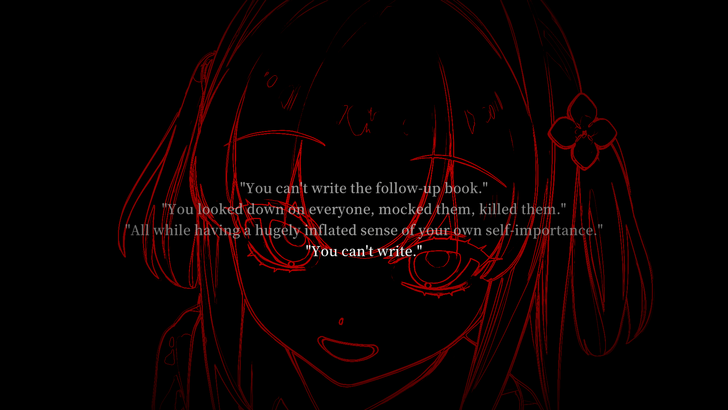
There are three endings in Sister Other Paranoia, and getting the true ending requires something rather unusual: Hasuya cannot develop as a person. He has to remain exactly where he is, trapped in whatever miserable worldview he has built for himself.
And strangely enough, that makes the ending gratifying. Not satisfying—gratifying. The ending essentially confirms that the discomfort and frustration I felt toward Hasuya throughout the game were intentional. The game knew exactly how insufferable he was, and the true ending eventually acknowledges that what I had been thinking and feeling as a player was, in fact, correct. Hasuya isn't secretly the misunderstood genius I was supposed to sympathize with; he's a deeply flawed person who has constructed an entire worldview around his own misery.
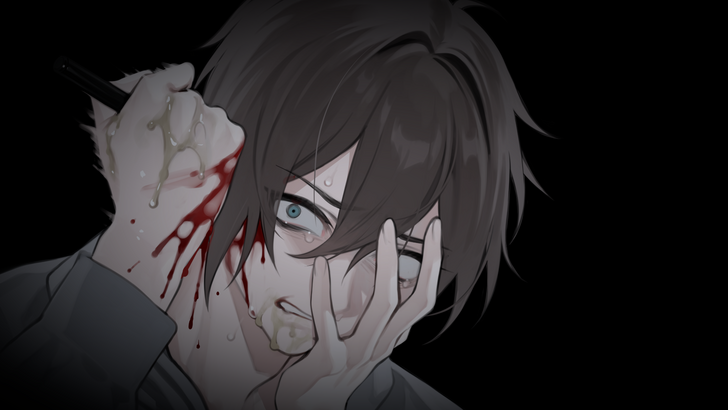
Normally, I don't particularly like stories that have to spell out their conclusions for me. Whether it's a game, movie, or book, I'd rather the work trust me enough to put the pieces together myself. Sister Other Paranoia comes dangerously close to crossing that line, but I can understand why it does so here.
Hasuya is written to be so relentlessly unpleasant that, at several points, I genuinely started wondering whether the game itself actually believed the things he was saying. The payoff works because the game eventually makes it clear that it was never asking me to agree with Hasuya. And after spending the entire game inside his head, having that realization finally land is one of the few moments where the game's intentions feel completely clear.
Hasuya Is a Sick Man Because He Makes the World Sick
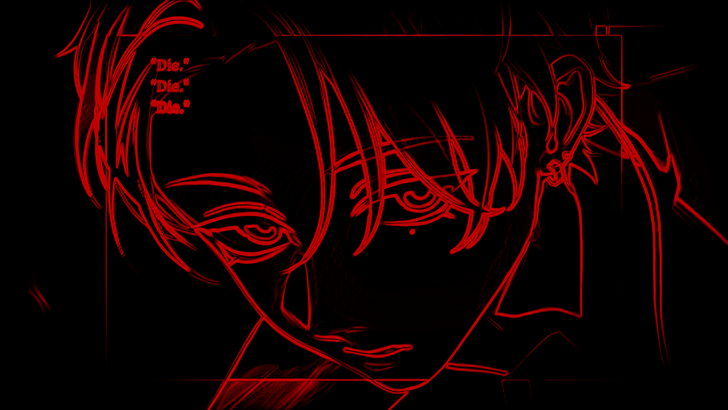
In the end, Hasuya is correct when he quotes Dostoevsky's Notes from Underground. He is a sick man, and he is a spiteful man. But unlike Robert De Niro's Travis Bickle in Taxi Driver, which was itself inspired by Notes from Underground, Hasuya isn't isolated because he's simply disgusted by the filth of the world around him. The more uncomfortable truth is that the world around Hasuya is vile because Hasuya himself is vile. He looks at everyone, assumes the worst of them, and then uses what he thinks he understands about them as proof that his worldview was correct all along.
That's what makes his character work better in retrospect. Hasuya spends the entire game rationalizing his hatred of other people, dressing it up in philosophy, literature, nihilism, and whatever other intellectual framework can make his misery feel justified. But in doing so, he completely misses the point of the very ideas he's invoking. Hasuya isn't a man who correctly diagnosed a rotten world; he's a man who keeps making the world rotten in his own mind and then congratulates himself for noticing the rot.
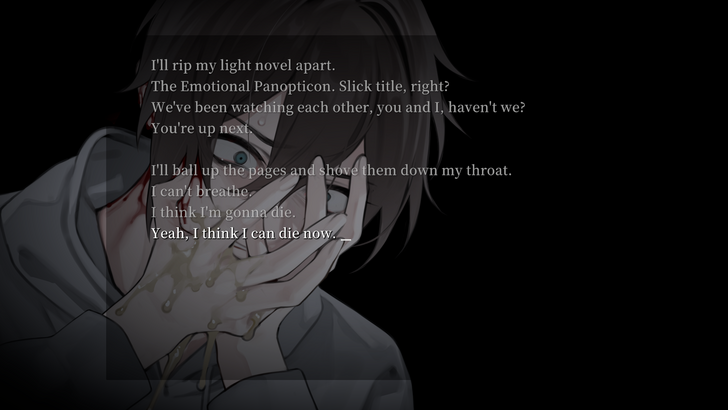
This is ultimately where Sister Other Paranoia succeeds. It takes a protagonist who initially feels like an exhausting collection of arrogance, nihilism, and self-pity and eventually reveals that those qualities are precisely what the story has been examining. The game does its job because it makes me experience Hasuya's worldview from the inside before forcing me to recognize how fundamentally warped it is.
But being a dark game isn't enough on its own. A story can't simply throw misery, nihilism, suicide, abuse, and unpleasant characters at me and expect that darkness to automatically become meaningful. Darkness needs something underneath it, an idea worth exploring, a character worth understanding, or a perspective that changes how I look at something. Sister Other Paranoia occasionally finds that substance, particularly in its themes and its treatment of Hasuya, but it also spends a frustrating amount of time making me dig through its weakest writing to find it.
Is Sister Other Paranoia Worth It?
There Are Better Dark Visual Novels Out There
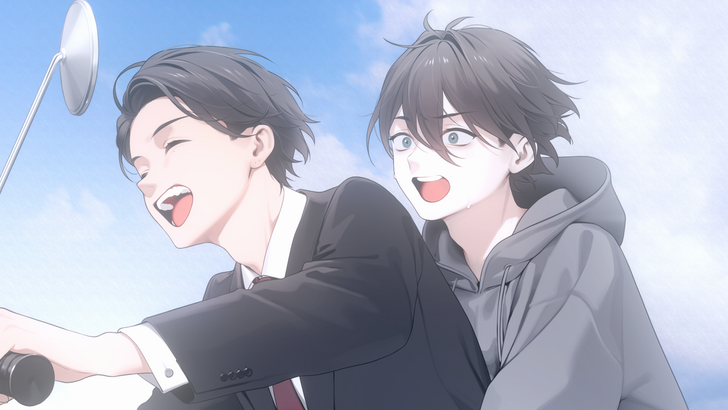
If you're ready to be annoyed—and I mean really annoyed—and you're willing to dig through the inconsistent writing and an intentionally insufferable protagonist to understand the darker ideas Sister Other Paranoia is trying to explore, then there is something here for you. The game has genuinely interesting things to say about isolation, perception, social relationships, and the way people can construct their own understanding of the world around them.
Its visual symbolism and literary references also show that there was clearly more thought put into its themes than the uneven writing.
But for the general audience, I can't really recommend it. A visual novel, by nature, already asks its players to spend the overwhelming majority of the time reading, therefore, it needs to make that reading worthwhile. The problem isn't that the game is slow, dark, or uncomfortable; those things can absolutely work when they're used with purpose.
It's that the journey to get there is so frustrating that I found myself fighting the game more than engaging with it. There is something worth finding underneath all of its misery, but I don't think there's enough there to justify how much patience it demands from the average player.
If you're specifically looking for a dark, uncomfortable visual novel and don't mind a story that deliberately puts you inside the head of an unpleasant and unreliable person, then sure, give it a chance. But if you're looking for something that's actually disturbing while still giving you something meaningful to chew on, there are better choices out there.
The Song of Saya, for example, is far more disturbing in its subject matter, but that darkness is tied to ideas about perception, humanity, and how reality itself can become horrifying depending on who is looking at it. Sister Other Paranoia doesn't quite reach that same level. And when other visual novels are willing to be far more disturbing while also giving that darkness a stronger thematic foundation, it's difficult for me to recommend Sister Other Paranoia simply because it is dark.
Game8 Reviews