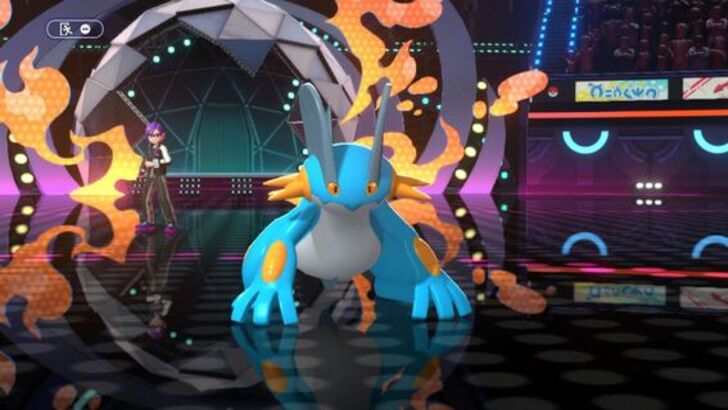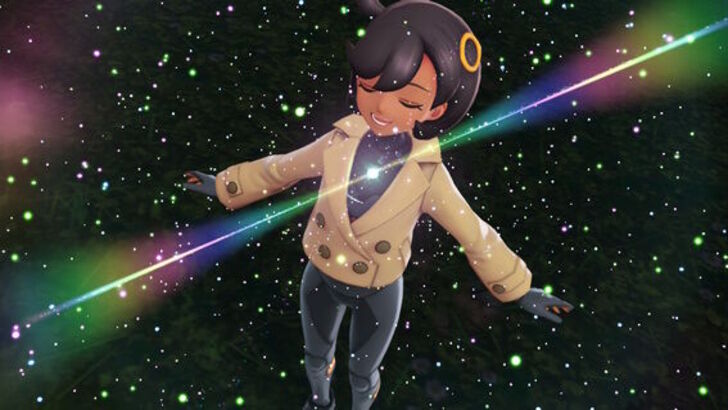



Pokemon Brilliant Diamond and Shining Pearl are remakes of the 4th Generation of Pokemon developed by ILCA Inc. Read our review to see what it does right, what it doesn't, and our overall thoughts on the game.
Overview
What is Pokemon Brilliant Diamond and Shining Pearl?
Pokemon Brilliant Diamond and Shining Pearl are RPGs developed by ILCA Inc. and published by Nintendo and The Pokemon Company. They are remakes of the original Pokemon Diamond and Pearl released in 2006 for the Nintendo DS. Their features include updated graphics, gameplay changes like the addition of the Fairy type, and quality-of-life improvements like the removal of HMs and Pokemon following players in the overworld. Brilliant Diamond and Shining Pearl sees players exploring the Sinnoh region, uncovering its mysteries, and taking on the Pokemon Gym Challenge with a team of Pokemon caught and trained from the area.
Pokemon Brilliant Diamond and Shining Pearl features:
⚫︎ The Original Sinnoh Regional Pokedex
⚫︎ A New Chibi Art Style
⚫︎ Classic Pokemon Battling
⚫︎ Quality of Life Upgrades from the 2006 Original
⚫︎ Online Trading and Battling
| Digital Storefronts | ||
|---|---|---|
 Pokemon Brilliant Diamond Pokemon Brilliant Diamond |
Pokemon Shining Pearl |
|
| $59.99 | ||
Pokemon Brilliant Diamond and Shining Pearl Review | Distorted by Space and Time
An Incomplete Remake
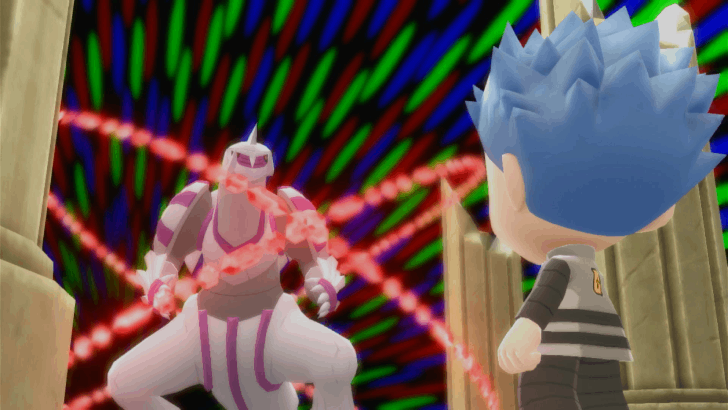
Since FireRed and LeafGreen, trainers have been expecting remakes of old mainline Pokémon games every time a new Generation is introduced. Since then, we’ve received remakes up to Generation IV. Game Freak released Omega Ruby and Alpha Sapphire, which brought the beloved Generation III games to modern systems while expanding on their lore, such as its post-game Delta Episode, while integrating fresh mechanics like Mega Pokémon straight out of Hoenn. After the Gen III remakes, and as audiences expected, Brilliant Diamond and Shining Pearl (BDSP) was released a Generation after.
Unfortunately, while trainers may have awaited the Generation IV remakes, BDSP attempted to compromise between staying faithful to the original games and translating them into modern Pokémon games. This attempt resulted in an awkward adaptation that feels limited and clunky while failing to properly integrate its generation’s mechanics. Ultimately, these Gen IV remakes fall short of where their remake predecessors succeeded.
Updated Mechanics, Limited Gameplay
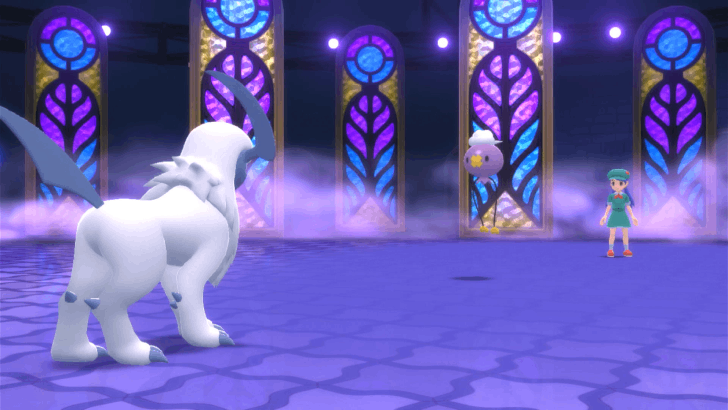
Brilliant Diamond and Shining Pearl were released four generations after the original games, and just like the original Generation IV’s redefining physical and special move split, a lot of in-game mechanics have been introduced since then, such as the Fairy-type or each generation’s unique battle mechanic (e.g., Mega Pokemon or Z-Moves).
BDSP integrates some of these modern mechanics, such as box access from anywhere, a modern movepool, and the ability to use HMs without being forced to add them to a Pokemon’s moveset. With these added mechanics, the game feels more convenient to play compared to the originals.
However, the games only go halfway in terms of integration. For example, all TMs are breakable, lots of moves from Gen VIII are unusable, and there are still only four Fire-type Pokemon available before the post-game. More importantly, these games do not interact with Sword and Shield, the other pair of Gen VIII games, and their mechanics at all.
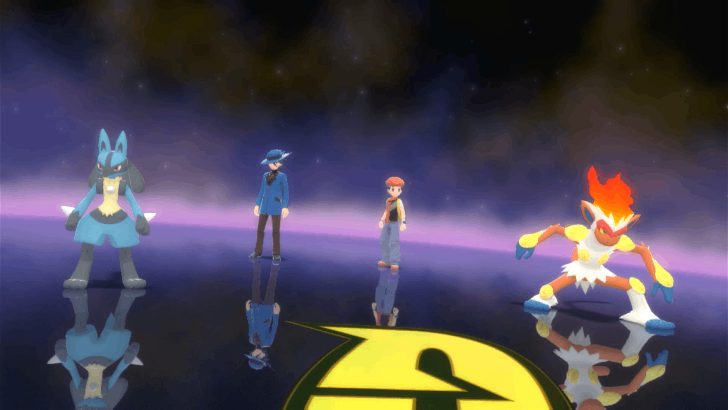
As a result, BDSP feels very limited gameplay-wise, especially in terms of available options. It’s pretty clear as to what the best Pokémon to use are, which leads to a pretty linear playthrough. (e.g. Chimchar is by and large the best Fire-type, and not choosing it as your starter is a massive loss). Movesets are also pretty much set due to the unavailable moves, and you’ll have to be very selective with using TMs due to scarcity.
Additionally, due to its lack of interaction with the other pair of Gen VIII games and their mechanics, the remakes don’t feel like they fully belong to the same generation. While BDSP allows trainers to experience the Gen 4 games through a modern lens, that lens is essentially fractured due to the incomplete implementations. Overall, the remakes feel like they were mostly made for newer trainers to experience the originals on the latest Nintendo console.
An Awkward Transition to the Modern System
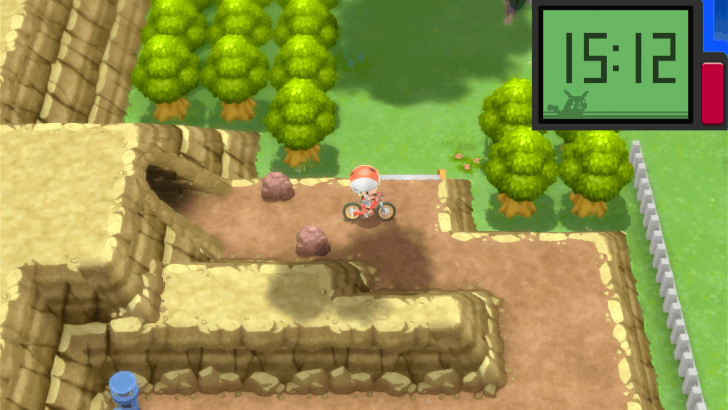
The original Diamond and Pearl were played on a much different system. Specifically, the games revolved around their sprite-based art style and the grid-based overworld while using the DS’ dual-screen feature. However, Nintendo has long foregone the dual-screen since the Wii U, and Pokémon has transitioned into 3D both in its art style and its overworld traversal.
Brilliant Diamond & Shining Pearl makes an attempt to lay down the system of the originals on the Nintendo Switch. For instance, BDSP returns to its grid-based overworld while having free-directional movement, replicating modern Pokémon games. It also reintroduces the Pokemon Watch, or Poketch for short, which acts like a smart watch with various apps. This was originally made for the DS’s second screen, but since the Switch lacks a second screen, you can access it at the top-right part of your screen instead.
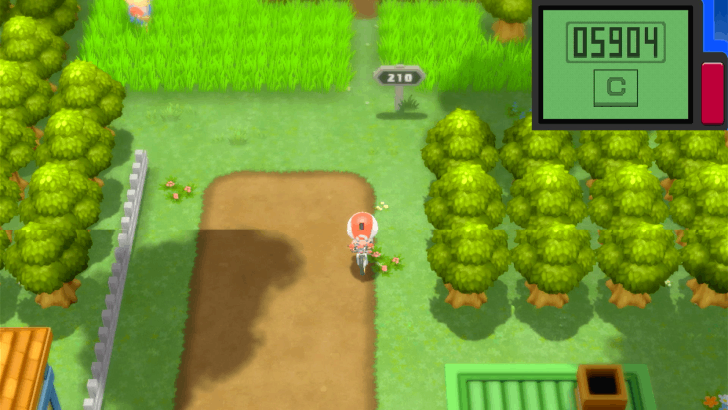
While the return of both the Watch and the original overworld are welcome, their implementation certainly doesn’t click. The Poketch is hard to navigate. The slow cursor and the need to press the button repeatedly to cycle through different apps made it bothersome to use. Moreover, a lot of the apps feel unnecessary or archaic, with apps like the watch, timer, and calendar being outmoded in a world run by smartphones.
On the other hand, while the free-directional movement gives the illusion of fluidity, its disconnect with the grid-based overworld makes certain sections of the map feel unnecessarily awkward to navigate. Bike riding, in particular, tends to become a hassle as a result. In turn, the implementation of these mechanics show that some aspects of past Pokemon games may need to be phased out or reworked to fit the current generation and that compromising to fit both old and new can create a half-hearted product.
Side Content is Neither Super nor Grand
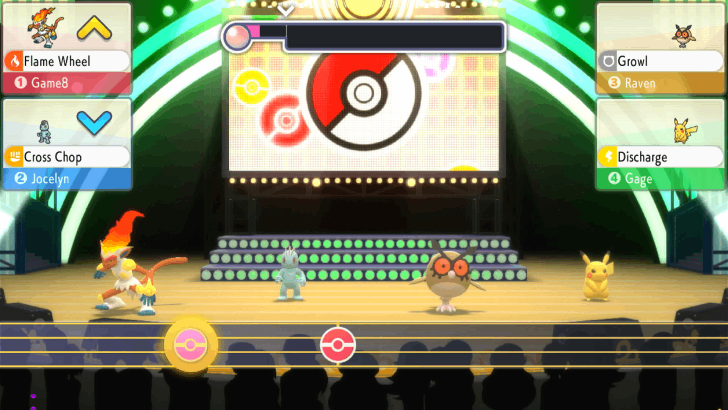
The Pokémon games have always had their offering of side content to complement every trainer’s journey through the Pokémon League, such as the Game Corner, Safari Zone, and modern minigames like Mantine Surf. The original Diamond and Pearl had two main pieces of side content: Super Contests and the Sinnoh Underground. Super Contests expanded upon the original Contest minigame and allowed you to dress up your Pokemon and either follow a dance routine or create one for the other contestants to follow. Meanwhile, the Sinnoh Underground allowed you to dig up treasure such as spheres, decorate your own Secret Bases, and even play Capture the Flag with a friend.
In the remakes, the Super Contests have been stripped down: Instead of dressing up your Pokemon, the new Contest uses your Pokemon’s contest stats (Beauty, Cuteness, etc.) as well as the stickers on that Pokemon’s ball capsule as a scoring basis. The dance section has also been replaced by a simple, uninnovative rhythm game instead. Decorations and the CTF minigame have also been removed from the new Underground in favor of the newly added Hideaways, which consist of various habitats that alleviate the BDSP’s limited Pokemon selection.
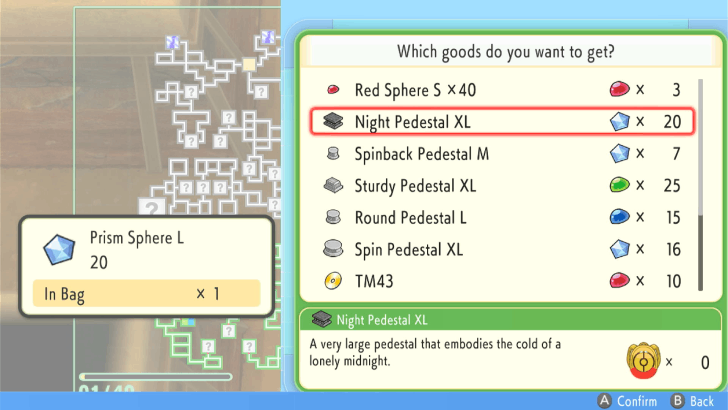
For any game, Pokemon or not, stripping down the main section can result in a linear or one-dimensional experience. However, stripping down side content is a different conversation entirely: Specifically, bare side content begs the question, “Are these sections even worth investing time in?” For Super Contests, the removal of the little depth it had now makes it unappealing to explore; If I wanted to play a rhythm game, there are better games to scratch that itch. The new Grand Underground has its practical uses, but even Hideaways are hindered by progression, and the notable Pokemon that appear only increase significantly during the post-game.
Furthermore, we’re long past the DS days, and in a world where a good internet connection is a basic utility, an expanded Capture the Flag could have worked well as another way to enjoy the game with friends. Instead of adding more layers to BDSP, these sections end up as side content that you can easily skip, and you’ll be using the Grand Underground to catch Pokémon at best.
Beloved Features Are Also Half-Baked
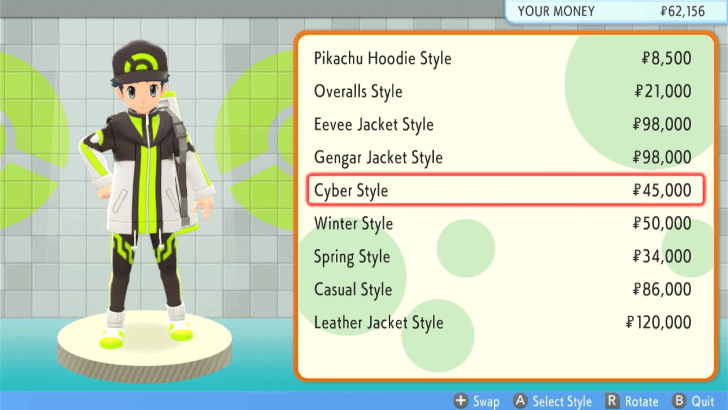
Finally, both old and new Pokemon games introduce features that don’t necessarily make the gameplay deeper but act as neat little treats throughout your playthrough. Starting from Generation VI, trainers have been able to customize their style with clothing options, and BDSP implement character customization as well. Both Diamond/Pearl and HeartGold/Soulsilver reintegrated the ability to walk with your favorite Pokemon from Pokemon Yellow. With these features returning in Sword and Shield, it was also an expected addition to the Generation IV remakes.
However, while they did add character customization, the clothing options are very limited: You don’t get to mix and match clothing pieces as you’re restricted to presets. There are no other unlockable clothing options, either. It’s been shown that depth in customization is possible both in previous and current generations, so the question is, why turn back now? Is it because it wasn’t available in the original games? While it plays a minor role in the overall experience, it definitely adds to that limiting feeling that BDSP gives.
Furthermore, while your Pokemon would always be one unit behind you when you walk it in Diamond & Pearl, the free-directional movement and transition to the 3D system in its remake means your Pokemon will follow you at varying speeds. This would unfortunately hinder you at times when you turn and walk back. Moreover, though the remakes wanted to imitate the realistic speed of a Pokemon following behind you like in Sword and Shield, they stopped halfway and didn’t even implement smoother animations for every Pokemon (e.g Dialga and Rayquaza, with all of their grandeur, move as completely static models behind you, making them look pretty silly instead). This is another example of attempting to compromise between the original gameplay and how modern Pokemon games work: You end up not wanting to walk with your Pokemon at all as they either move slower than you’d like, get in your way, or just move awkwardly. Unfortunately, even on a micro-level, this game’s features feel undercooked and leave players wanting for more.
Is Pokemon Brilliant Diamond and Shining Pearl Worth It?
Wait for a Sale
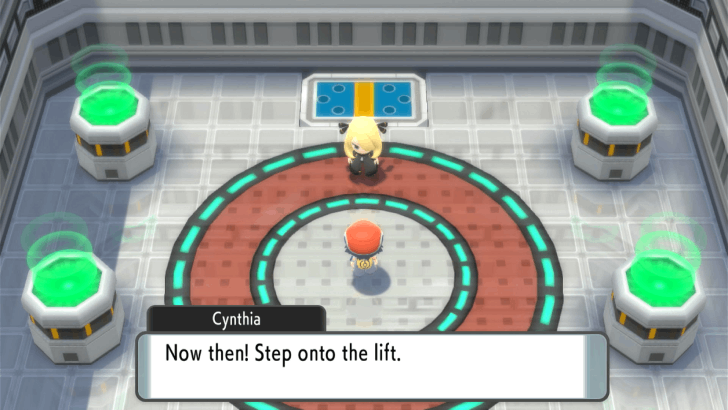
Pokemon Brilliant Diamond and Shining Pearl reimagines your journey through the Sinnoh region, defeating Team Galactic on your way to the top of the Pokemon League. It improves the original games by adding modern gameplay mechanics, harder trainer battles, and more ways to access Pokemon, as well as using modern Pokemon games’ 3D style. However, the BDSP suffers from half-hearted and half-baked implementation, leaving you unsure if they want to faithfully emulate the original games or present them like a modern Pokemon game. Essentially, the games can only be described as a visual and mechanical update of the Generation IV games instead of a fully remade Diamond & Pearl made for the current generation. For users who have never played the originals or want to replay them, I suggest waiting for a sale before purchasing. However, I suggest more experienced trainers try other Pokémon games instead.
FAQ
Do Brilliant Diamond and Shining Pearl Have Online Multiplayer?
Yes, Pokemon Brilliant Diamond and Shining Pearl have online multiplayer elements, namely Pokemon trading and battling. These features can be accessed from the main in-game menu and require an active Nintendo Switch Online subscription to access.
Does Brilliant Diamond and Shining Pearl feature Pokemon from Future Games?
No, Pokemon Brilliant Diamond and Shining Pearl do not feature the Pokemon from Generation 5 (Black and White) above. They cannot be found in-game, and they cannot be transfered from Pokemon HOME.
Game8 Reviews