

JoJo's Bizarre Adventure: Golden Spirit is a stylish JoJo mobile RPG with strong visuals, layered progression, and strategic autobattler combat. Read our review to see what it did well, what it didn't, and our overall impressions of the game.
Overview
What is JoJo’s Bizarre Adventure: Golden Spirit?
JoJo's Bizarre Adventure: Golden Spirit is a mobile RPG centered on automated grid-based battles, character collection, team building, and character progression. Players recruit characters and their associated Abilities, develop their skills, and strengthen their teams through equipment-style systems such as Dramatic Scenes and Badges. The game also features a variety of PvE and multiplayer modes, including story stages, trials, investigations, World Bosses, and guild-based content.
JoJo's Bizarre Adventure: Golden Spirit Features:
⚫︎ Automated Grid-Based Stand Battles
⚫︎ Character and Ability Collection
⚫︎ Team Building and Tactical Positioning
⚫︎ In-Depth Character Upgrade Systems
⚫︎ Dynamic Weather Conditions
⚫︎ PvE and Multiplayer Game Modes
⚫︎ Guild-Based Progression and Rewards
| Digital Storefronts | |||||
|---|---|---|---|---|---|
 Google Play Google Play |
 App Store App Store |
||||
| Free-to-Play | |||||
JoJo's Bizarre Adventure: Golden Spirit Review | The "Golden Spirit" Needs Serious Commitment
Enter the Gang-Star
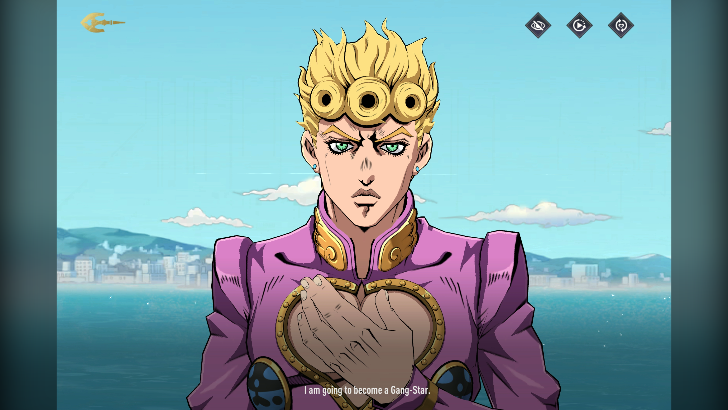
Anime-based mobile RPGs are hardly unusual anymore, and JoJo's Bizarre Adventure: Golden Spirit arrives in a space already filled with team-building systems, automated combat, layered progression mechanics, and gacha-driven character collection. What makes it immediately stand out is not the structure itself, but the series it is built around, with JoJo's dramatic presentation, eccentric characters, and unmistakable visual style giving the game a strong identity from the outset.
For longtime fans, that familiarity is a major part of the appeal. Golden Spirit brings together recognizable characters and moments in a format built around collecting, developing, and assembling them into teams, giving the familiar world a new gameplay framework without asking players to forget what makes JoJo distinctive.
The result is a mobile RPG that wears its source material proudly. Golden Spirit has all the ingredients expected of the genre, but its success ultimately comes down to how well those familiar systems complement the personality and spectacle that made JoJo so memorable in the first place.
Embarking on a Bizarre Adventure
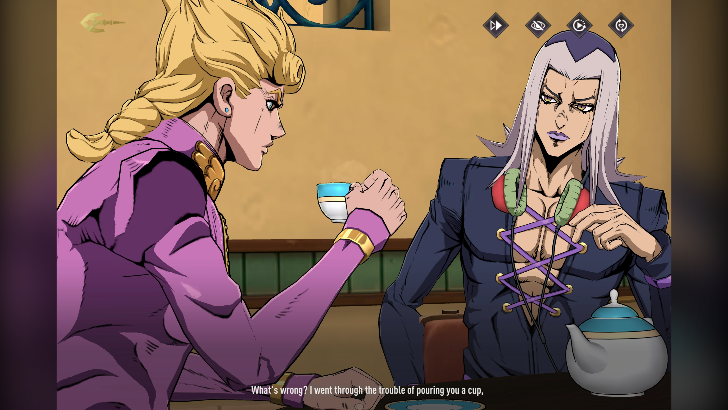
JoJo's Bizarre Adventure: Golden Spirit is, for the most part, a direct adaptation of Giorno Giovanna's introduction to the criminal organization Passione. The campaign follows Giorno as he crosses paths with Bruno Bucciarati, joins his squad, and becomes involved in their search for Polpo's hidden treasure. From there, the game largely follows the familiar events of Giorno's adventure, albeit with some material condensed along the way.
For existing JoJo's Bizarre Adventure fans, that familiarity is part of the appeal. Recognizable characters, locations, and story beats are recreated with reasonable faithfulness, while a mixture of animated cutscenes, Live2D artwork, and 3D sequences gives these familiar moments plenty of visual variety. The adaptation doesn't do much to reinvent the story, but it remains an enjoyable way to revisit Giorno's journey.
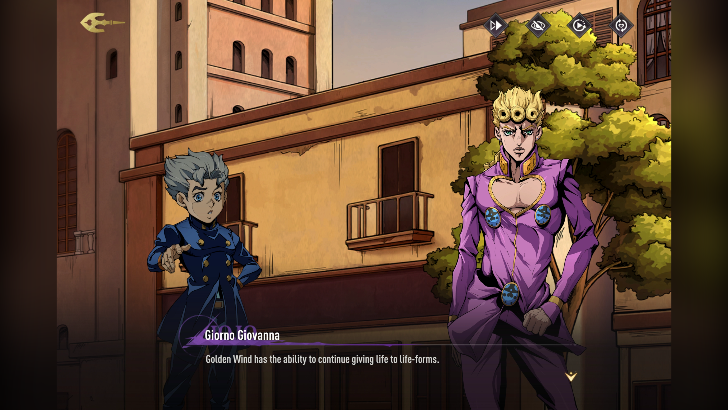
The bigger issue is that Golden Spirit assumes a lot of prior knowledge. Concepts such as Stands, unusual ability names like Sex Pistols, and important lore elements such as the Bow and Arrow are introduced with very little explanation. Characters speak as though the player already understands how this world works, which can make the story surprisingly difficult to follow for someone experiencing JoJo for the first time.
That makes Golden Spirit feel much more like a celebration of JoJo for existing fans than a welcoming entry point for newcomers. Players who already know Giorno, Bucciarati, and Passione will find a faithful recreation of familiar events, while those coming in fresh may spend more time trying to understand the world than appreciating the story itself. The adaptation is perfectly serviceable, but its condensed presentation and occasional lack of narrative context keep it from being the definitive way to experience Giorno's journey.
Stand Battles and Stat Screens
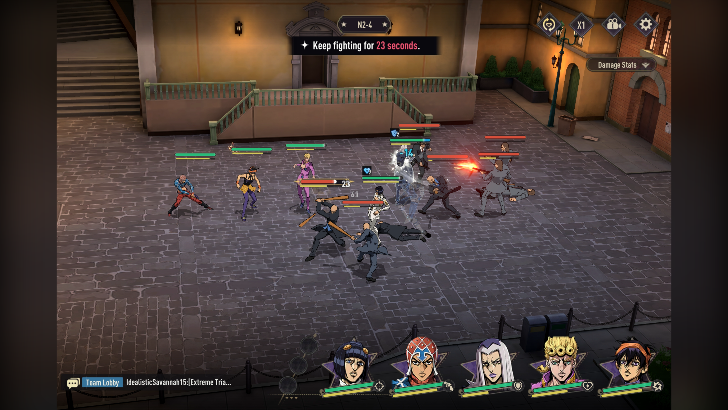
Golden Spirit's combat is built around an automated grid-based battle system, with most actions playing out on their own once a fight begins. The RUSH mechanic adds a small layer of resource management, activating after three skills are used in quick succession to increase damage and restore energy for further skill activations. It is a simple system, but it gives players another reason to think about how their team approaches a fight rather than simply relying on its overall power.
Much of that decision-making comes from what happens before a battle. Enemy formations, special mechanics, and stage-specific weather conditions can all influence how a team should be arranged. Windy weather, for example, increases attack speed and damage for ranged units, and encountering it was enough to make me reconsider my usual lineup and field more ranged characters. It is a straightforward modifier, but one that gives the roster more purpose by creating situations where a character's usefulness can change from one stage to the next.
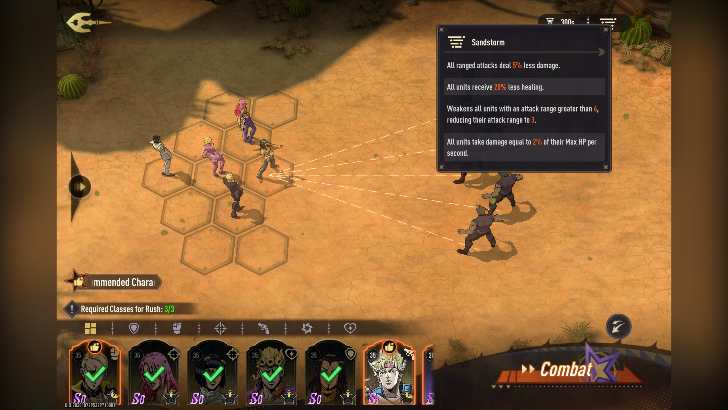
Stage conditions similarly give preparation more weight. Some harder story stages impose specific requirements for earning all three stars, such as defeating a certain number of enemies before the main target or attacking a marked enemy first. These objectives are simple, but they prevent every encounter from being solved by throwing the strongest available team onto the field. Instead, they encourage small adjustments to positioning and team composition, which makes clearing a stage feel more deliberate than its automated combat might suggest.
There are also moments where it pays to take control rather than let the battle resolve itself. Ultimates can provide everything from damage to healing and shields, making their timing useful when an enemy needs to be dealt with quickly, or the team needs support at a specific moment. Manual control can also become important when a stage has strict requirements, such as limiting how often RUSH can be triggered. In higher-level Interview Trials, meanwhile, firing several Ultimates in quick succession can help prevent enemy waves from overwhelming an otherwise adequately prepared team. The game rarely demands this level of intervention, but when it does, it gives the player a meaningful reason to pay attention.
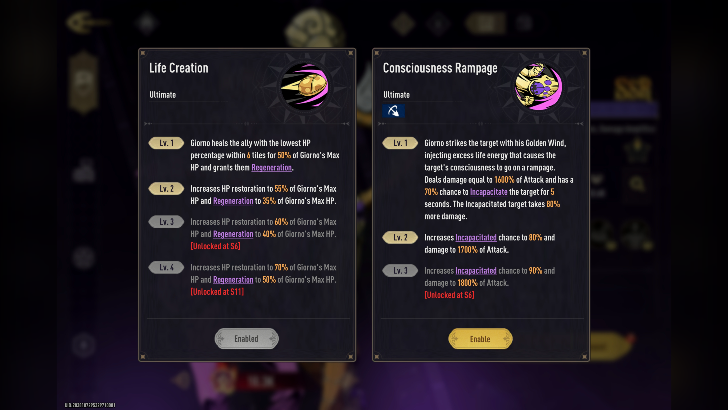
That preparation extends into how individual characters can be built. Characters can equip different Ultimates that alter their role within a team rather than simply increasing their numbers. Giorno, for example, can use Life Creation as a healing-focused Ultimate or switch to Consciousness Rampage for a more offensive role. Combined with weather effects, enemy mechanics, and stage objectives, these options make team building about more than simply assembling the highest-powered characters available.
None of these systems are particularly complicated on their own, but Golden Spirit's combat benefits from how they intersect. Weather can change which characters are useful, stage objectives can alter how a team is positioned, and Ultimate timing can determine whether a difficult encounter is cleared cleanly or falls apart. The battles themselves remain largely automated, but that makes the preparation behind them more important rather than rendering it irrelevant. Golden Spirit does not reinvent the autobattler, but it has built a combat loop where figuring out how to approach a stage is often more engaging than controlling what happens once the battle begins.
Your Next Line Is “I Need More Power”
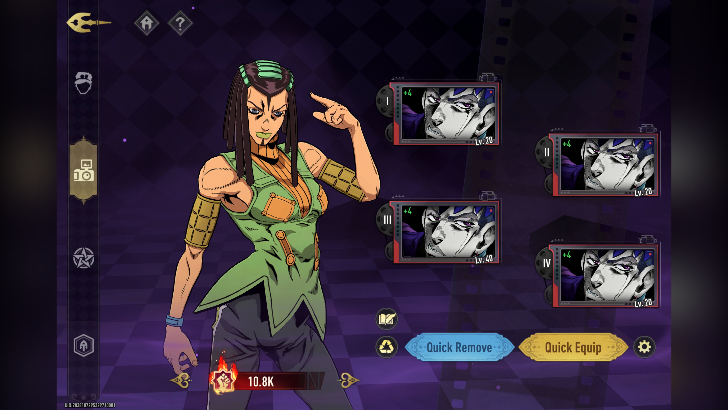
Progression in Golden Spirit fits neatly into the game's preparation-focused combat loop. Strengthening characters allows them to tackle harder content, which in turn provides the materials needed to make them stronger. It is a familiar feedback loop, but one that works because improvements to the roster have a tangible effect on what content can be cleared. The game's systems also unlock gradually, making the increasingly complex progression easier to understand.
Dramatic Scenes and Badges form much of that preparation. Dramatic Scenes repurpose memorable anime moments into equipment-style cards that provide stat bonuses, with upgrades increasing one stat at random and higher tiers eventually adding set effects. Better pools become available through higher-ranked Extreme Trials, although access to them can eventually require additional account levels.
Badges, meanwhile, start as another source of bonuses before becoming more involved through promotion, dismantling for skills, and gem slots that can be filled with those skills. World Bosses also contribute to Badge progression, providing Refined Iron through their rewards and shop while giving players additional reasons to engage with the mode.
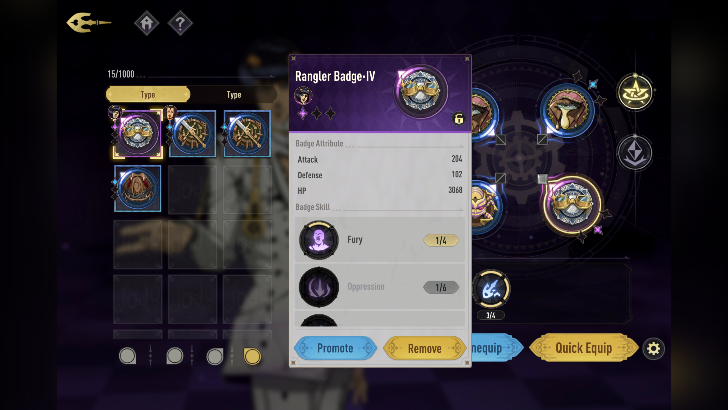
Dramatic Scenes and Badges provide additional layers of team optimization, while Collectibles and other upgrades give players reasons to keep clearing content after their characters have been built. The game is at its most satisfying when these systems feed back into its preparation-heavy combat, creating another reason to reconsider how a team can be improved before taking on its next challenge.
The main drawback is that this momentum can be interrupted by time gates. SPW Requests take real time to complete, while stronger Dramatic Scene pools can require account-level progression to access. These restrictions do little to hurt the progression loop itself, but they can leave players waiting when there is still room to strengthen the roster.
Menacingly Good Presentation

Golden Spirit looks and sounds far better than its fairly conventional gameplay might suggest. The game does an impressive job capturing the exaggerated style and dramatic flair that make JoJo's Bizarre Adventure so recognizable, with a presentation that consistently feels more ambitious than its mobile RPG framework might imply.
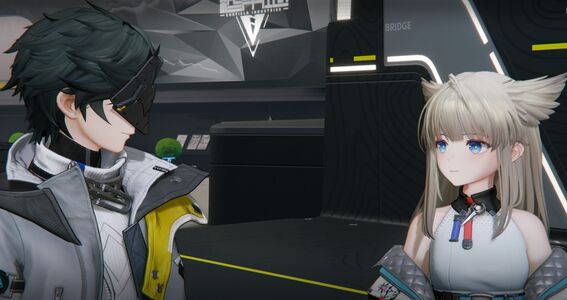
The character models are excellent, and the game rarely relies on a single presentation style for long. Story scenes shift between anime screencaps, Live2D character illustrations, and fully rendered 3D environments, which keeps conversations from feeling static. The transitions are especially effective; I was repeatedly caught off guard in a good way whenever a Live2D scene suddenly expanded into a full 3D sequence with animated characters and scenery. It gives even familiar story moments a bit more visual energy than a straightforward adaptation might have managed.

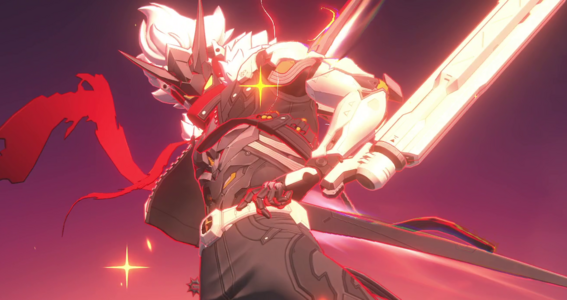
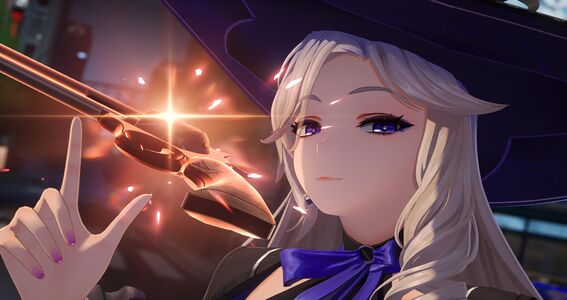
Just as importantly, the game translates JoJo's distinctive character designs into 3D remarkably well. The bold silhouettes, dramatic poses, and over-the-top fashion all survive the jump from 2D artwork to in-game models with very few compromises, making the roster feel authentic whether characters appear in dialogue scenes or in battle. The game does occasionally lack the visual punch to make combat feel as dramatic as its models suggest, with some attacks and interactions failing to sell their impact despite the quality of the effects themselves.
The audio presentation is equally strong. The voice acting is excellent across the board, with performances that carry much of the personality and humor of the original characters. The soundtrack also deserves credit; several tracks stood out enough that I found myself pausing for a moment just to listen rather than immediately rushing to the next objective.

There are a couple of technical blemishes, however. Some narration-focused story scenes are oddly muted, making the otherwise strong voice presentation feel inconsistent. Duplicate pulls can also cause their accompanying audio to overlap with one another, resulting in some noticeably messy sound.
Golden Spirit's presentation succeeds because its strongest elements work together. The character models faithfully translate JoJo's distinctive designs, the mix of 2D and 3D presentation keeps the story visually engaging, and the voice acting and soundtrack give the game plenty of personality. Its combat may lack some of the visual punch needed to make every attack feel impactful, while a few audio inconsistencies keep the presentation from being flawless, but there is little doubt that this is one of the game's greatest strengths.
Spending Tendency
The gacha initially appears fairly forgiving. Featured character banners offer a 60-pull guarantee, while the Novice banner provides a starting SSR alongside a selected Ability, giving new players a reasonable way to establish their roster. The ticket structure is a little more fragmented than necessary, with separate tickets for Standard Character, Standard Ability, and Featured pulls once the finite Novice tickets are exhausted, but that is more of an inconvenience than a serious concern. The more important issue becomes apparent once duplicates enter the equation.
Characters are heavily tied to duplicate investment. The initial copy provides a character's starting kit, but additional copies are needed to increase their star rating and unlock more of their skills, with full progression requiring 11 copies in total. Their associated Abilities have a separate progression of their own, but these upgrades directly improve the skills unlocked through the character's star progression. At full investment, a character has every skill unlocked and upgraded to Level 3. The 60-pull guarantee is certainly useful for securing a character, but it feels considerably less generous when a single copy represents only the beginning of their progression.
This system also creates an unusual tension between expanding the roster and investing in characters already owned. A heavily invested lower-rarity character can potentially outperform a newly obtained SSR simply because the former has received substantially more duplicate investment. My own Gwess, for example, became one of my strongest damage dealers after repeated pulls fully developed her character and Ability, outperforming several SSRs that had received far less investment. That makes the gacha's duplicate requirements more consequential than a simple stat increase; players who want to get the most out of a character have to weigh the appeal of adding someone new against making an existing favorite substantially stronger.
The store itself is considerably less intrusive than the gacha's investment requirements might suggest. Special Packs can appear after milestones, while Daily Offers and bundle packs provide additional gacha tickets, upgrade materials, and character shards, and the current battle pass includes an SSR character among its rewards.
None of these offers constantly obstruct progression, but they do provide clear ways to accelerate the same character-building systems that already encourage duplicate investment. Golden Spirit remains perfectly playable without spending, but the road to fully developing characters is considerably steeper than simply pulling them once, making its otherwise approachable free-to-play experience come with a significant investment caveat.
Is JoJo's Bizarre Adventure: Golden Spirit Worth It?
Rough Around the Crazy Diamond
Golden Spirit ultimately surprised me by being more enjoyable than its conventional autobattler foundation initially suggested. Its preparation-focused combat gives team building and character development enough purpose to make the automated battles worthwhile, while its excellent presentation captures the personality of JoJo's Bizarre Adventure remarkably well.
That makes Golden Spirit an easy recommendation for JoJo fans who want to revisit the story in a new format, even if newcomers may find its condensed storytelling and assumption of prior knowledge harder to follow. The bigger caveat is its gacha, where fully developing characters demands a substantial investment beyond simply obtaining them. For all its rough edges, Golden Spirit remains a solid and enjoyable take on a familiar mobile RPG formula.
Game8 Reviews