



Agent 64: Spies Never Die is an arcade FPS inspired by retro N64 shooters. It follows secret agent John Walter as he embarks on a mission to save the world. Read our review to see what it did well, what it didn't do well, and if it's worth buying.
Overview
What is Agent 64: Spies Never Die?
Agent 64: Spies Never Die is an arcade FPS inspired by the retro shooters of the N64 era. It features a 14-mission campaign chronicling the daring adventures of the dashing and debonair secret agent John Walter as he attempts to foil the evil plans of his arch-nemesis, Dominic Pulp. Suited up and licensed to kill, players can embark on missions to save the world solo or with up to a four-member spy ring via local or online split-screen co-op.
Outside Story Mode, additional features can be unlocked by completing tiered Challenges with preset conditions or participating in local or online Arena matches with fully customizable lobbies. Players can create their own maps by choosing from various teams, weapons, rules, mods, and three different modes: Deathmatch, Briefcase, and Zone.
Agent 64: Spies Never Die features:
⚫︎ Gameplay Heavily Inspired By 90s Shooters
⚫︎ A Timeless Spy Story
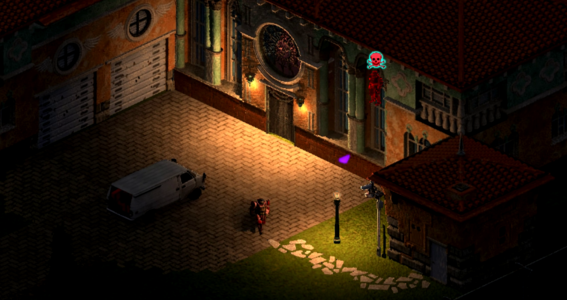
⚫︎ Modernized Low-Poly Characters and Environments
⚫︎ Contemporary FPS Mechanics With Classic N64 Graphics
⚫︎ Fully Customizable Multiplayer Arenas
⚫︎ Split-Screen Local or Online Multiplayer Modes
⚫︎ Spy-Themed Original Soundtrack
⚫︎ Japanese, English, and French Language Support
| Digital Storefronts | ||
|---|---|---|
 Steam Steam |
||
| $21.64 |
Agent 64: Spies Never Die Review: A Spiritual Successor That Refuses to Surpass The Original
Gun and Ball Gamers Might Be Onto Something
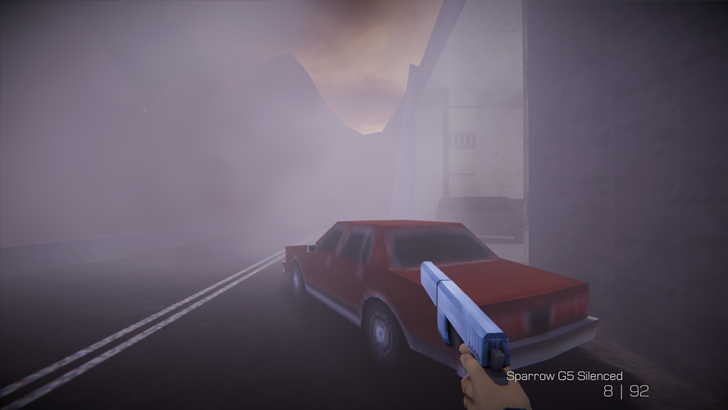
Gun and ball gamers get a lot of heat for sticking with the same two genres their entire life, but their extreme loyalty might not be unfounded. Some of the earliest video games ever created, after all, were about a bouncing ball (Bouncing Ball) and shooting ships in space (Spacewar!). Aside from being genuinely fun, gun and ball games have marked almost every pivotal moment in video game history.
In the 90s, Nintendo’s decisive win in the console war against Sega was thanks in large part to blockbuster N64 console exclusives. The top gun games among these exclusives were Rare’s action FPS titles, GoldenEye 007 and Perfect Dark, which sold over 8 million and 2 million units, respectively. Today, kids who played these FPS games have grown into adults who still play FPS games or, in the case of solo developer Replicant D6, adults who now have the skills and means to modernize their favorite childhood games.
Replicant D6 knows the shooter genre by heart and has created a worthy spiritual successor to GoldenEye 007 and Perfect Dark. Agent 64: Spies Never Die takes all the best parts of classic spy stories, modern FPS gameplay, and nostalgic low-poly shooters, blends them all up in Unity, and serves up a thrilling, nearly polished experience. In an impressive debut, Replicant D6 simultaneously fixes N64 FPS mechanics that have aged like milk, adds a campy coat of shine to the blocky graphics of the time, and crafts a genuinely challenging but rewarding experience for all ages.
A Classic Spy Story
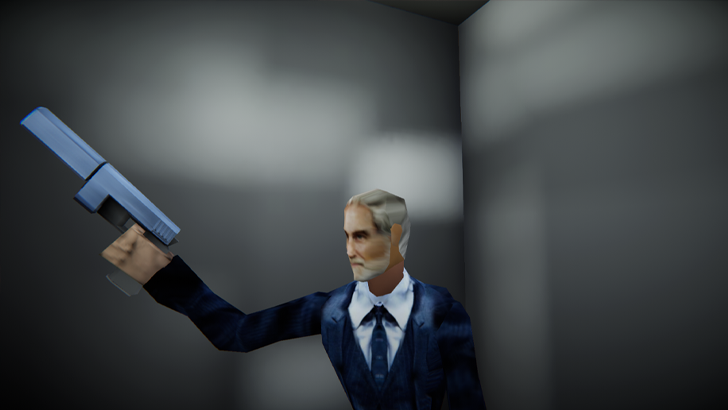
You play as the debonair secret agent John Walter as he embarks on a 14-mission campaign to foil the world domination scheme of his arch-nemesis, Dominic Pulp. Along the way, he uncovers a global conspiracy and hidden truths about his own family. He infiltrates, escapes, commits acts of sabotage, and exacts righteous revenge on evildoers. The game stuffs every beloved spy trope and predictable plot twist there is into fourteen chapters. And you know what? It’s absolute cinema.
The game hits its story beats perfectly. Well-placed cliffhangers kept me curious about how the game would end (as in, which typical spy movie ending the game would go with) and encouraged me to keep playing. John Walter facing an ambush at the end of a chapter made me want to see if he managed to escape or not. The unveiling of new secrets about John’s past and Dominic Pulp’s plot made me want to know the fate of the characters and the world.
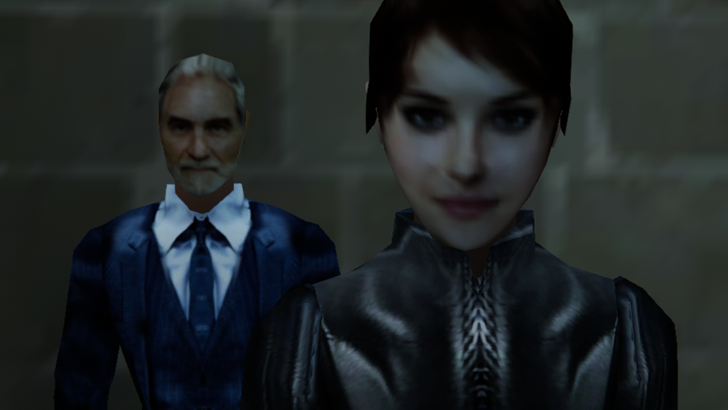
Each level takes place in some form of a villain’s lair and allows you to do something James Bond would. At a penthouse, you get to commit sabotage. From the dungeons of a castle, you can attempt a prison break. Perform reconnaissance at a museum, shoot your way out of a henchman-infested nightclub, and even navigate a labyrinthine temple.
The plot flows at a perfect pace, with a steady supply of classic spy genre tropes. It’s nothing new or original, but it’s executed exceedingly well, as only someone who has deep knowledge and a true love of spy fiction can.
Run, Shoot, Hide, Loot, Happily Repeat
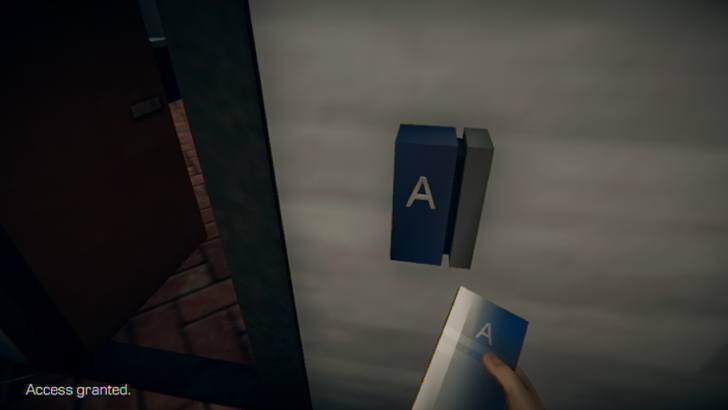
Gameplay is simple. You run, shoot, hide, loot, and unlock doors with keys from one end of the map to another. The controls and mechanics are easy to get the hang of, but the masterful implementation of the simple systems underlying player interactions with enemies and environments is what makes gameplay so robust. Replicant D6 made all the right choices in modernizing N64 shooters.
That enemies scale in difficulty instead of just quantity is one of the biggest features that contribute to the game’s solid gameplay loop. The higher the difficulty, the smarter and faster enemies are; the more missions there are to do; the more areas there are to explore; and, most importantly, the more rewards you get.
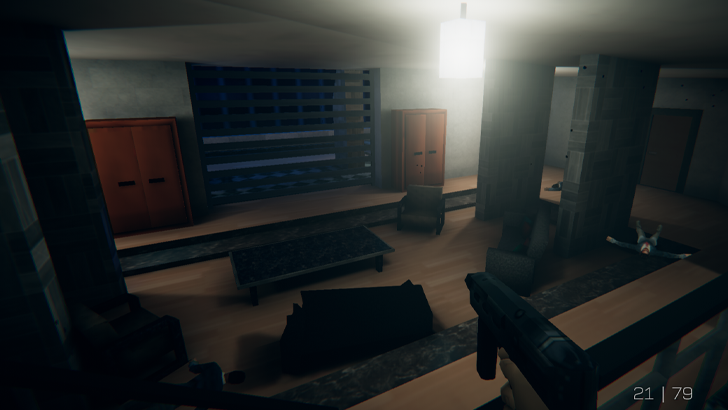
Trying to beat each location at different difficulties, I felt the same way I did back when I first started playing Hades. With each run, perhaps deliriously, I felt like I was getting better. After one go at a level, I knew when and where to expect enemies on my next run. I knew that if I played at a greater difficulty, they’d be harder to kill and dodge. Being able to prepare myself encouraged me to approach the same areas over and over again and made repeating levels enjoyable.
Stealth or Strength Matters
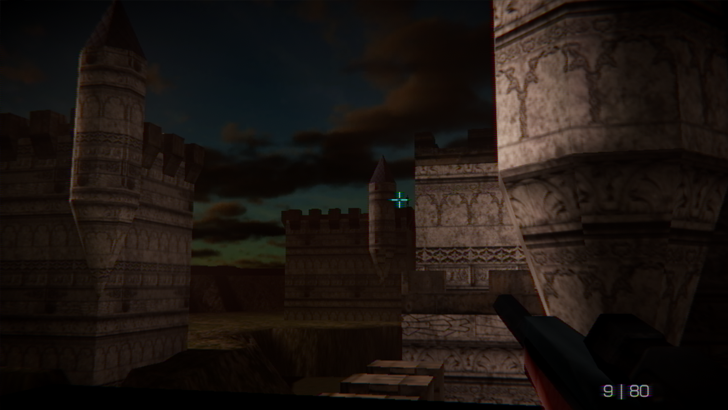
Enemy behavior changes in response to player actions, which builds on the challenge posed by their increased strength and bullet speed in higher levels. Enemy response is sophisticated enough that it really does matter whether you use stealth or strength.
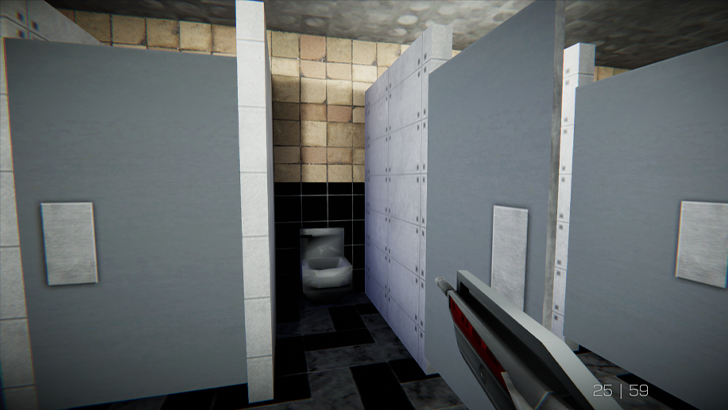
Your choice of weapons cleverly supplements this mechanic, with enemies less likely to detect a gun with a silencer and more likely to react to a shotgun. One time, I went in guns blazing in an area that I usually approach with stealth, and a henchman I usually kill in a bathroom reacted to the racket I made and ran to hide in a nearby bedroom.
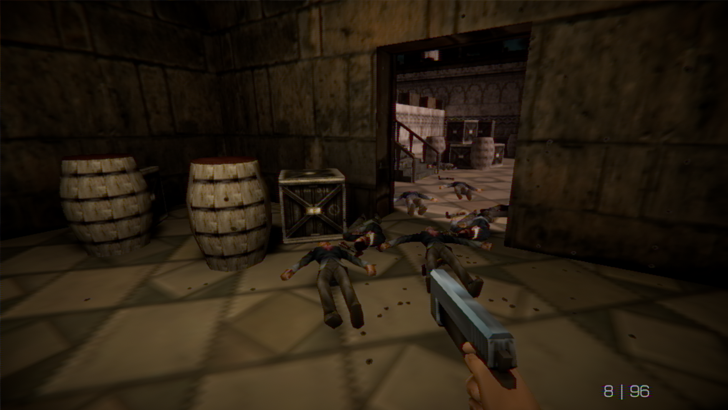
If I can’t snipe everyone in sight, I’m the type of player who picks the strongest gun and runs my way through a horde, hoping for the best. But Agent 64 forces you to think. I found myself smartly matching my gun to the situation. I equipped a machine gun when I knew enemies were about to swarm me, a gun with a silencer when I needed to be sneaky, and a shotgun when I knew high-level enemies were waiting for me, usually when I had to steal something precious.
With well-structured maps and fair loot drops, you’re encouraged to think before you act. You get enough bullets but never too many. You get enough hiding spots, but enemies are smart and can find you. Your survival entirely depends on your own strategy, making the game a genuine challenge that is satisfying to beat.
Fragging 101
This game attempts to mix old formulas and new mechanics, and for the most part, it succeeds. However, some deliberately nostalgic gameplay elements felt out of place with how modernized the rest of the gameplay was.
Insufficient onboarding, for one, left me feeling more like a green rookie than a seasoned silverfox spy. I had to go into the pause menu to figure out some controls, but the menu only had an editable list of keybindings. This didn’t help me because I was using a controller (for the full N64 experience and because the game features controller support.)
The vague start and end point of the tutorial left me wondering if the game had a healing system for longer than I should have. Randomly picking up additional armor gave off the impression that there would be other ways to mitigate HP loss. However, I was five missions and a few deaths in when I figured that there was no way to heal. This was one of the very few moments when the game felt unfair; I wasn’t able to be as alert as I needed to be because I wasn’t informed about the game’s mechanics as quickly as I should have been.
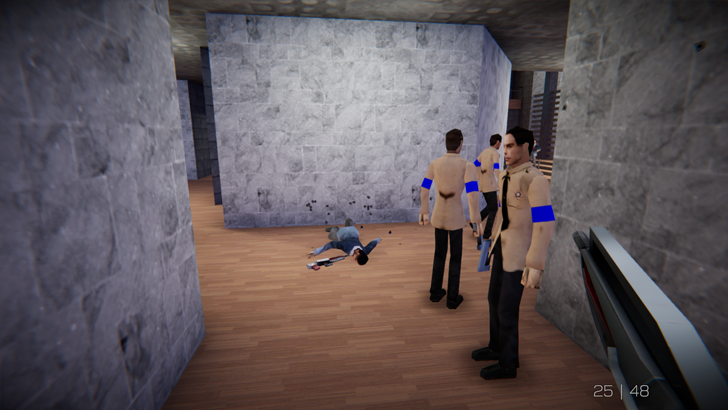
Another lacking feature that significantly impacts gameplay is the absence of in-game descriptions for the three game modes available for Challenges and the Arena: Deathmatch, Briefcase, and Zone Mode. While these may be typical jargon for FPS lovers, those who are unfamiliar with the genre will enter these modes with no idea what to do. Mode descriptions are available on the game’s Steam page, which makes it even more confusing that they can’t be found anywhere in-game.
Some deliberately antiquated mechanics ended up making gameplay immersive and pleasantly nostalgic. The absence of modern hit indicators and minimaps forced me to use the sound of doors opening and shutting and glass breaking to keep myself aware of enemy movement. (I always did an extra sweep of every area, making me feel like a spy right before he talked into his receiver to say, “The coast is clear.”) However, this great design is oddly and severely impeded by a simple lack of enemy footstep sound effects.
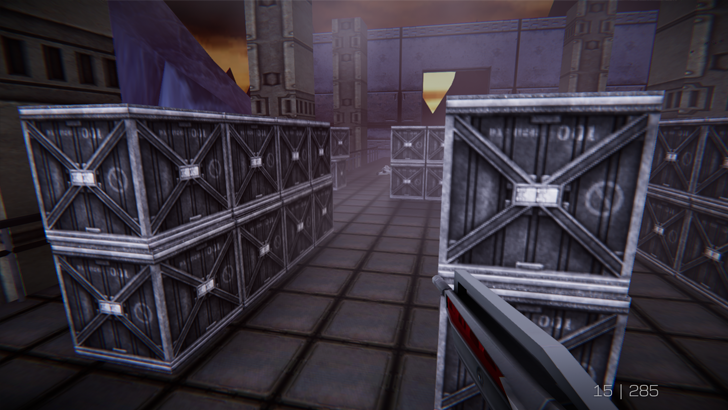
Agent 64 successfully modernizes classic FPS gameplay by fixing everything wrong with old shooter mechanics: aiming is better, enemies are smarter, and frame rates are higher. But it also incorporates old setbacks that don’t blend well with the gameplay updates it has implemented and could even impair player comfort: no dynamic movement, a lacking tutorial, and a severe lack of accessibility options.
Running at only one speed is charming because it’s reminiscent of old video games, and the set speed is balanced well against enemy speed and available hiding places, but the inability to crouch, jump, or properly strafe feels out of place with traversal and combat mechanics that otherwise seamlessly blend well.
I even liked the absence of checkpoints and save states, because they played a big part in the authenticity of the game’s nostalgia. However, the fact that I didn’t have enough accessibility options to effectively mitigate vision issues made long play sessions uncomfortable. In this way, the game is in an awkward limbo; some mechanics are expertly modern in practice but nostalgic in feel, while others are adapted faithfully to a fault.
The Spy Who Gave Me Vertigo
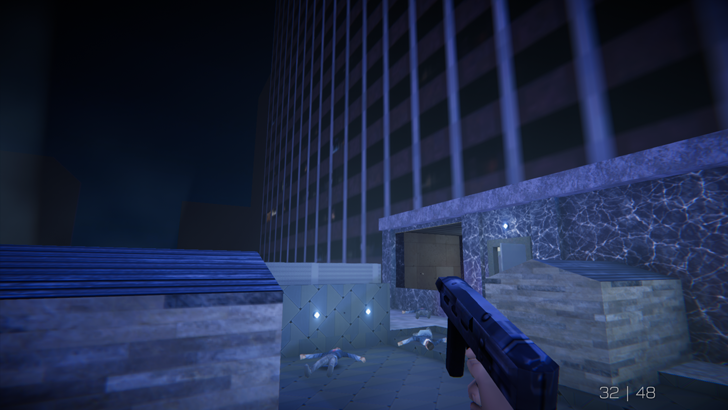
The game unfortunately lacks sufficient accessibility options for the visually impaired. This is the first FPS I’ve ever played that triggered my vertigo. And that’s saying something, because I have over a thousand hours logged on Cyberpunk 2077. No matter the setting adjustments I tried, playing Agent 64 for more than two hours always left me mildly nauseous.
Instead of a slider, there are only two field-of-view options: yes or no. There is no optional center-of-screen dot overlay or fixed central crosshair for me to anchor my vision on. The fixed crosshair you can earn via challenges still moves around and does nothing to mitigate motion sickness. There are no color inversion options and only minimal contrast adjustments available.
Aside from the visually impaired, now-adult players from the N64 era, with more inner-ear wear and tear than when they were kids, could face the same discomfort I did and have no fix. The rapid advancement of gaming technology since the 90s has allowed for massive strides in video gaming accessibility. Agent 64’s lack of accessibility options strangely contradicts its primary goal of modernizing old systems.
Very Real Stakes, Very Generous Rewards
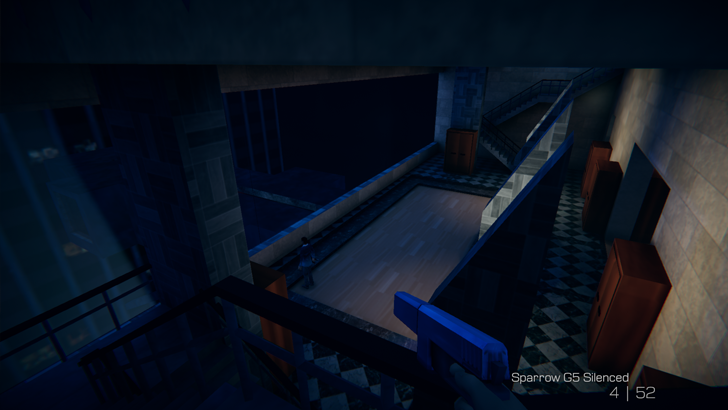
Still, this game genuinely had my heart racing. Just like a kid, while John hid behind a wall on my screen, I was craning my neck as if that would help me see where my enemies were. I was constantly looking over my shoulder and spinning around to see if anyone was coming at me, because melee damage from enemies is substantial.
Dying means restarting the entire level, and the maps are sizable, so the stakes are very real. However, the game’s clever design keeps it from being frustrating. Easy mode serves to familiarize players with the map and doesn’t pose much of a challenge. Enemies die with a few bullets, are not aggressive, and have an abysmal hit rate.
The only things that make levels harder are tougher enemies and more objectives. Enemies will be right where you expect them to be, and you’ll always have the ammo and tools you need if you use them wisely. You can prepare and plan, so losses feel fair. I never felt like rage quitting; I always just wanted to try again and play better.
Mastering the Paradox
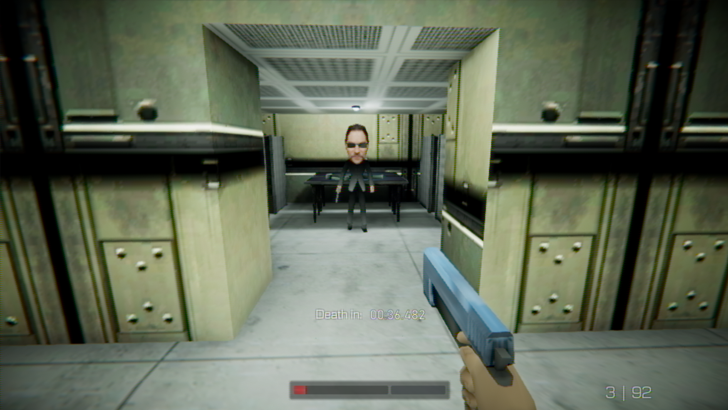
By beating par times for missions and challenges, you can unlock over 70 mods and cheats, such as Big Heads, slow bullet speed, one-hit kill, and more. These Paradox conditions can be turned on for remixed Story Mode missions or used as additional modifiers for custom Arena lobbies, allowing endless ways to remix gameplay.
Not only does Paradox Mode extend Agent 64’s replayability into infinity, but it’s also the backbone of the game’s excellent reward system. Par times can seem downright impossible to beat, but I wanted to unlock more paradox conditions so badly that, instead of giving up, I called in a friend to help me. This took me back to when I was a kid lugging my PlayStation 1 (sorry, N64) over to my friend’s house so I’d have someone to play games with. While it’s fully enjoyable as a single-player game, Agent 64 inflicts nostalgia not just with its sights and sounds, but also with the cooperative gaming style that its design encourages.
The More The Merrier
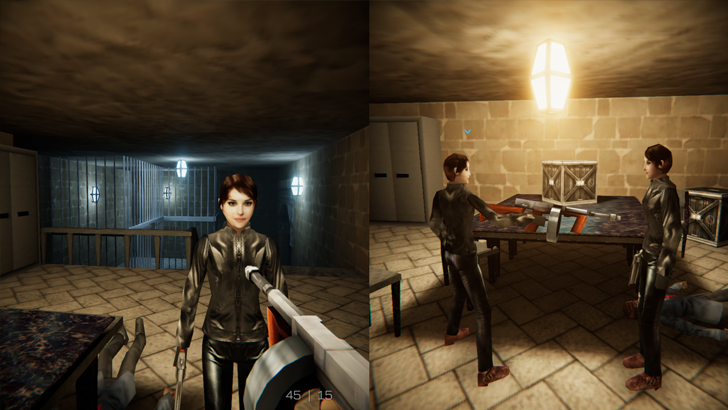
Agent 64 offers online public lobbies that anyone can create, customize, and join, with optional voice chat. There aren’t a lot of public lobbies available yet, probably because the game just came out. At most, I saw six lobbies on offer at once, but the majority were occupied. Luckily, I was able to join two different lobbies holding Deathmatches after waiting for only a few minutes.
Online multiplayer matches are quick and fun. No one used voice chat in the games that I joined, but there was still a cozy and intimate quality to these online public matches, perhaps because there aren’t a lot of people playing this mode yet. Agent 64’s online mode has a lot of potential but requires more players to thrive.
Mission Possible
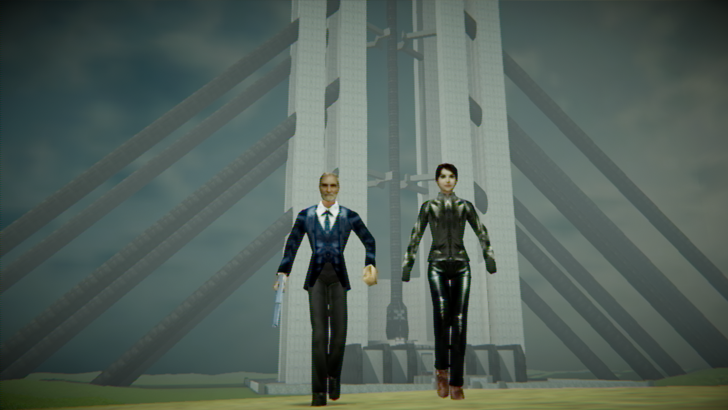
Agent 64 is a stunning debut, especially for a solo developer. It is one of the most earnest and well-done adaptations of 90s media I’ve seen since adapting 90s media became a trend. Most importantly, it delivers on all of its promises: a fresh experience for the unfamiliar, a familiar experience for the nostalgic, and a clever modernization of a beloved formula.
That said, there's still room for improvement. This modernization can be taken a step further with more accessibility settings and polishing a few aspects of gameplay. Either way, Replicant D6 must be commended for the skill and sincerity he has exhibited in bringing 20th-century classics to 21st-century systems.
Is Agent 64: Spies Never Die Worth It?
Dr. Yes
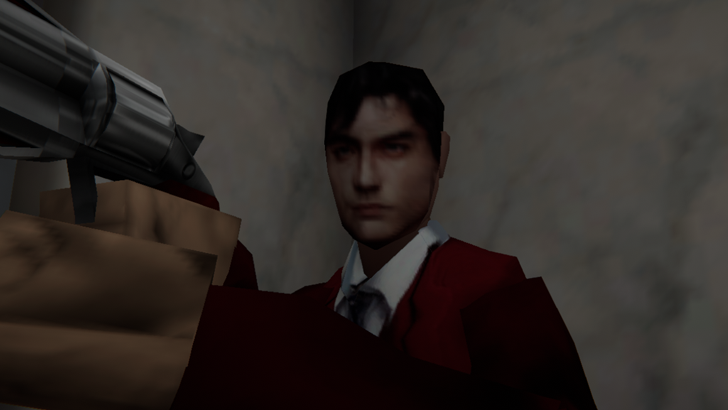
Yes. Time machines don’t exist (yet), so this game is the next best way to get back to the 90s. Not only does Agent 64 tell a universally enjoyable spy story, but it also offers infinite replayability beyond Story Mode, whether alone or with a group. If you think you can handle a FPS with limited accessibility options, then I absolutely recommend this game to you. Honestly, knowing that I could get physically sick from playing it didn’t really deter me from playing it.
This game is an absolute steal for lovers of the shooter genre or anyone looking for quick multiplayer fragging fun at the very specific price of $21.64—a clever nod to the N64 games it was inspired by that American gamers will appreciate.
FAQ
How long does it take to beat Agent 64: Spies Never Die?
Story Mode will take about four to six hours to beat, depending on skill level and familiarity with FPS systems. Story Mode missions can be played at three different levels. Outside Story Mode, the game features solo or multiplayer Challenges, an Arena mode, and online lobbies.
Does it feel like GoldenEye 007?
Yes. The game is authentically reminiscent of classic shooters like GoldenEye 007.
Is there a solo campaign?
Yes. There is a 14-mission solo campaign.
Is there multiplayer?
Yes. All game modes are playable solo or with up to 4 players for Story Mode and 8 players for Arena via local or online multiplayer.
Game8 Reviews













NICE!